




Eller Earthwors
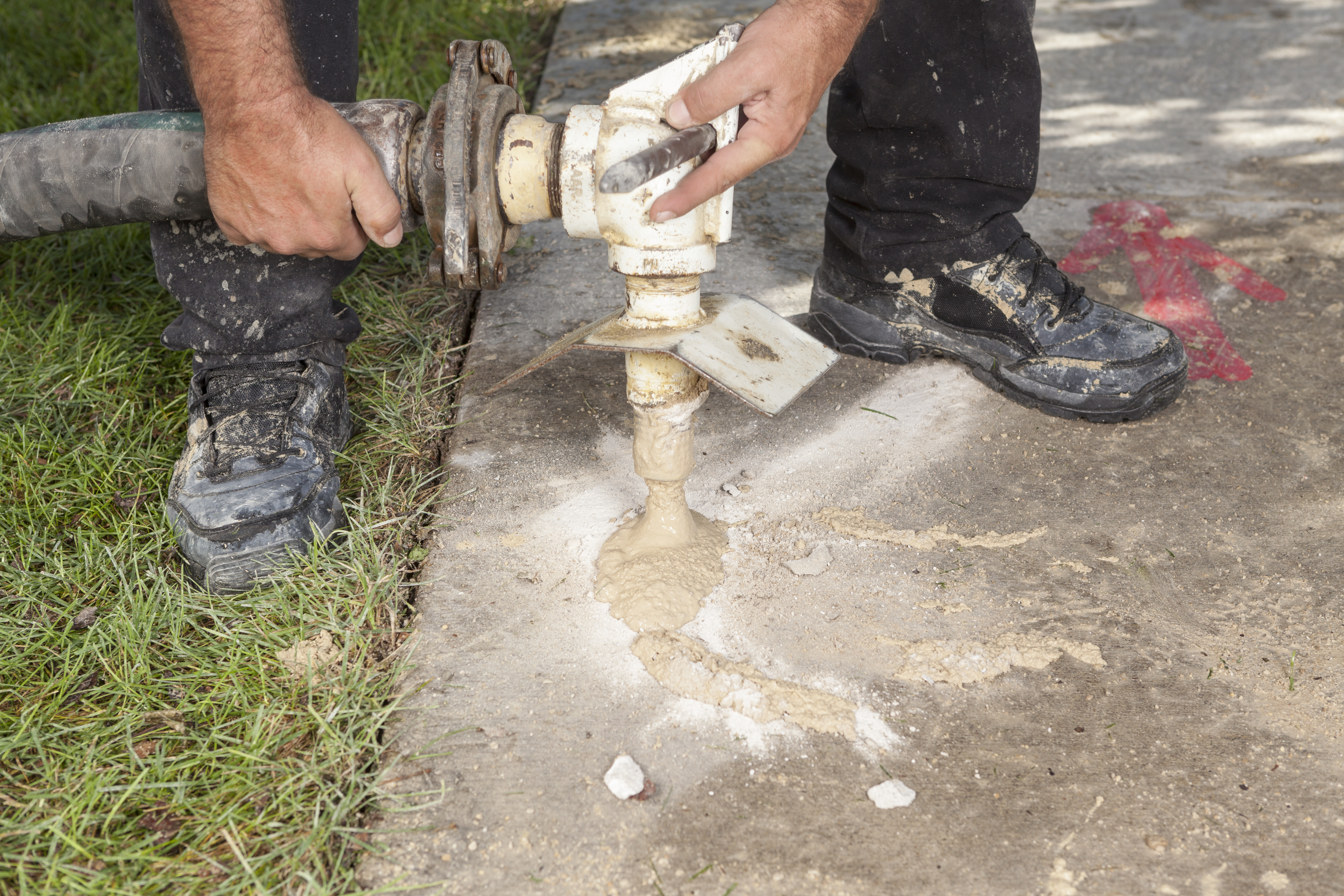
Concrete - Injection Leveling - Mudjacking
Serving Council, ID and surrounding areas
*The Angi rating for Concrete Leveling companies in Council, ID is a rating based on verified reviews from our community of homeowners who have used these pros to meet their Concrete Leveling needs.
*The HomeAdvisor rating for Concrete Leveling companies in Council, ID is a rating based on verified reviews from our community of homeowners who have used these pros to meet their Concrete Leveling needs.
Last update on May 22, 2025
Serving Council, ID and surrounding areas
Serving Council, ID and surrounding areas
In business since 2010
Free estimates
Credit card accepted
Quality is our goal! We are a locally owned and operated company that values honesty and integrity, and we stand behind our work. We specialize In Concrete - Injection Leveling - Mud-jacking & Raising & Spray Foam Insulation, offering top of the line experience and material. Our services are customized to the individual project, paying close attention to the details of each project that we are involved with. We look forward to building long-term relationships with our clients and guarantee your satisfaction!
From average costs to expert advice, get all the answers you need to get your job done.
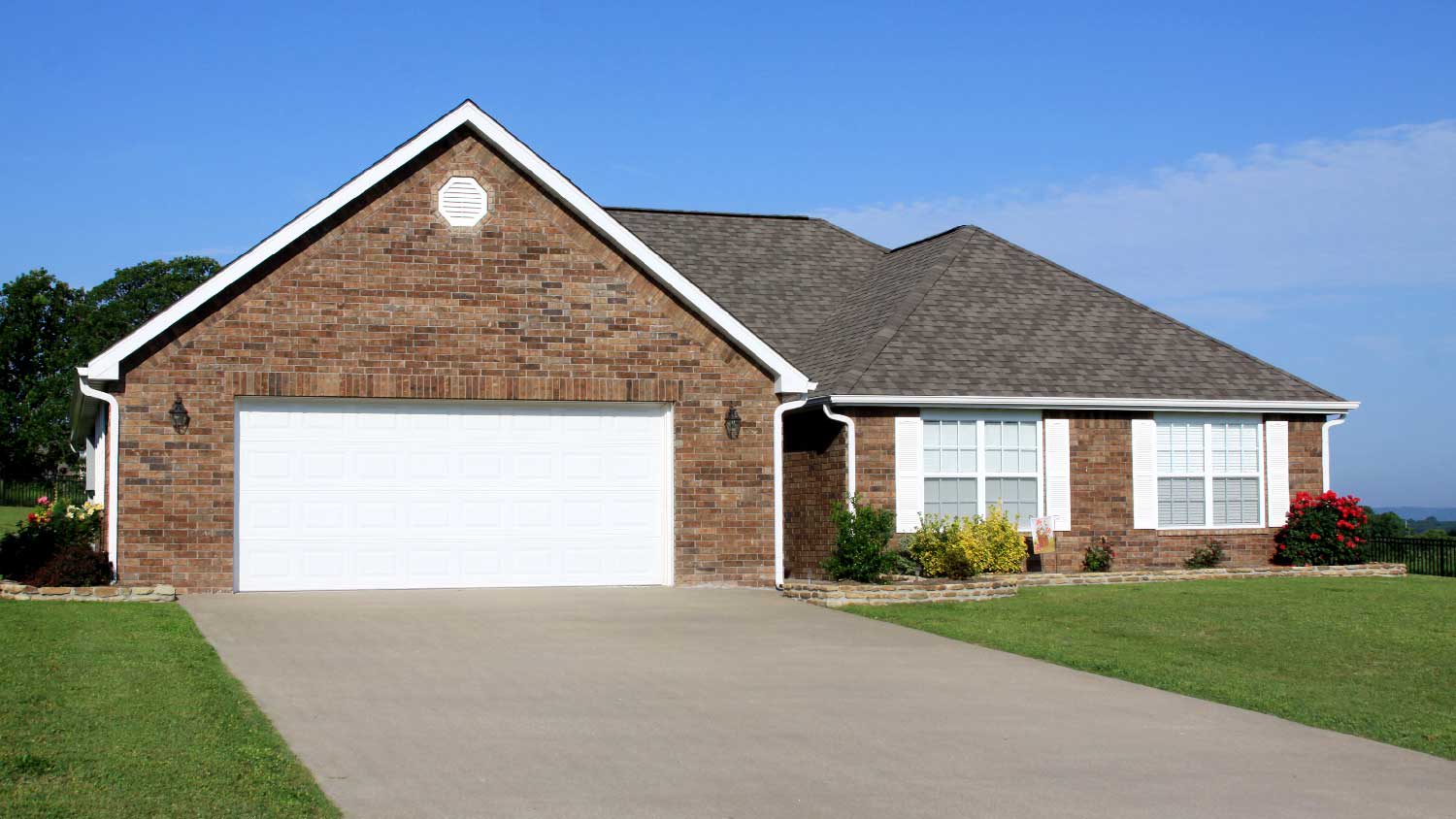
Don’t let sinking concrete capsize your budget. Learn about concrete leveling costs and the available methods to plan ahead for your project.
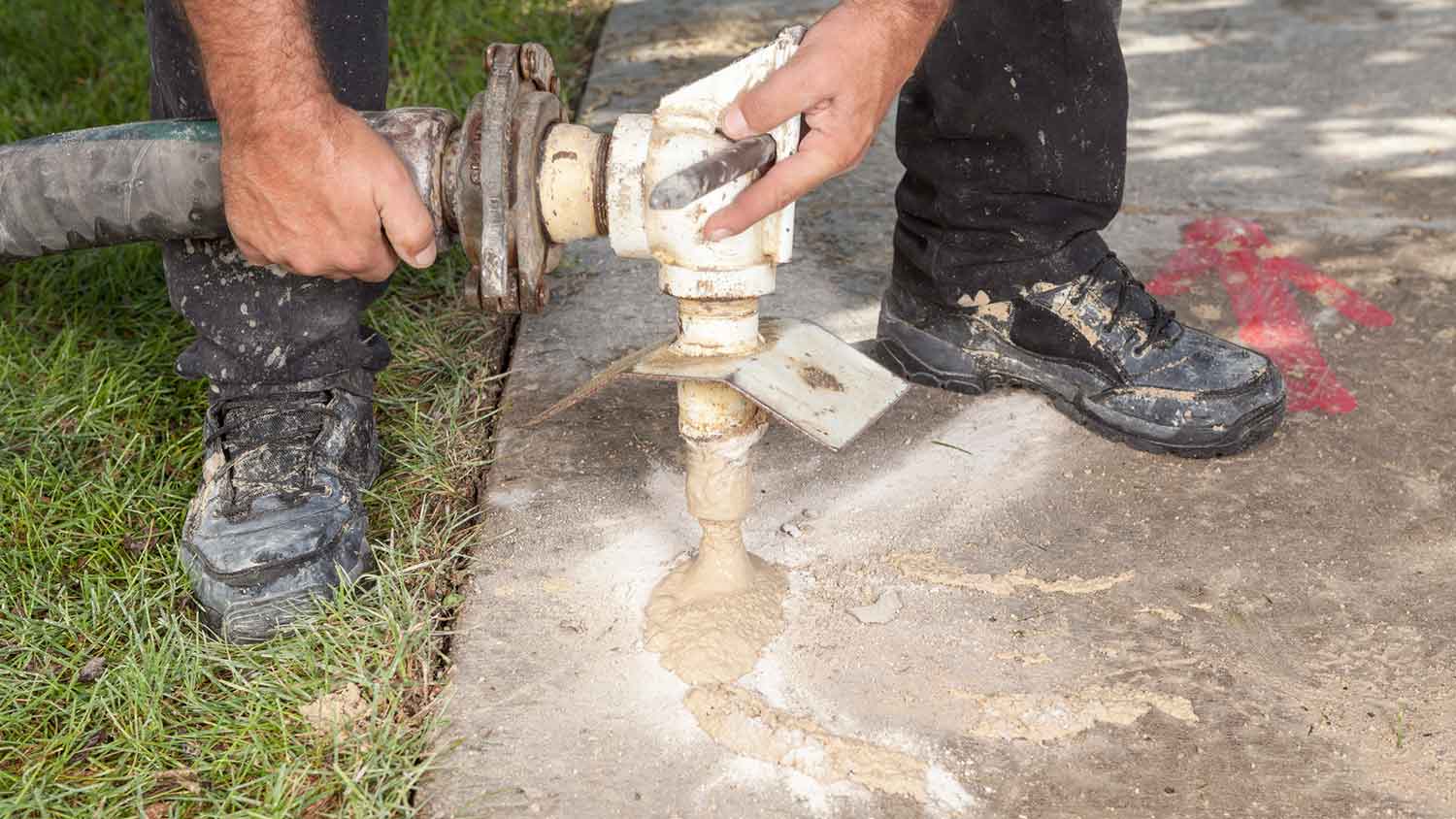
Wondering about mudjacking costs? Discover prices, key cost factors, and tips to save on your concrete leveling project.

Sunken concrete slabs can quickly get expensive to raise back up. Learn about polyurethane concrete lifting costs to see how you should budget.
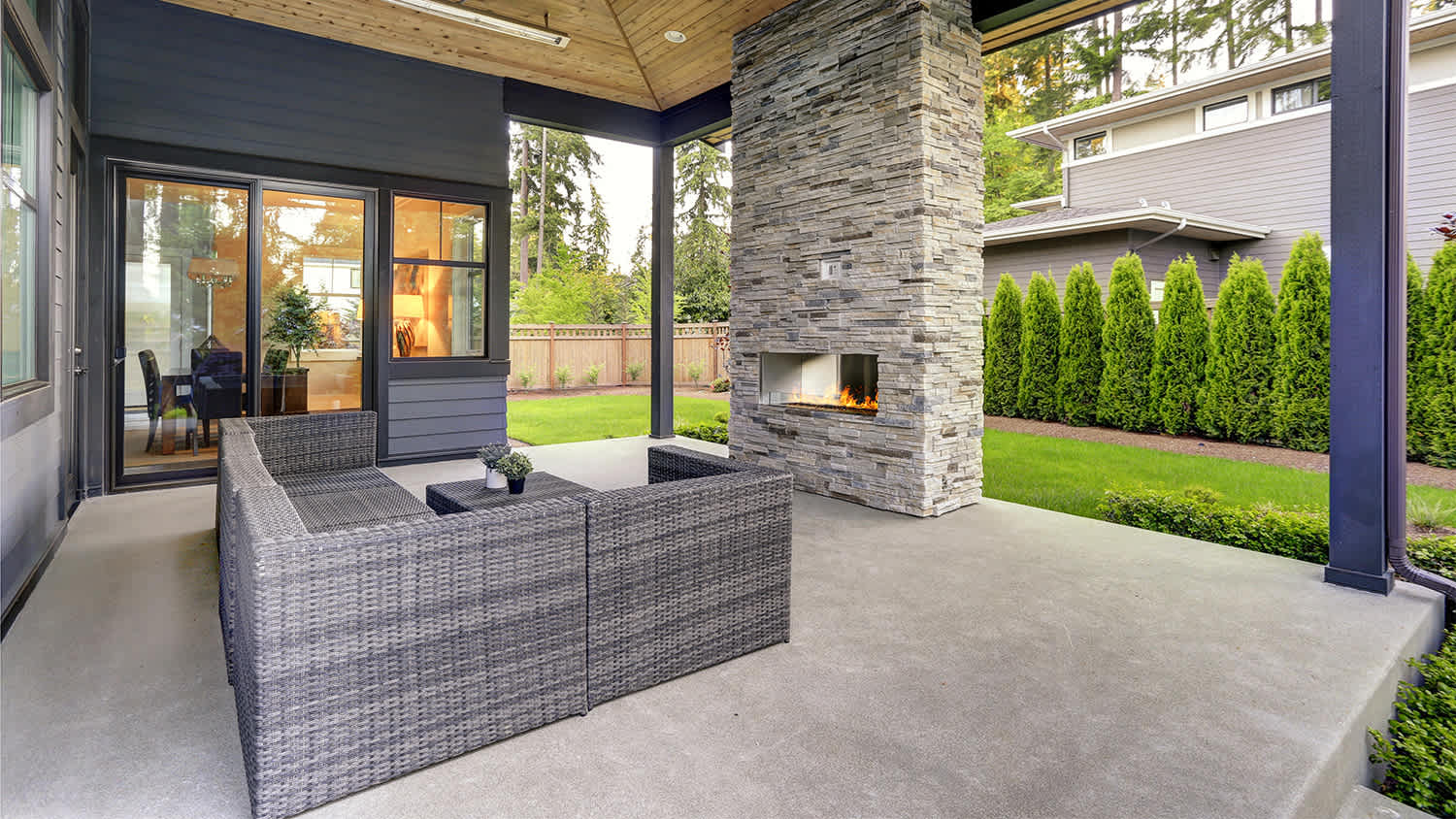
Learn about concrete leveling and how it can fix uneven surfaces, from sunken sidewalks to uneven driveways, and boost your home’s safety and curb appeal.
Are sunken slabs creating a tripping hazard? Learn about concrete leveling or mudjacking costs, warning signs, and how to hire the right local pro.
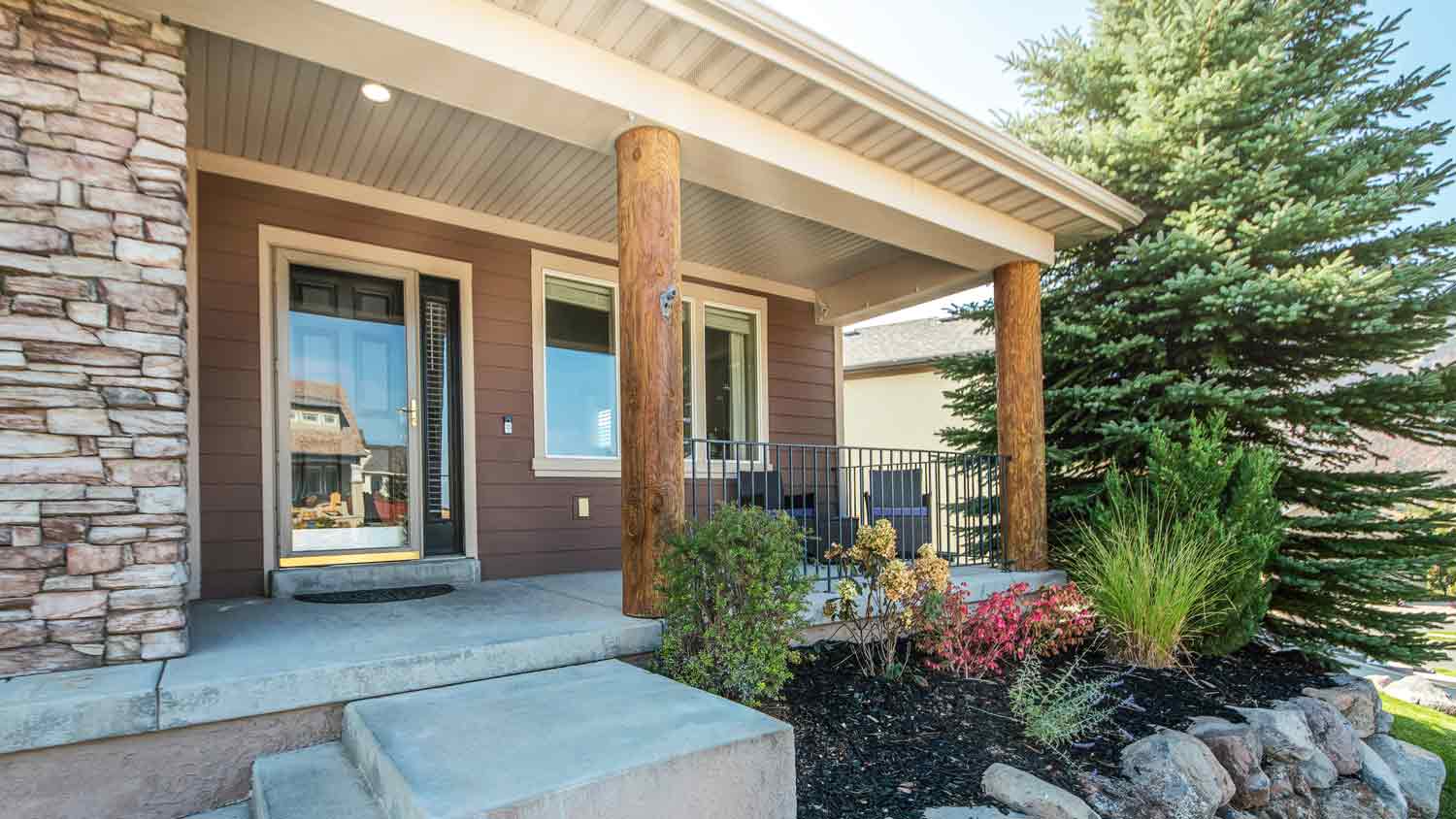
Leveling concrete slabs around your home is no small feat. Learn who to call to level your concrete slab and why they’re the right choice.