







Leafco
Lawn Care - Maintain and Mow a Lawn
Serving Council, ID and surrounding areas
Approved
In business since 1999
Free estimates
Credit card accepted
"Prompt service. Easy online billing."
Response time1 day
Recommended by100%of homeowners

*The Angi rating for Landscaping companies in Council, ID is a rating based on verified reviews from our community of homeowners who have used these pros to meet their Landscaping needs.
*The HomeAdvisor rating for Landscaping companies in Council, ID is a rating based on verified reviews from our community of homeowners who have used these pros to meet their Landscaping needs.
Last update on May 22, 2025
Serving Council, ID and surrounding areas
Approved
In business since 1999
Free estimates
Credit card accepted
"Prompt service. Easy online billing."

Serving Council, ID and surrounding areas
Approved
We do odd jobs
Serving Council, ID and surrounding areas
In business since 2010
Free estimates
Emergency services offered
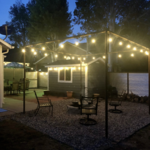
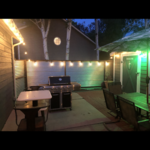
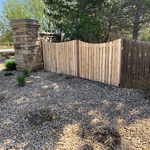
"Kenny and his crew did a excellent job installing 180 feet of new cedar fence on my property. They were very professional, arrived exactly when they said they would and performed the job in a timely and thorough fashion. If you want hard working professionals installing your fence for a fair price, I definitely recommend New Frontier Fence."
+18
Serving Council, ID and surrounding areas
In business since 2018
Free estimates
"We appreciate your hard work on our pool project Austin."

Serving Council, ID and surrounding areas
In business since 2014
Free estimates
Credit card accepted
"They do an awesome job and are reasonably priced and quick. -Dale M."
Serving Council, ID and surrounding areas
In business since 2024
Free estimates
"We hired Paradise Landworks to do the excavation for our home that we were building. As a first time homebuilder, I had a lot of questions and was unsure about some phases of the project. However, Jesse was very knowledgeable and helpful. He helped get our project going and did a great job with the excavation. It made the concrete work a lot simpler with a perfectly smooth and level base to work off of and he did a great job with our backfill. He went the extra mile to remove the abundant number of rocks we have on our property. I would highly recommend and will be using them again in the future."
Serving Council, ID and surrounding areas
In business since 2022
Emergency services offered
"I would highly recommend him for any job. He was very professional and friendly. He got the job done quickly and very proficient ."

Serving Council, ID and surrounding areas
In business since 2023
Free estimates
Warranties offered
"Jesse did quick efficient & cost effective work on our pool electrician panel & timer. Would highly recommend."
Serving Council, ID and surrounding areas
In business since 2012
Free estimates
Credit card accepted
"Great job, I lost my job"
Serving Council, ID and surrounding areas
In business since 2014
Free estimates
"Only one of the four contractors that responded with a written bid. Showed up on time and complete the job."
From average costs to expert advice, get all the answers you need to get your job done.

A landscape designer can elevate your outdoor space and bring your vision to life. Use this landscape design cost guide to budget for your next project.
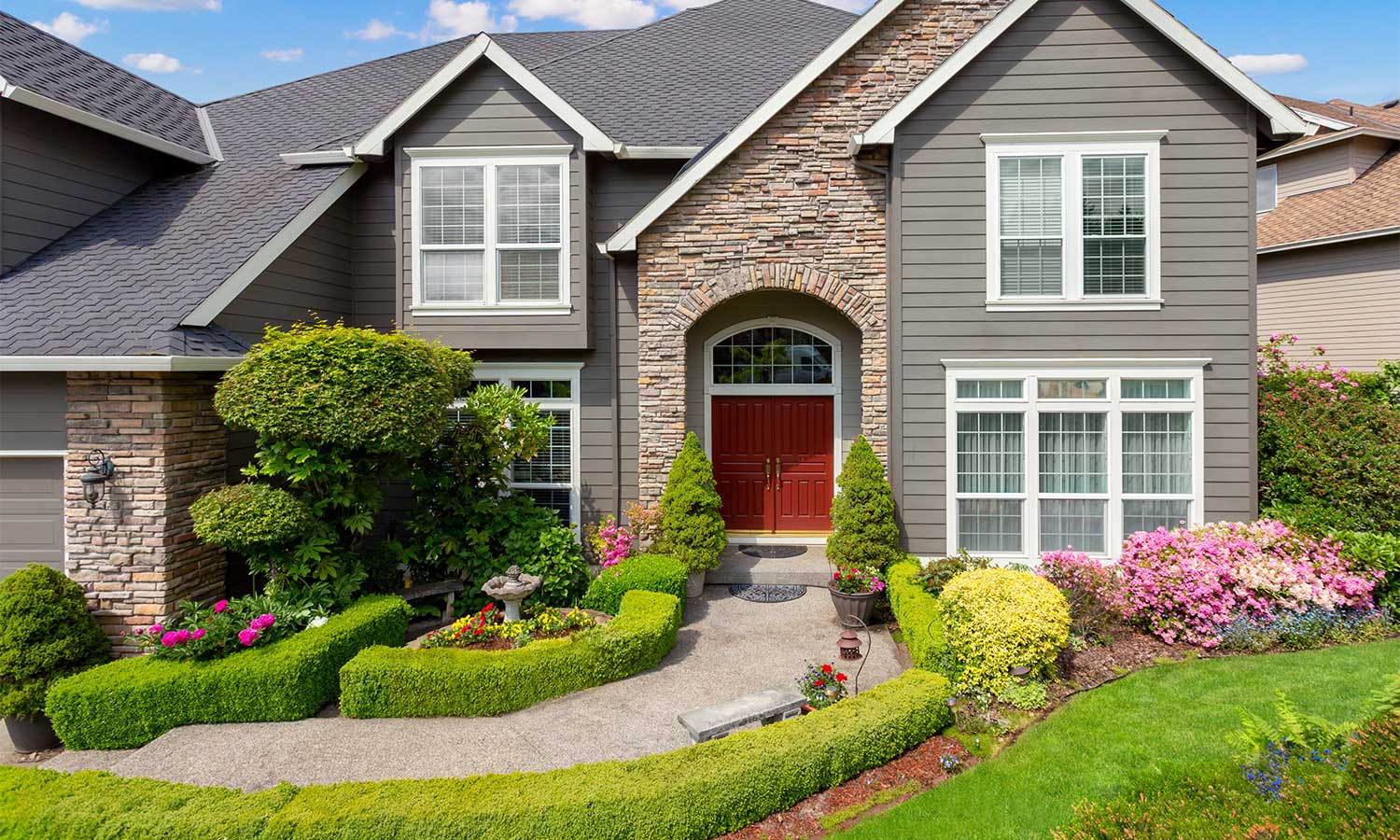
Landscaping your yard adds curb appeal and expands your home’s living space into the outdoors. Learn how much landscaping costs for various projects.
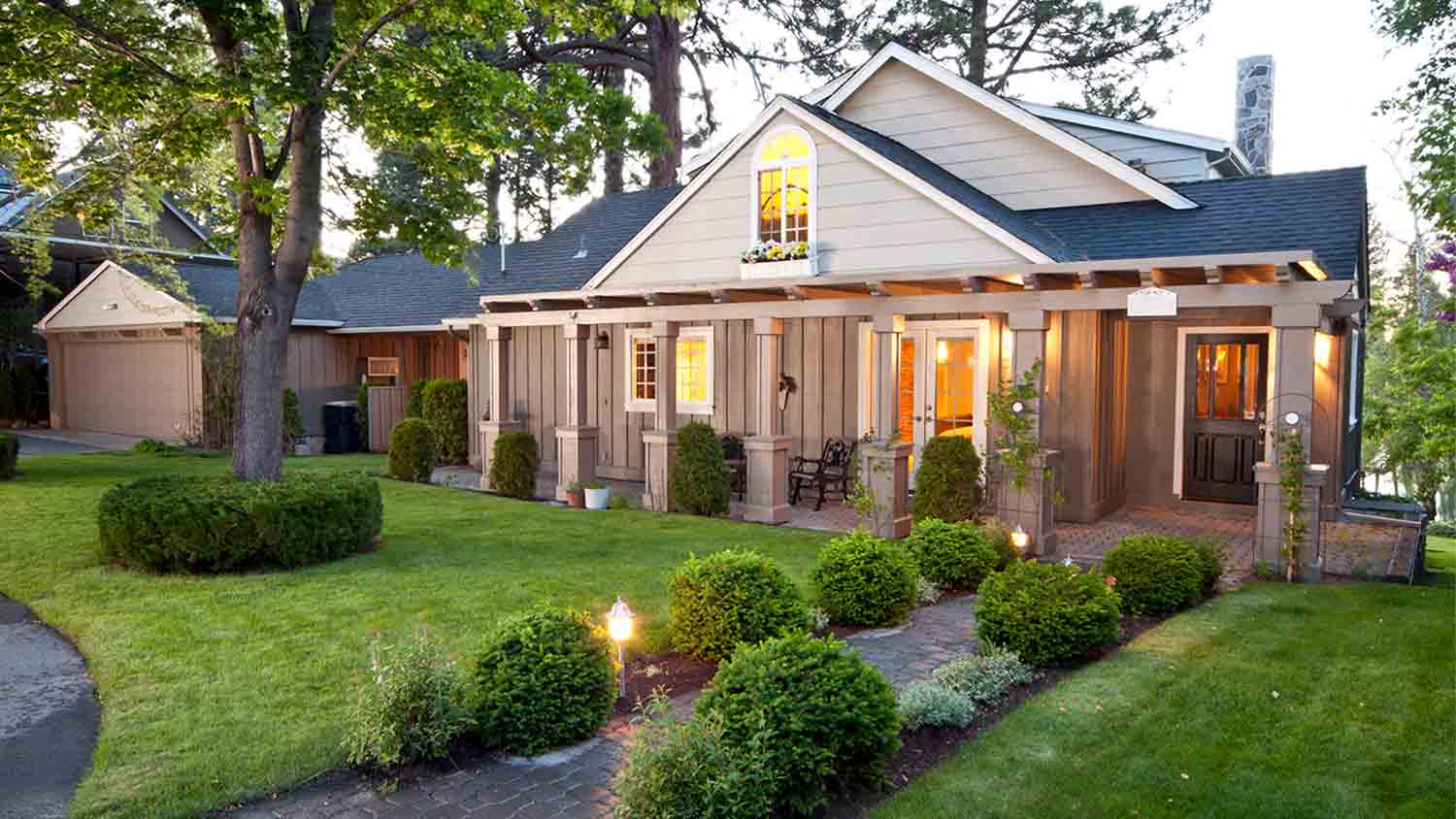
Discover the cost to install landscape lighting. Learn about average prices, key cost factors, and ways to save on your outdoor lighting project.

A good landscaping website can help you land more sales and build your credibility. Read our list of must-have pages and ideas for your website to help potential clients find you and drive more business for your lawn care company.
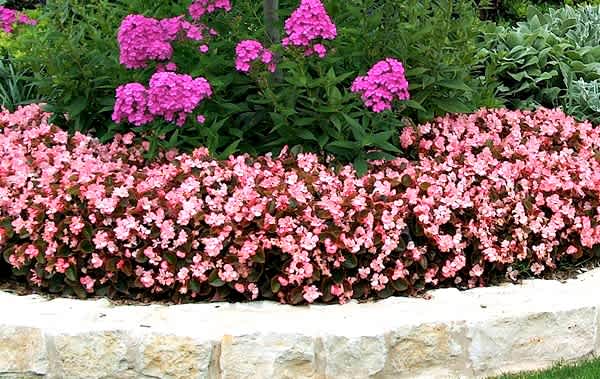
Landscaping costs can quickly get out of hand. Here’s what you can expect to tackle with a $5,000 landscaping budget to revamp your home’s exterior.
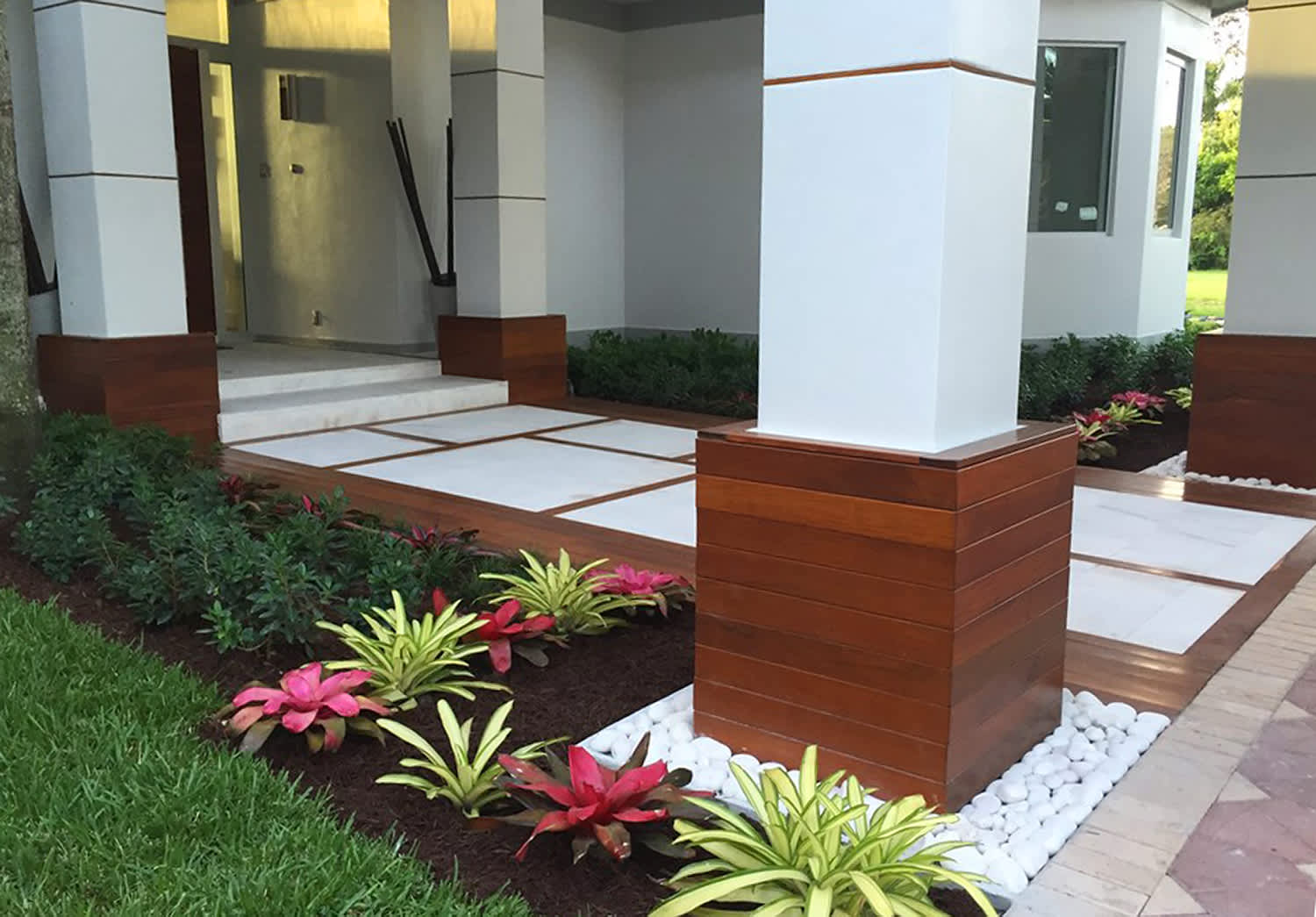
Is it time for a landscape glow-up? Check out these 47 landscaping ideas that show off your one-of-a-kind lawn and gardening style.