





Top-rated arborists.

Get matched with top arborists in Greene, IA

Enter your zip and get matched with up to 5 pros

Need a pro for your arboricultural service project in Greene, IA?

Select your specific project to find the pro for you.

TRUSTED BY GREENE, IA HOMEOWNERS

  • Average homeowner rating star icon4.9
    Average homeowner rating
  • Verified reviews icon21
    Verified arboricultural services reviews

Find Arborists in Greene

Avatar for SSPI Solutions
SSPI Solutions
4.8(
21
)
Tree RemovalTree Stump - Remove

Serving Greene, IA and surrounding areas

In business since 2003

Free estimates

Credit card accepted

"Andy and his crew were awesome. Andy came on Monday and have me a quote that was very fair. I came home from work on Tuesday and my tree was down and cut up. Would highly recommend them for your job."
Tree Service Projects
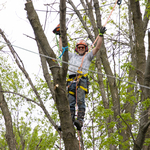
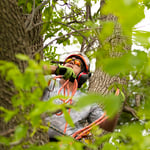
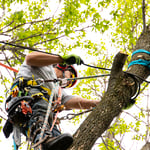
Climber
Tree Service Projects

+3

Response time3 days
Recommended by95%of homeowners
Showing 1-10 of 22
Arborists questions, answered by experts

The average tree pruning should take one hour with the right equipment. Light pruning of a small tree may only take around 15 to 20 minutes. Pruning multiple large trees in your yard will probably take several hours, including cleanup. However, tree pruning pros can do this job much faster, so you can rely on pros if you’re short on time.

You should avoid cutting off the top of mature cherry trees. This process is called tree topping, and it’s not recommended for cherry trees—or any trees, for that matter. Tree topping removes between one-third to half of the length of the tree trunk, resulting in structurally unsound, fruitless suckers. The only exception is for saplings. Young pie, sour, and tart cherry trees that are over 30 inches tall in the fall or winter before the tree blooms can benefit from heading cuts.

Ideally, you’ll have a good enough relationship with your neighbors that you can kindly mention this task in regular conversation. However, every neighbor (and neighborhood) is different. Your best bet will always be to ask directly and nicely, offering to contribute to the tree trimming efforts if you’d like. However, if you are bothered by the tree and your neighbor is unwilling to cut it, you can involve the help of the homeowners’ association or local authorities, if applicable.

You may be looking to identify maple trees to use for home improvement projects. In that case, you can tell hard maples by looking at their leaves. Leaves will have a U-shaped dip, or sinus, between the points, or lobes, of the leaves. Leaves of soft maples tend to have V-shaped sinuses.

If you already have the cut wood in front of you, look for a light, uniform color to identify hard maple wood and check for variations of red, gray, or brown streaks and an overall darker color in soft maple wood.

Palm trees are unique in that their roots don't grow straight down; they grow horizontally. Typically, palm tree roots go down between 12 and 36 inches deep. The roots grow far and wide from the base of the palm tree to absorb as much water and soil nutrients as possible. In addition, the horizontal roots are also very strong—keeping palm trees stable and helping them sway during storms.

The Greene, IA homeowners’ guide to arboricultural services

From average costs to expert advice, get all the answers you need to get your job done.