



Skyline Tree Service
Tree RemovalTree Removal - For Business
Serving Ionia, IA and surrounding areas
Approved
In business since 2001
Free estimates
Emergency services offered
"Good, fair work at a good price!"
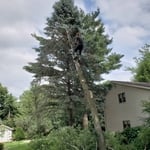
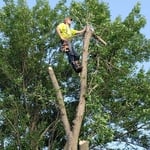
+1
Recommended by100%of homeowners
 4.9
 25
*The Angi rating for Arboricultural Service companies in Ionia, IA is a rating based on verified reviews from our community of homeowners who have used these pros to meet their Arboricultural Service needs.
*The HomeAdvisor rating for Arboricultural Service companies in Ionia, IA is a rating based on verified reviews from our community of homeowners who have used these pros to meet their Arboricultural Service needs.
Last update on August 10, 2026
Serving Ionia, IA and surrounding areas
Approved
In business since 2001
Free estimates
Emergency services offered
"Good, fair work at a good price!"
+1
Serving Ionia, IA and surrounding areas
Approved
Working outside mowing lawns cutting down trees for 20+ years.. My speciality is hand wedding and quickly cleaning up over growths! I have great people by myside who work with me and who are licensed and affordable, for airating, seeing, windows, roofs, fences, snow removal and more. Team work makes dreams work!
Serving Ionia, IA and surrounding areas
Approved
M&L Transport LLC provides professional and reliable junk removal services in Iowa. We specialize in furniture removal, appliance removal, garage cleanouts, and hauling unwanted items. With our 26-foot box truck, we offer fast, safe, and affordable service. Customer satisfaction is our priority.
Serving Ionia, IA and surrounding areas
In business since 2023
Free estimates
Emergency services offered
"He did an amazing job on a huge and difficult tree to remove. After the removal he also cleaned everything up very nicely and was super respectful of my neighbor whose child needed to go the bed early."
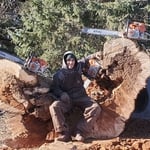
Serving Ionia, IA and surrounding areas
In business since 2010
Free estimates
Emergency services offered
"TOOK DOWN A HEAVY WOODEN FENCE AROUND OUR PROPERTY. FAST, EFFICIENT, CLEAN, ORGANIZED! VERY FRIENDLY! WILL USE THIS COMPANY AGAIN!"
Serving Ionia, IA and surrounding areas
In business since 2003
Free estimates
Credit card accepted
"Andy came over on Friday and when he saw the job, told me that he could do it right then. He cut down the tree and removed the roots on the spot. What excellent service."
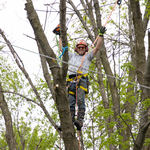
+3
Serving Ionia, IA and surrounding areas
In business since 2024
Free estimates
Offers commercial services
"Totally recommend Precision Tree Service!They show up on time and do a great job!"
Serving Ionia, IA and surrounding areas
In business since 2016
Free estimates
Emergency services offered
"they did a good ,quick tree removal job"
Serving Ionia, IA and surrounding areas
In business since 2016
Free estimates
Credit card accepted
"Fast, friendly, very considerate and hard working. Everything was done as said in a timely manner."
Serving Ionia, IA and surrounding areas
In business since 2019
Free estimates
Offers commercial services
"If you're interested in getting someone to take care of your lawn you should use them."
From average costs to expert advice, get all the answers you need to get your job done.

How much does an arborist cost? This guide explains the cost of different services, ongoing expenses, and other factors to consider when hiring an arborist.

Discover the average tree maintenance cost, key price factors, and tips to save. Get expert insights to plan your tree care budget with confidence.

Tree inspections can ensure your trees stay healthy and safe, preventing costly damage. Learn how much tree inspections cost and what can affect the price.

What is an arborist and do they cut down trees? Learn what an arborist is, the services they offer, and when to hire one.

Arborists are specialized tree care experts. This guide will help you hire an arborist with all the qualifications to give your trees the best care possible.

The upkeep and care for your trees should sometimes be left to a professional. Learn all the reasons why so you know when to call an arborist.