

Top-rated arborists.

Get matched with top arborists in Nashua, IA

Enter your zip and get matched with up to 5 pros

Need a pro for your arboricultural service project in Nashua, IA?

Select your specific project to find the pro for you.

TRUSTED BY NASHUA, IA HOMEOWNERS

  • Average homeowner rating star icon4.9
    Average homeowner rating
  • Verified reviews icon27
    Verified arboricultural services reviews

Find Arborists in Nashua

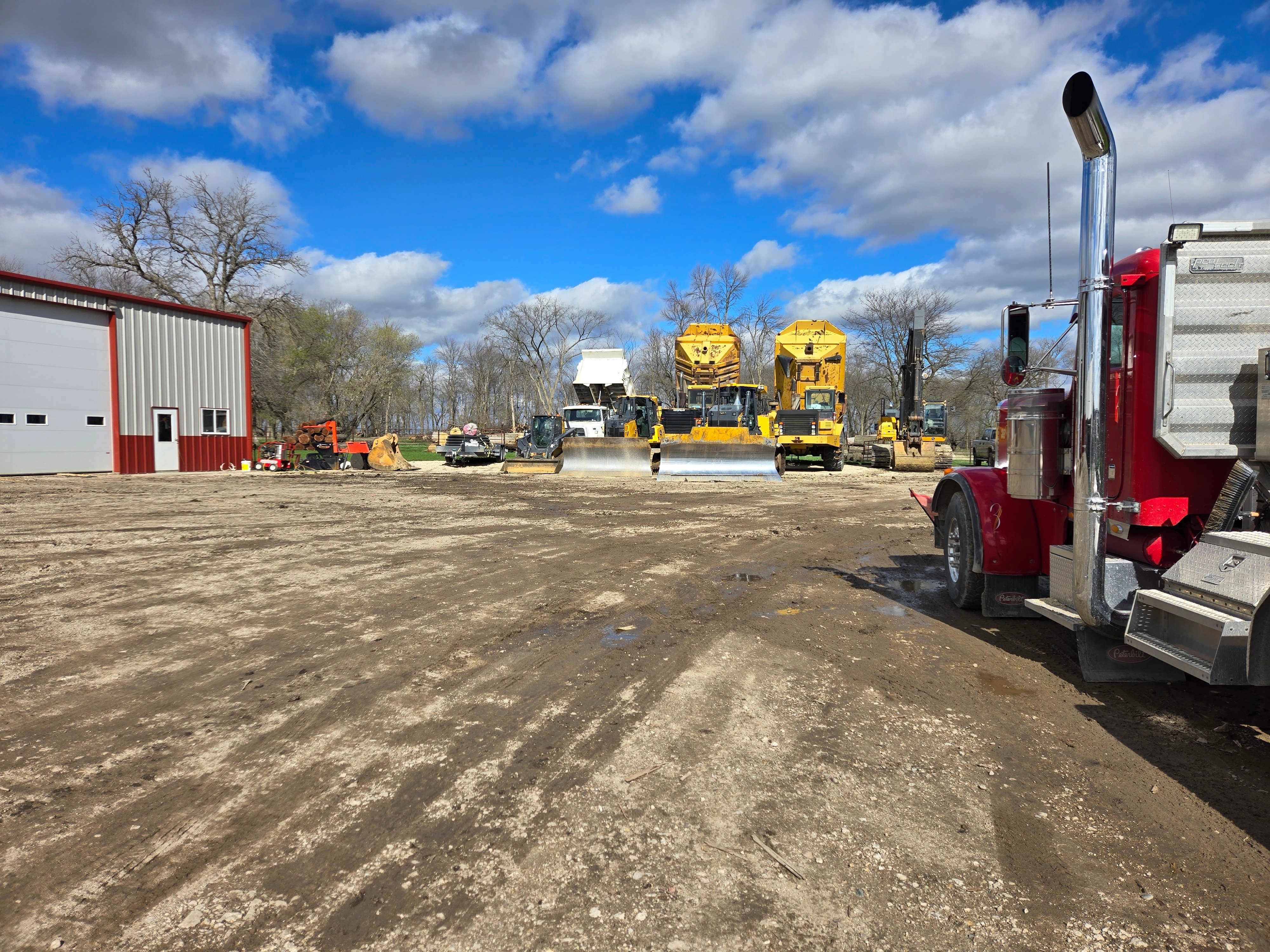
North Iowa Tree Service
5.0(
8
)
Tree RemovalTree Removal - For BusinessTree Stump - Remove+2 more

Serving Nashua, IA and surrounding areas

In business since 2023

Free estimates

Emergency services offered

"Mike responded promptly to a request for an estimate about removal of 2-3 trees and stump removal. His estimate was extremely reasonable and completed the job within the timeframe he quoted me. He did a very nice job and left the areas clean and leveled. I would highly recommend their service."
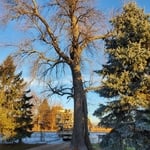
BEFORE
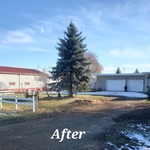
AFTER
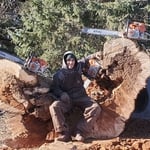
ON THE GROUND!!
Response time5 hrs
Recommended by75%of homeowners
C & S Tree Services
4.5(
1
)
Tree TrimmingTree Trimming - For BusinessTrees & Shrubs - Treat, Protect and Maintain+1 more

Serving Nashua, IA and surrounding areas

In business since 2016

Free estimates

Welcome to C & S Tree Service! We take pride in the quality of work and customer satisfaction that we give each and every customer! We are known to pay exquisite attention to detail while making customer satisfaction our top priority. Call us today to learn more about how we can help you! \n \n

Recommended by100%of homeowners
Showing 1-10 of 24
Arborists questions, answered by experts

A pro can guide you on the alternatives to tree topping depending on the specific issues within your trees. For example, if you’re dealing with breakage and cracks in your tree, they may suggest canopy reduction, which removes less than 25% of the tree’s limbs. If you’re dealing with lesser damage, some intentional pruning may be all you need. If you’re looking to get a clearer view through your tree, the pro may also try windowing or skirting your tree.

Removing tree stumps is a dangerous and complex job that requires a high level of expertise. Many landscapers specialize in general lawn care and maintenance. But, some may have the proper licensing and qualifications needed to safely remove tree stumps. In most cases, though, landscapers will refer you to a local tree removal or stump grinding company.

While trees can grow in the curb strip between the sidewalk and the street, this placement often poses the problem of interfering with overhead power lines. It’s best to consult your local utility provider and tree planting service before transplanting a tree that might grow into power lines. Also, you should never work within 20 feet of a live power line to avoid the risk of electric shock. Tree branches should never touch nearby power lines, so it’s essential to ensure your tree isn’t in danger of growing too close to them.

The fastest ways to remove a tree stump are by grinding it or burning it.

Stump grinding is often the quickest method, with professionals able to chip away a stump and its roots within a single session. You have the option to hire a professional stump removal service or rent a stump grinder to do it yourself. However, it's important to note that these machines can be large, difficult to transport, and dangerous to operate without prior experience. For safety reasons, hiring a local arborist or landscape specialist is often recommended.

Burning is another fast option. Before you begin, check your local burn laws. The process involves drilling holes into the stump, filling them with vegetable oil, and waiting 24 to 48 hours. Afterward, you can add charcoal bricks to the surface and light the fire, which must be attended at all times.

For a more affordable but much slower alternative, you can use potassium nitrate pellets to accelerate the natural decomposition process. This method typically takes four to six months.

Yes, it’s okay to trim low branches on a tree, also known as limbing up or raising the crown. Essentially, you’ll trim the lower third of the tree (trunk) and leave the upper two-thirds of the tree (crown). Arborists recommend trimming 20% of a tree’s leaves per season for two to three seasons. Trimming low branches allows light to flow through the tree, increasing circulation and making the tree stronger and healthier.

The Nashua, IA homeowners’ guide to arboricultural services

From average costs to expert advice, get all the answers you need to get your job done.