






"I just pay $75 you never know who's going to come out. They do everything electrical. Just about everything is covered except the septic tank. I had an air conditioner replaced. It went great, all I had to do was pay for the freon. He didn't charge e more than what was needed."
We take great pride in our experience, expertise, quality, and customer service that we provide to meet the consumer?s needs. It is our mission to provide excellent workmanship and complete customer satisfaction from start to completion of a project. In order to understand the needs and expectations of our customers, we take great care to work and communicate with every customer in a professional manner. Our reputation is based on service, safety, and quality, regardless of how large or small the job.
The easiest thing you can do to prolong the life of your septic system is to adopt septic-safe practices. This includes not flushing non-biodegradable items, chemicals, or excessive grease down drains and scheduling regular septic tank pumping to prevent buildup. It’s also important to fix plumbing leaks promptly and to practice water conservation to avoid overloading the system. To maintain your drain field, avoid heavy vehicle traffic and plant shallow-rooted vegetation in the area. Most importantly, invest in routine inspections and maintenance to detect and address issues early.
The main difference between a mound septic system and a conventional one is that the drain field in a mound system is built up into a mound composed of sand and gravel to increase the filtration time the wastewater sees before it is returned to the aquifer. There’s also a significant cost difference, with mound systems typically costing far more than standard septic systems.
Call a dedicated well and pump professional to install your new well pump. In some cases, plumbers may have the experience needed for the installation, but it’s always better to go with a specialized pro. Well and pump contractors have hundreds of hours of experience with all different types of wells and pumps.
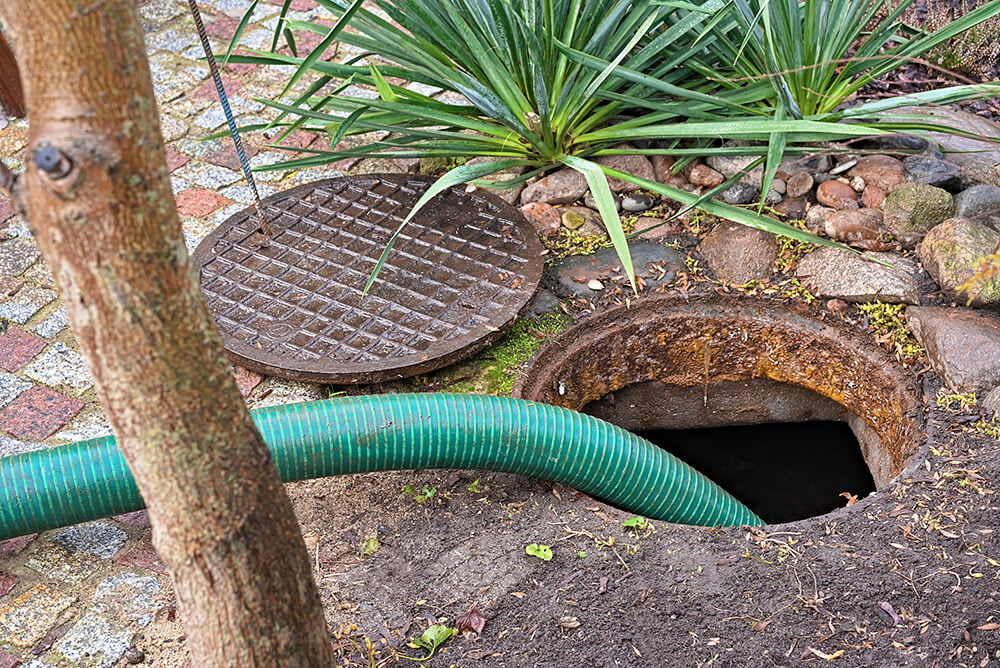
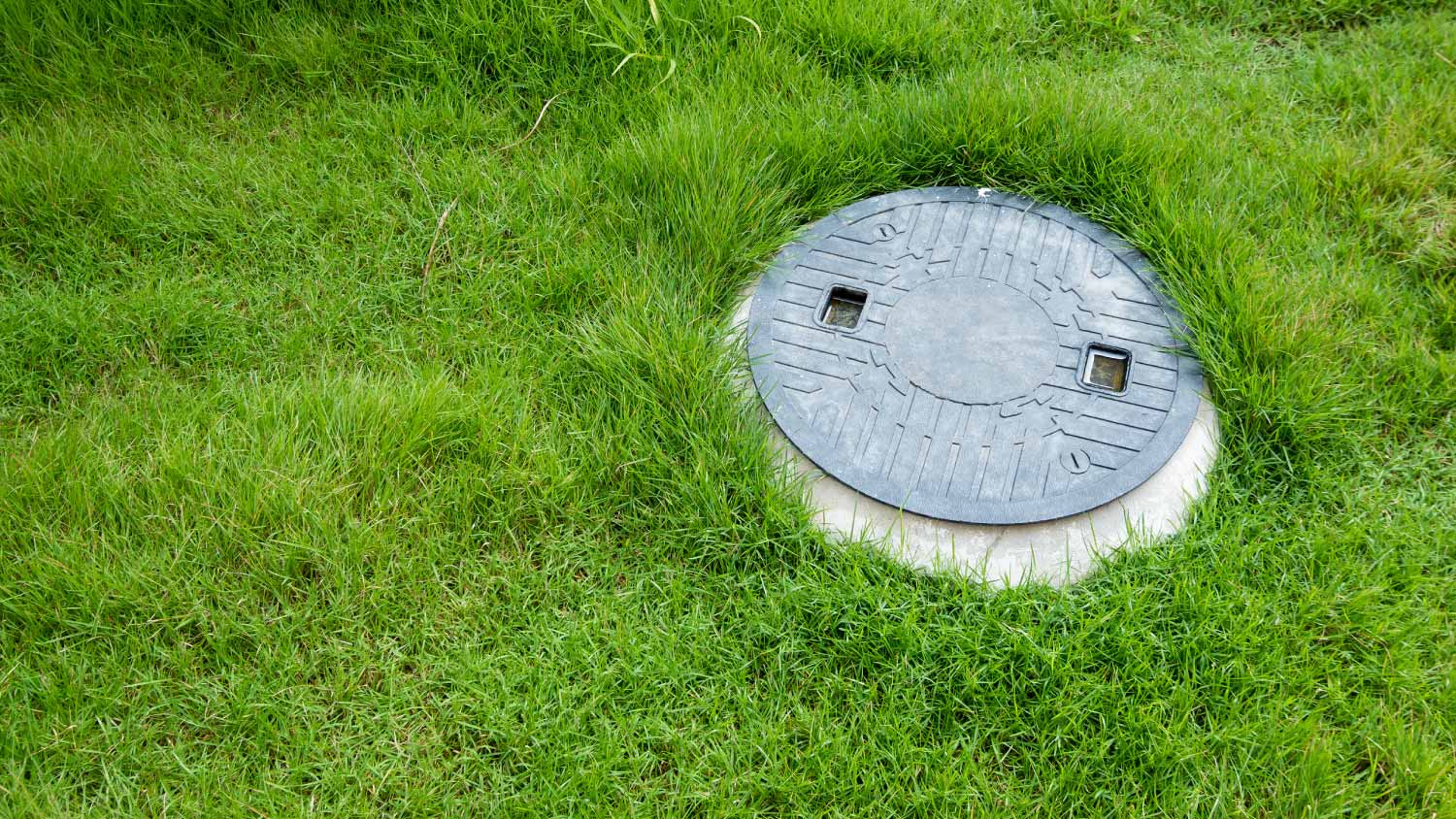
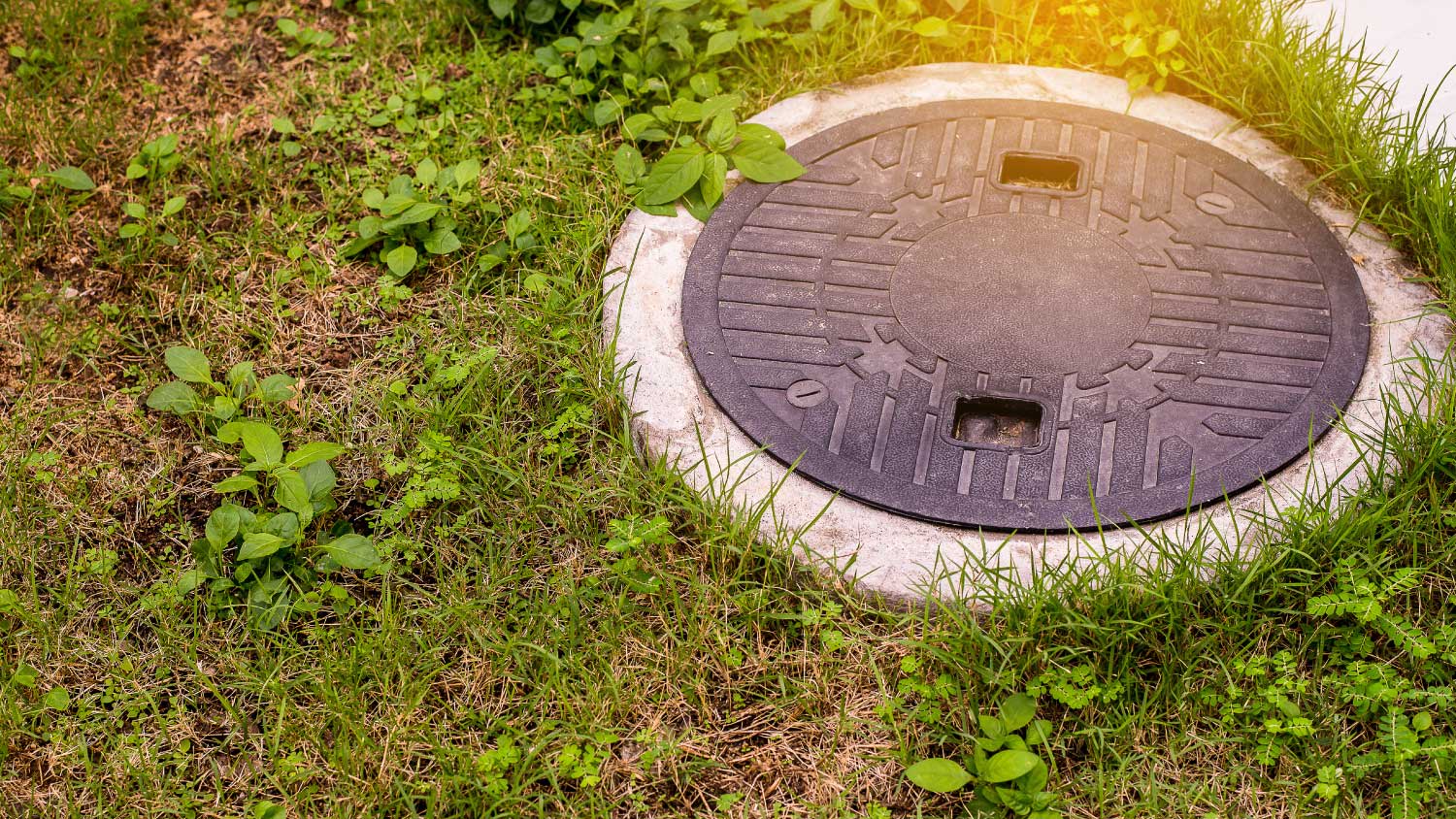
Septic tank lids may or may not be buried in a yard. Most lids are buried at least 4 inches deep unless you have an aerobic septic system. Aerobic septic systems need frequent cleanings, about every four months, so it’s best to leave these lids aboveground for easier access. For buried lids, homeowners can use risers that make it easier to locate and access a buried septic tank lid.
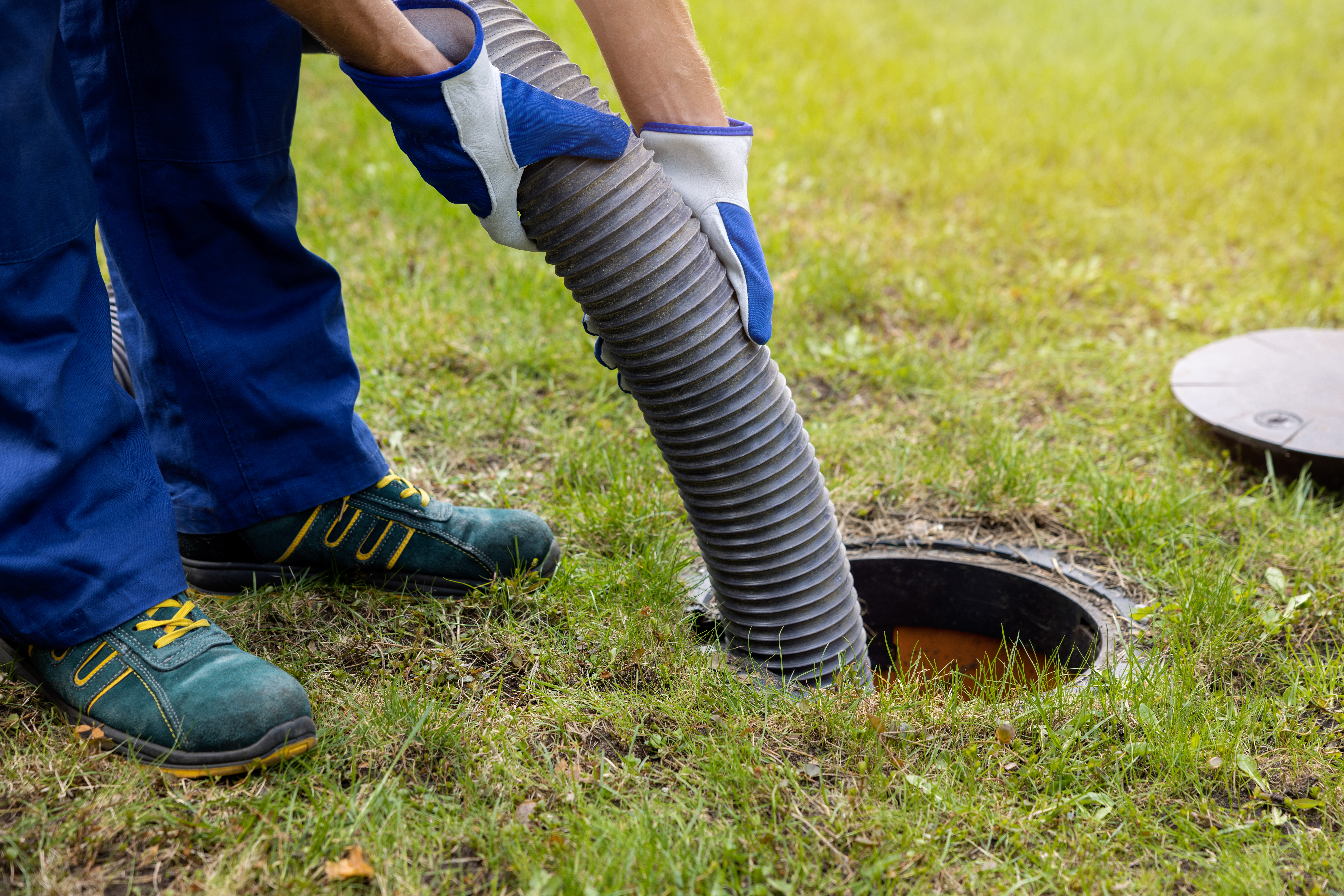
Installation necessitates professional expertise due to complexity and to ensure safety when handling waste.
The Corning, IA homeowners’ guide to septic tank services
From average costs to expert advice, get all the answers you need to get your job done.
It’s crucial to install a septic tank with the right volume to avoid wastewater backups. This guide will help you calculate the right septic tank volume.
Septic tank sizes vary depending on the size of your home, how many people live there, how much water you use, and more. Read on to learn how to determine the right size for you.