We take great pride our experience, expertise, quality, and customer service that we provide to meet the consumer's needs. It is our mission to provide excellent workmanship and complete customer satisfaction, from the start to the completion of a project. order to understand the needs and expectations of our customers, we take great care to work and communicate with every customer a professional manner. Our reputation is based on service, safety, and quality, regardless of how large or small the job.
"I just pay $75 you never know who's going to come out. They do everything electrical. Just about everything is covered except the septic tank. I had an air conditioner replaced. It went great, all I had to do was pay for the freon. He didn't charge e more than what was needed."
We take great pride our experience, expertise, quality, and customer service that we provide to meet the consumer's needs. It is our mission to provide excellent workmanship and complete customer satisfaction, from the start to the completion of a project. order to understand the needs and expectations of our customers, we take great care to work and communicate with every customer a professional manner. Our reputation is based on service, safety, and quality, regardless of how large or small the job.
L and M Plumbing has been serving the Des Moines area for Years. My name is Jim, owner operator. I am licensed and insured, and have over 35 years experience. I take pride in my work, and I believe customer service is everything. Give me a call today and I'll be right over.
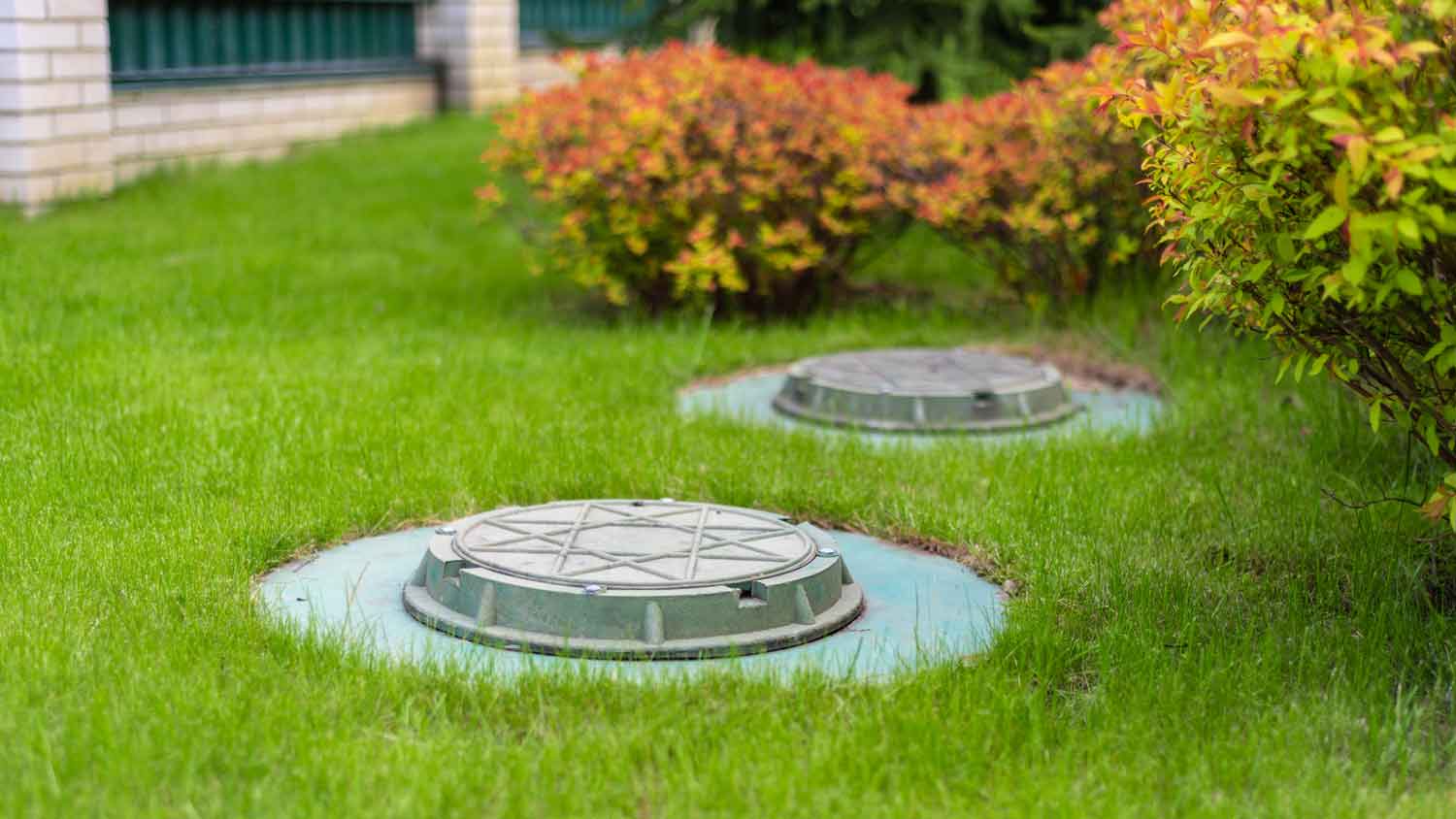
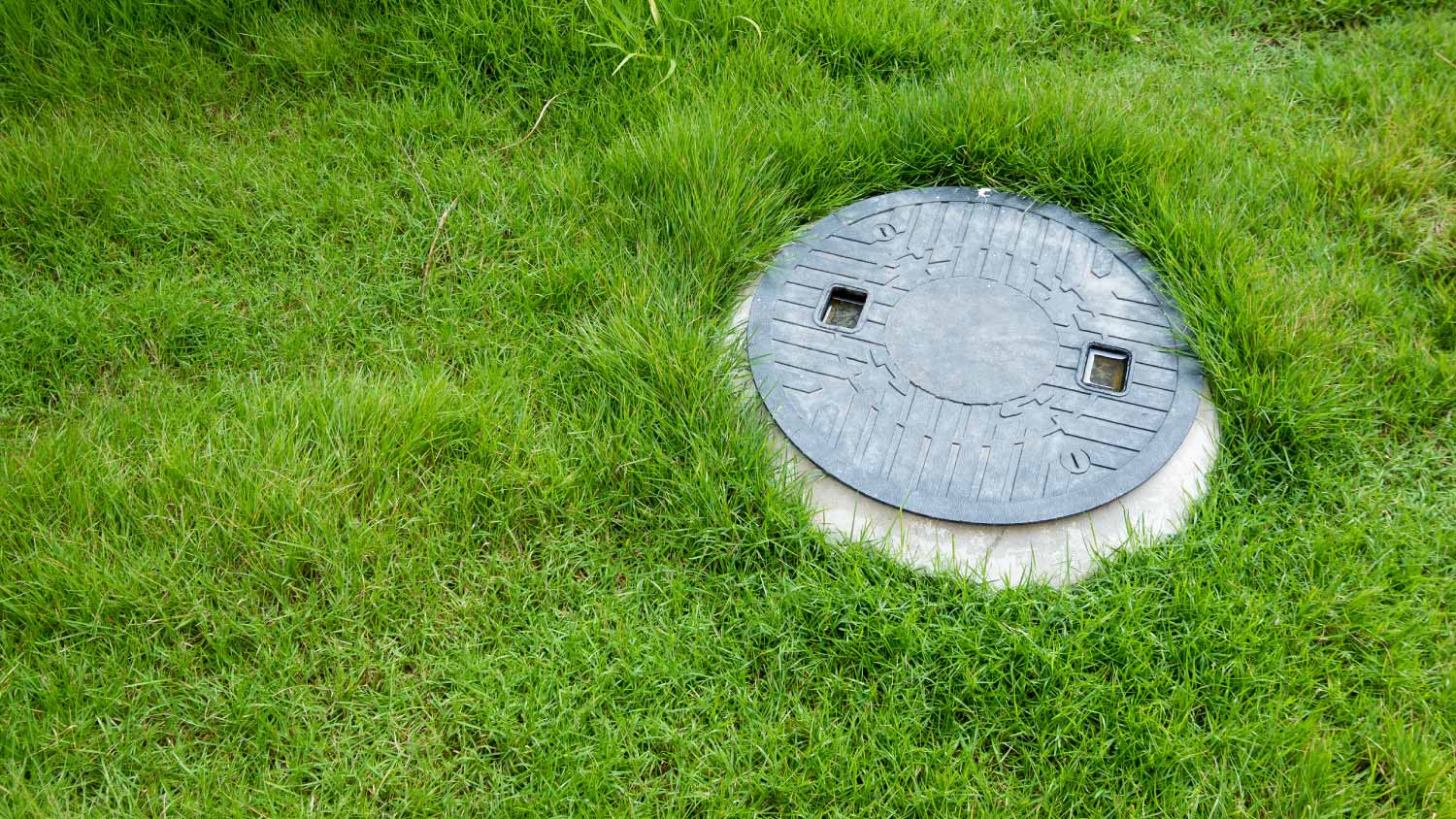
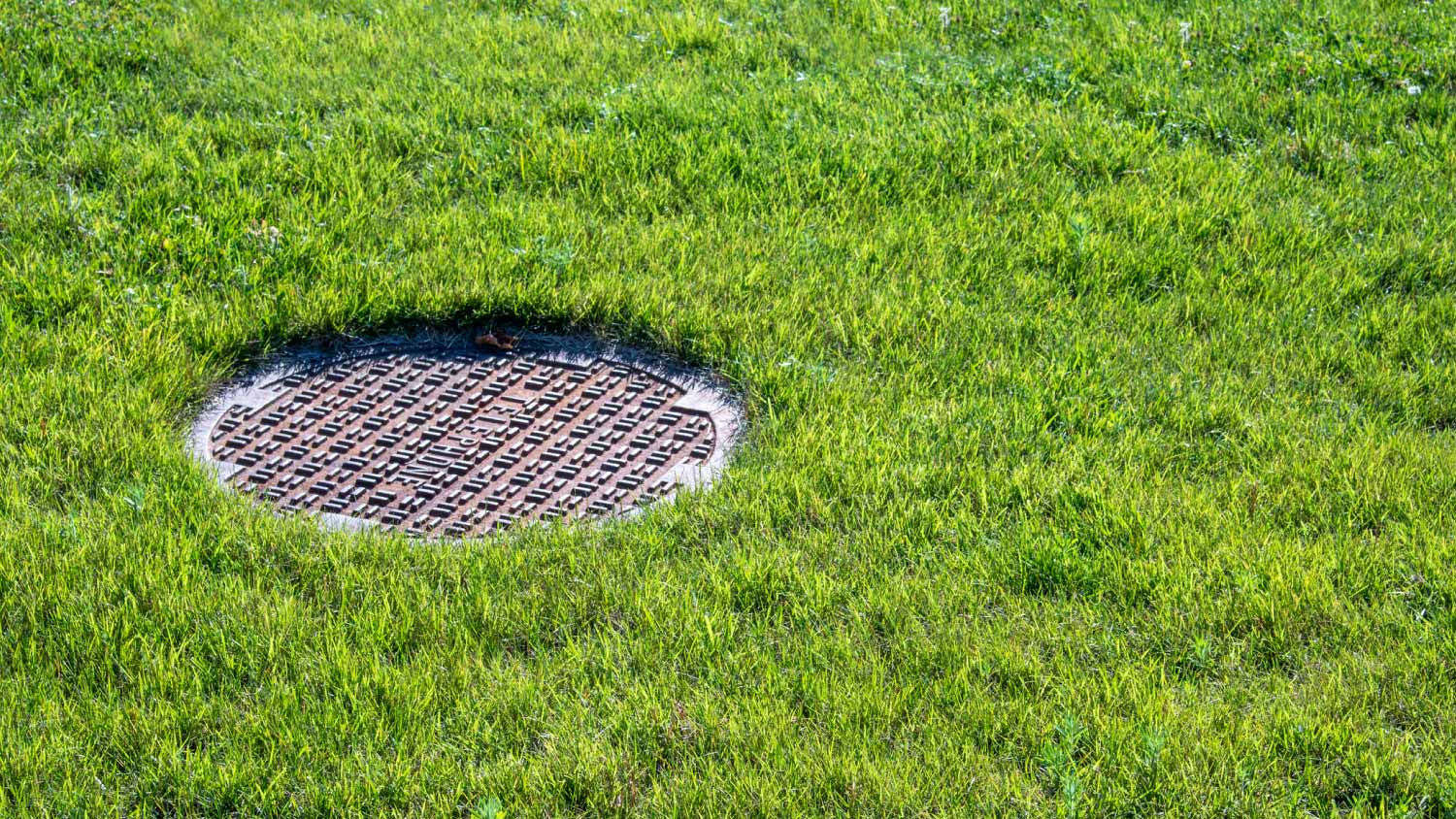
While not strictly necessary for your septic system to operate, septic tank risers are a highly beneficial and wise choice for homeowners. They provide easy access to your tank, which makes regular maintenance, inspections, and addressing issues significantly easier and less labor-intensive. By eliminating the need for repeated excavation to locate the tank, risers can save you money, labor, and energy in the long run. This easy access allows you to proactively manage your septic system, addressing potential problems before they become costly and ensuring the system's longevity. Additionally, some local regulations may require risers, and installing them can help you avoid potential fines or penalties.
Many variables, such as home size, type of engineered system, the material used, soil conditions, and water usage, dictate how long your system will last. On average, most homeowners find that their system lasts 15 to 20 years, though it’s not unheard of for them to last up to 40 years with annual and preventative septic maintenance.
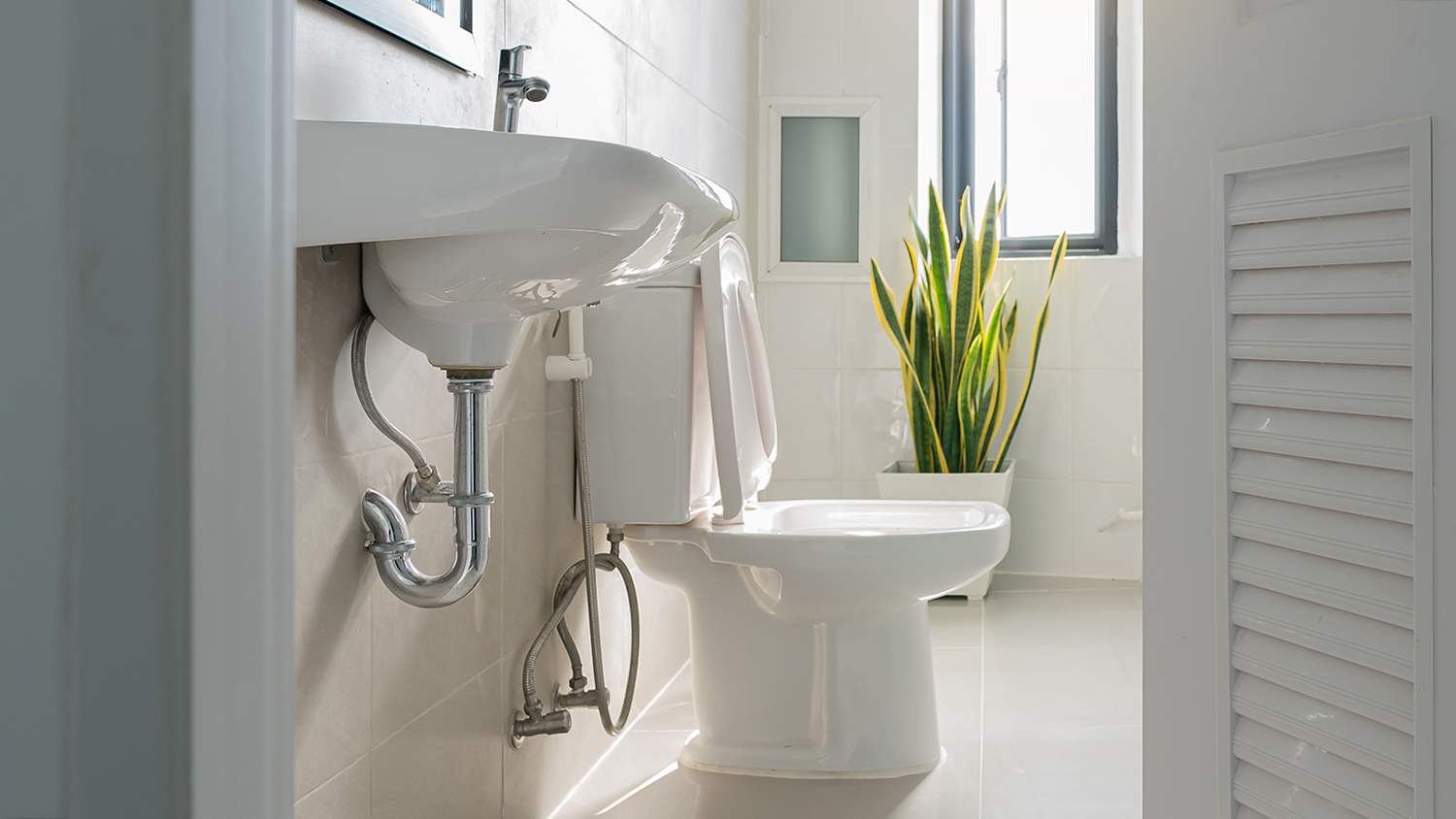
Yes, shower water goes into the septic tank. Shower water is a type of greywater, and in fact, all water used in a home with a septic system—including water from sinks, toilets, the dishwasher, and the washing machine—drains into the tank. When shower water enters the tank, debris like soap and hair travels with it. The solid debris sinks to the bottom to become sludge, while soap residue joins the scum layer at the top. The remaining water is treated in the tank before moving to the drain field for further treatment and dispersal. It is important to avoid putting oil or harsh chemicals down any drain, as they can cause clogs or disrupt the beneficial bacteria required for proper wastewater management in the septic system.
There are a few signs that you might notice if your drain field is bad. For starters, if you see standing water or soggy grass above your drain field, it could mean that it isn’t working correctly. Or, if your yard smells like sewage, it could also indicate that there’s a problem with your drain field. Repairing a drain field costs an average of $2,000 to $15,000.
Permits command adherence to health and environmental standards, with submission crucial for new system installations or extensive modifications.
The Casey, IA homeowners’ guide to septic tank services
From average costs to expert advice, get all the answers you need to get your job done.
It’s crucial to install a septic tank with the right volume to avoid wastewater backups. This guide will help you calculate the right septic tank volume.
Septic tank sizes vary depending on the size of your home, how many people live there, how much water you use, and more. Read on to learn how to determine the right size for you.