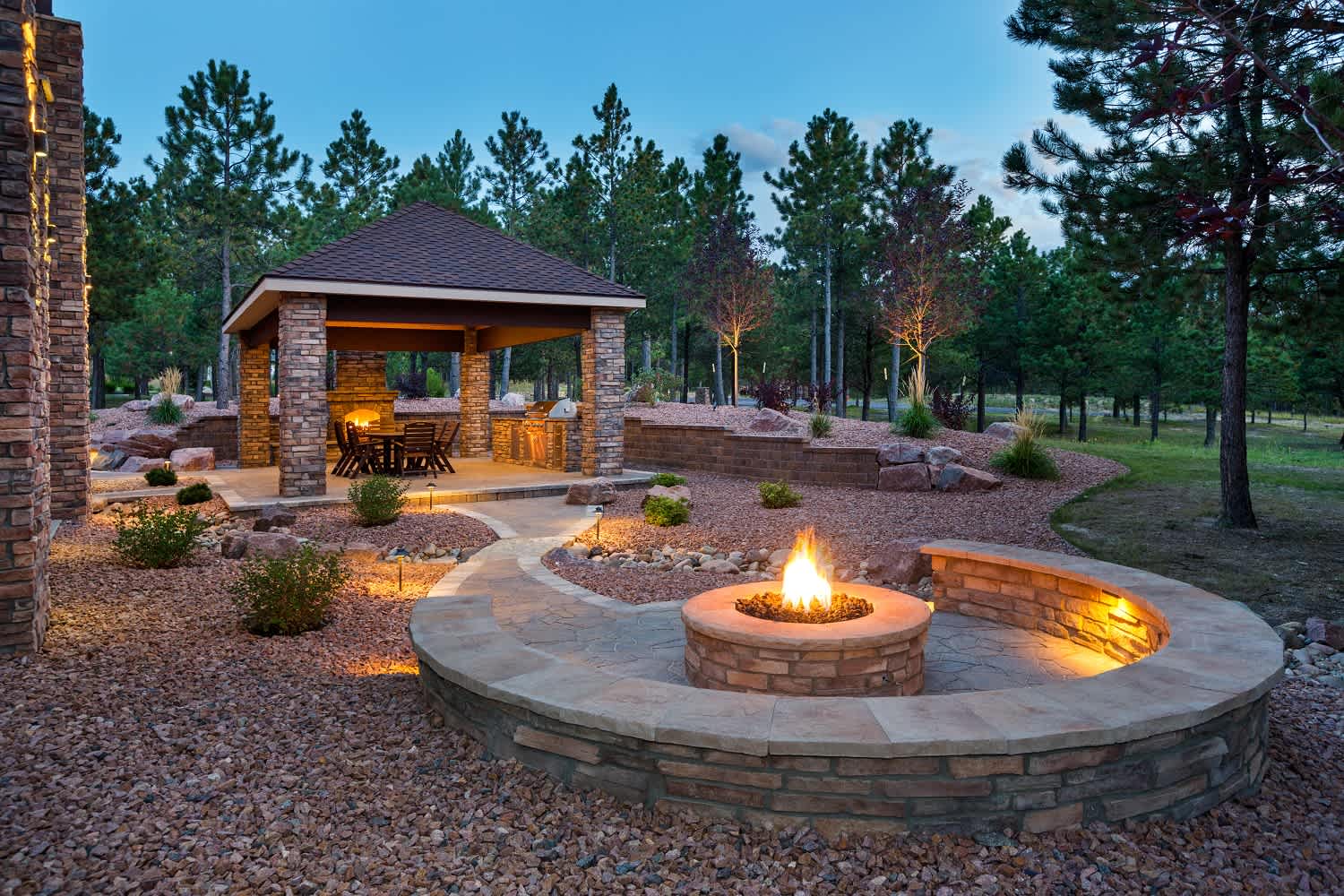









Top-rated fire pit installation pros.

Get matched with top fire pit installation pros in Stonecrest, GA

Enter your zip and get matched with up to 5 pros

Need a pro for your fire pit installation project in Stonecrest, GA?

Select your specific project to find the pro for you.

TRUSTED BY STONECREST, GA HOMEOWNERS

  • Average homeowner rating star icon4.2
    Average homeowner rating
  • Verified reviews icon477
    Verified fire pit installation services reviews

Find Fire pit installation pros in Stonecrest

No results for Fire pit installation pro in

Try adjusting your search criteria.
Fire Pit Installation questions, answered by experts

Certified fire door inspectors should inspect fire doors. These professionals receive training to specifically assess the condition, functionality, and compliance of fire doors. They often hold credentials from groups like the Door and Hardware Institute (DHI) or the International Fire Door Inspector Association (IFDIA). While fire marshals won’t usually do hands-on inspections, they’ll check that doors are being maintained properly during routine safety audits. If a building relies on fire doors for code compliance, it needs someone who understands the details—the difference between a cosmetic issue and a safety failure—and standards to sign off with confidence.

To prevent carbon monoxide poisoning on a propane heater, make sure that your heater is suitable for indoor use. When you run the heater, it should always be in a well-ventilated area with proper air circulation. Installing carbon monoxide detectors on every level of your home is also essential. If you have any questions about using a heater indoors, contact a local heating and oil company for more information.

Baking soda is an effective fire reduction method. However, flour and baking powder are very dangerous around flames. Flour is flammable and it can also conduct electricity. The combination can cause serious injury from electrical shock and worsen the situation by adding fuel to the fire. Baking powder is also not an option as it's also highly flammable. 

Generally, an oil furnace is considered safer than a gas furnace for several reasons. While both types of furnaces can produce carbon monoxide, a leak in an oil furnace is easier to detect due to the smell. Oil furnaces also don't connect to a gas pipeline, which reduces the chance of a fuel leak. Most importantly, heating oil is not combustible, whereas natural gas is highly flammable. This means there is a much lower risk of combustion or explosion with an oil furnace. However, an oil furnace can still pose a fire hazard if it tips over.

Your local town or municipality’s fire code and other applicable ordinances will set out the requirements for installing and maintaining a private fire hydrant. These rules can vary from place to place, so it’s crucial to consult with your town’s fire or code enforcement departments before you install a private hydrant on any property you own. Alternatively, you can hire a professional fire service consultant to help you interpret local laws and ensure you’re fully compliant with those requirements.

The Stonecrest, GA homeowners’ guide to fire pit installation services

From average costs to expert advice, get all the answers you need to get your job done.