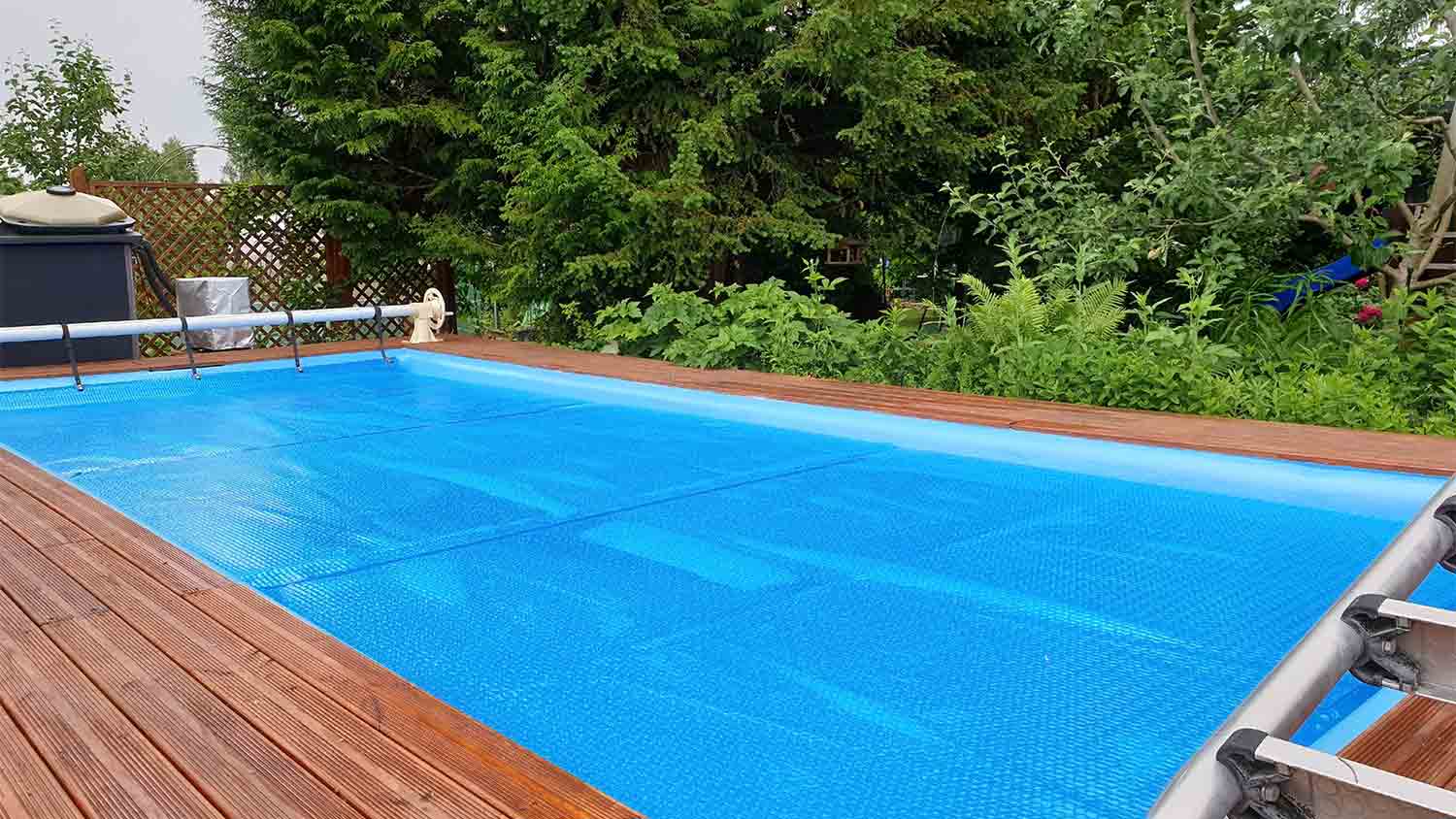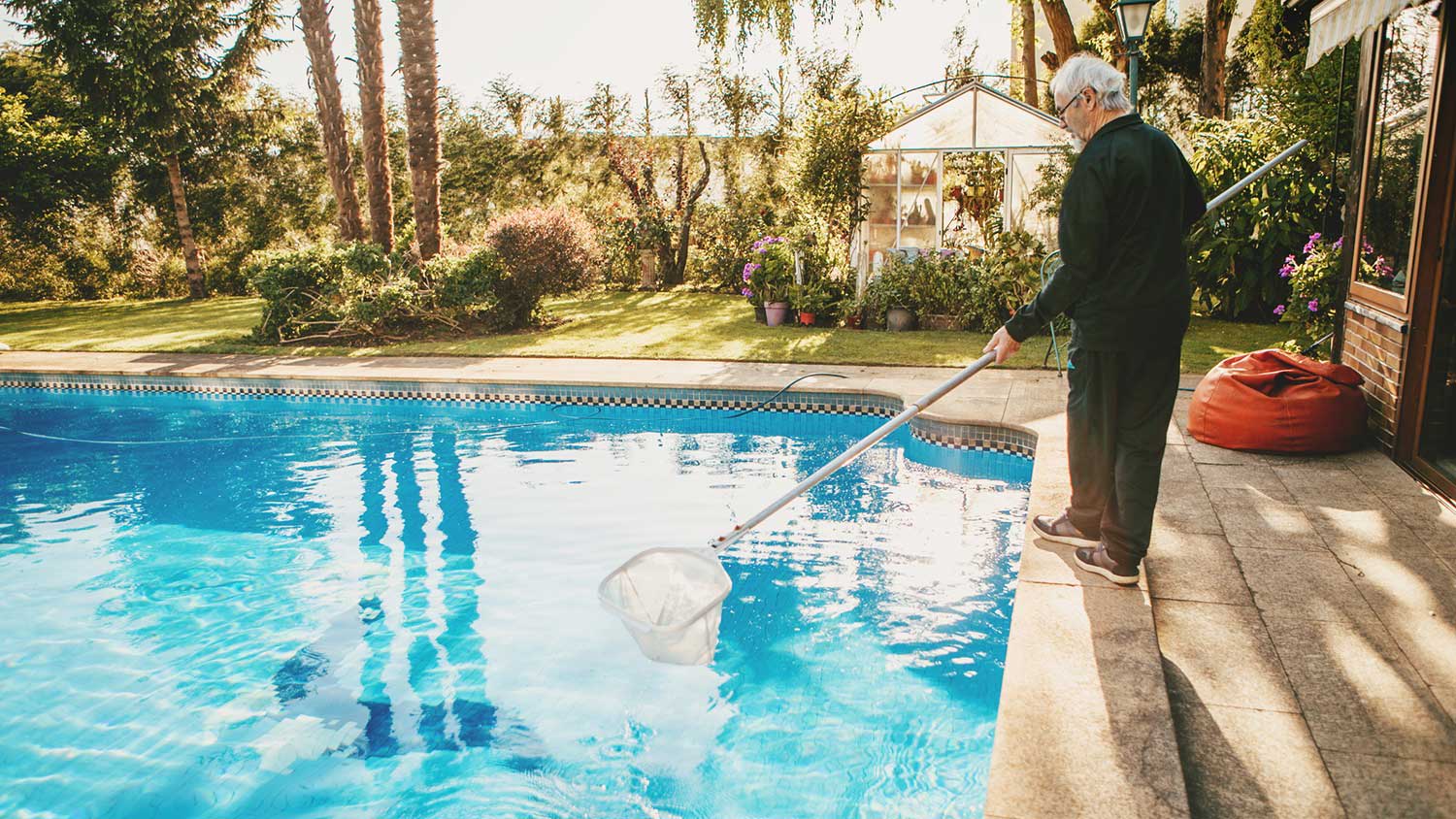
Top-rated pool and spa technicians.

Best pool and spa technicians near Augusta, GA

Enter your zip and get matched with up to 5 pros

Need a pro for your pool and spa servicing project in Augusta, GA?

Select your specific project to find the pro for you.

TRUSTED BY AUGUSTA, GA HOMEOWNERS

  • Average homeowner rating star icon4.5
    Average homeowner rating
  • Verified reviews icon151
    Verified pool and spa services reviews

Top-Rated Pool and spa technicians in Augusta - Updated Nov 2026

Avatar for Adams Pool Maintenance
Adams Pool Maintenance
4.9(
37
)
Swimming Pool - Clean and MaintainSwimming Pool - Opening & Closing Service

Serving Augusta, GA and surrounding areas

Approved

In business since 2020

Warranties offered

Small jobs welcome

"I am fully pleased with Adams Pool Maintenance. My pool looks better than ever. Clear, courteous communication. Very dependable, which I have found is hard to find with pool services. Thank you!!"
Response time1 day
18 neighbors recently requested a quote
Recommended by91%of homeowners
Avatar for Rocky Creek Lawncare & Landscaping, LLC
Rocky Creek Lawncare & Landscaping, LLC
4.7(
29
)
Replace Vinyl Liner for Swimming Pool

Serving Augusta, GA and surrounding areas

Approved

In business since 2008

Free estimates

Credit card accepted

"Sprinkler system and sod install in my front yard was indeed more than I could have asked for!! Brent was very professional and explained everything that was to be done. The price was very reasonable! His team was thorough and efficient. Also had a French drain installed. I would recommend them to anyone needing landscaping services!"
Response time4 days
3 neighbors recently requested a quote
Recommended by88%of homeowners
Avatar for Augusta Pools
Augusta Pools
4.6(
76
)
Swimming Pool - Clean and MaintainSwimming Pool - Opening & Closing Service

Serving Augusta, GA and surrounding areas

In business since 2021

Free estimates

Emergency services offered

"They were very professional in their dealings with us. They were prompt in the timing and completed everything within the timing stated. I would recommend them for any pool related job. Outstanding service and very personal."
Response time10 hrs
Recommended by91%of homeowners
Showing 1-10 of 32
Pool and Spa Servicing FAQs, answered by experts

For a fully-foamed hot tub, freezing typically occurs when the temperature drops below 28 degrees Fahrenheit and remains at or below this level continuously for a minimum of 36 hours. If your hot tub and pumps are still operational, however, the water circulates, and this continuous movement helps prevent freezing, even in very cold conditions. This circulation, along with the insulation provided by the foam, helps maintain the water temperature and prevent it from freezing during extended cold periods. Still, if you’re not planning to run it regularly, be sure to winterize the hot tub properly to prevent damage from freezing.

Generally, it is more cost-effective and energy-efficient to leave your hot tub on all the time rather than turning it on and off. Reheating a hot tub from a cold temperature consumes a significant amount of energy, so maintaining a constant temperature is usually more economical, especially with frequent use.

For daily or weekly use, it's recommended to keep the water at a constant, reduced temperature, such as between 80 and 95 degrees Fahrenheit, and then increase it to your desired temperature before getting in. If you know you won't be using the hot tub for an extended period, you can lower the temperature to save on energy costs. However, if you use it very infrequently, you can turn it off completely, as long as there is no risk of the water freezing.

Shocking your hot tub means adding extra chemicals to the water. Most spa experts recommend doing this once a week for proper hot tub maintenance, but you can do it more if needed. Shocking has multiple benefits, including preventing the water from becoming murky and it’s essential in removing harmful bacteria from the water.

If water is left inside the hot tub pump over a cold winter, it could freeze and severely damage the pump, water lines, and jets. That can cause leaks, which require very expensive repairs. Freezing or leftover water can stain and damage the hot tub shell, which leads to replacement. Even in mild climates, leaving sitting water in the tub or pipes for a long period of unuse is a bad idea, since disinfecting chemicals fade and the water can develop bacteria, algae, and other big headaches when it’s time to use the tub again.

Yes, hot tubs can use a significant amount of electricity, primarily to keep the water heated. A typical hot tub uses between 1,500 and 6,000 watts, and the pump can add another 1,500 watts. This usage can result in a monthly cost of around $20 to $30. The exact amount of electricity consumed depends on several factors, including the hot tub's age, size, heater voltage (120V vs. 240V), usage habits, and thermostat setting. Newer, energy-efficient models generally use less power than older ones. To reduce electricity costs, consider investing in an energy-efficient model, using a quality insulated cover with a thermal blanket, and keeping the filters clean.

The Augusta, GA homeowners’ guide to pool and spa services

From average costs to expert advice, get all the answers you need to get your job done.