

Need a new pool pump to boost performance and save on energy? Use this guide to budget for your pool pump replacement costs.
Pool and spa servicing costs depend on your project and location. Check with a local pro for your specific job.

Pool pump repairs cost $100 to $700, with motor replacements and variable-speed pump fixes on the higher end of your repair budget.
Your pump type and construction materials determine repair complexity, with variable-speed models needing specialized parts and expertise for proper fixes.
Account for emergency service fees and bundled maintenance tasks like filter cleaning or plumbing repairs when you plan your repair budget.
Hiring a local pool and spa service professional ensures safe handling of electrical components and prevents recurring problems from improper repairs.
This article was created using automation technology and thoroughly fact-checked and edited by an Angi Editor in accordance with our AI policy.
In 2026, the national average cost of pool pump repair is $350, giving homeowners a reliable baseline when budgeting for unexpected pump issues. Most repairs fall within $150 to $500, with the spread driven by the type of repair needed, the pump model, and local labor rates.
Several variables shape your pool pump repair bill, with the type of repair needed, your pump's brand, and its size being the most significant. Understanding each factor helps you plan a realistic budget before calling a pro.
The specific repair your pool pump needs is the biggest cost driver, with prices ranging from $100 to $700 depending on the job. Simpler fixes like electrical repairs or seal replacements sit at the lower end, while motor replacements and complex jobs push toward the higher end. Knowing the signs of each issue helps you act early and avoid compounding damage that raises the final bill. Costs vary by repair type, as the breakdown below shows.
| Repair Type | Description | Average Cost Range in 2026 |
|---|---|---|
| Motor repair | Fixing or rewinding motor components | $200–$500 |
| Motor replacement | Replacing the entire motor | $350–$700 |
| Seal replacement | Replacing pump seals to stop leaks | $100–$250 |
| Impeller repair | Repairing or cleaning the impeller | $120–$300 |
| Impeller replacement | Installing a new impeller | $150–$400 |
| Electrical repairs | Fixing wiring, switches, and capacitors | $100–$250 |
| Leak repairs | Sealing cracks or replacing fittings | $120–$350 |
| Bearing replacement | Replacing worn or noisy bearings | $150–$350 |
The motor is the heart of your pool pump. If it fails, the pump cannot circulate water, which can quickly lead to dirty or unsafe pool conditions. Motor failure is often caused by age, overheating, or electrical problems.
Most motors last between five and seven years before they require repair or replacement. Repairing a motor costs between $200 and $500, while a full replacement ranges from $350 to $700. Deciding between repair and replacement often depends on the age and condition of your motor.
Seals keep water from leaking out of your pump and maintain the pressure needed for proper operation. Signs of seal failure include visible water leaks and a noticeable drop in suction. Most pool pump seals should be replaced every two to three years, or sooner if a leak is detected.
Seal replacement costs $100 to $250. Ignoring a leaking seal can damage other pump components, leading to much higher repair bills.
The impeller is responsible for moving water through the pump. If it's damaged or clogged, you'll notice weak water flow or unusual noises. Impeller repairs are needed when debris causes blockages or the impeller becomes worn.
Basic impeller repairs cost $120 to $300, while full replacement is $150 to $400. Impeller problems should be addressed promptly to avoid straining the motor.
Electrical issues can range from faulty wiring and broken switches to failed capacitors. Because pool pumps operate near water and electricity, safety is paramount. Always have a licensed professional handle electrical repairs.
Electrical problems are relatively common, especially in older pumps, and repairs cost $100 to $250. Quick attention to electrical issues prevents further damage and keeps your system safe.
Leaks can occur from cracked pump housings, worn fittings, or loose connections. Left unchecked, leaks lead to water loss, higher bills, and potential equipment damage. Leak repairs are needed as soon as you notice water pooling around the pump or a drop in water level. Most leak repairs cost $120 to $350, depending on the source and severity.
Bearings help your pump run smoothly and quietly. Worn bearings cause grinding noises, vibration, and can lead to motor failure if not replaced. Bearings last several years, but should be replaced as soon as trouble signs appear. Expect to pay $150 to $350 for bearing replacement. Timely bearing repairs help extend the life of your pump and motor.
The design of your pool pump directly affects repair costs, with single-speed pumps being the least expensive to fix and variable-speed models carrying the highest repair prices due to their advanced technology and specialized parts. Dual-speed pumps fall in between, and costs vary by pump type as shown below.
| Pump Type | Description | Average Repair Cost in 2026 |
|---|---|---|
| Single-speed | Basic, one-speed operation | $150–$400 |
| Dual-speed | Two speed settings | $200–$500 |
| Variable-speed | Adjustable speeds, more efficient | $250–$700 |
Brand reputation and parts availability both influence your repair cost, since well-known brands like Pentair, Hayward, Jandy, and Sta-Rite vary widely in part pricing depending on the model and age. Some brands offer readily available, affordable components, while others require special-order parts that raise both cost and turnaround time, so checking availability before scheduling repairs is a smart first step.
Pump size directly affects repair costs, with larger, higher-horsepower models requiring more expensive parts and longer labor times than smaller residential units. Costs vary by pump size, as the breakdown below shows.
| Pump Size | Description | Average Repair Cost in 2026 |
|---|---|---|
| Small (0.5–1 HP) | For small pools/spas | $150–$350 |
| Medium (1.5–2 HP) | For standard residential pools | $200–$500 |
| Large (2.5+ HP) | For large or commercial pools | $300–$700 |
The materials in your pool pump affect both the immediate repair cost and how frequently you'll need repairs over the pump's lifespan. Plastic components are cheaper to replace but wear out faster, while stainless steel and composite parts cost more upfront and tend to last longer. Costs vary by material type, as the breakdown below shows.
| Material Type | Description | Average Repair Cost in 2026 |
|---|---|---|
| Plastic | Lightweight, lower cost | $100–$350 |
| Stainless steel | Durable, rust-resistant | $200–$500 |
| Composite | Long-lasting, high-performance | $250–$600 |
A manufacturer or extended warranty can reduce or eliminate your repair costs, though coverage applies only to defects in materials or workmanship, not damage from neglect or improper use. Always review your warranty before scheduling repairs, and if a claim applies, contact the manufacturer or installer with proof of purchase and follow their approval process.
Pool professionals often offer maintenance plans covering regular inspections, seal checks, basket cleaning, and lubrication of moving parts, which cost less over time than paying for major repairs out of pocket. Routine maintenance through one of these plans can extend your pump's life and reduce the likelihood of unexpected repair bills.
Local pool professionals charge $75 to $150 per hour for pool pump repair, though some jobs are billed as flat fees rather than hourly rates. Labor covers diagnosis, repair work, and testing, and emergency or after-hours service typically adds extra fees, so request a detailed quote before scheduling.
Where you live affects your repair cost, with urban areas carrying higher labor rates and rural regions offering lower prices but fewer service providers. In-ground pool pumps are generally more expensive to repair than above-ground models because of accessibility challenges, and pumps in tight equipment rooms may require additional labor to reach.
Pool pump repairs often coincide with related maintenance tasks like filter cleaning, plumbing repairs, or electrical upgrades, which can add $50 to $300 or more to your total bill. Bundling services, such as replacing a faulty timer during the same visit, can reduce your overall cost, so ask your repair pro about add-on services and package pricing before the work begins.
Deciding whether to repair or replace your pool pump depends on factors like the pump's age, the extent of damage, and how often repairs are needed. If the repair cost exceeds 50% of the price of a new pump, it's more cost-effective to replace it. For example, if a new pump costs $900 and your repair quote is $500, paying for a new pool pump may be the smarter choice.
Warranties and the expected lifespan of your current pump also play a role. Upgrading to a new, energy-efficient model can lower future energy bills and provide better performance, which is worth considering if your pump is older or frequently breaks down.
Hiring a local pool pump repair pro costs more upfront, but you benefit from expert diagnostics, safe handling of electrical components, and efficient repairs. Pros bring the right tools—such as multimeters, seal kits, and specialized wrenches—and the experience needed to fix pumps without causing further damage to your pool system.
Repairing a pool pump involves electrical troubleshooting, mechanical repair, and careful handling of water and chemicals. Here are some of the top reasons to work with a pro:
Professionals know how to diagnose pump issues quickly, whether it's a motor failure, impeller clog, or seal leak, saving you time and guesswork.
They handle electrical and plumbing components safely, reducing the risk of shocks, water damage, or equipment failure.
Hiring a pro reduces the chance of recurring problems caused by improper reassembly, incorrect wiring, or damaged seals.
Many contractors can bundle services such as filter cleaning, system inspection, or pump replacement, helping streamline maintenance and repairs.
If you want to take on some tasks yourself, here are a few DIY steps that can help reduce time and labor costs:
Turn off the pump and circuit breaker, and clear the area around the pump to provide easy access.
Clean debris from the pump basket and filter to reduce strain on the system before the pro arrives.
Gather information about the pump model, motor specifications, and symptoms of the issue to help the professional diagnose and repair more efficiently.
If you're looking for ways to reduce the cost of pool pump repairs, consider the following tips:
Regularly clean and inspect your pool pump to prevent major repairs.
Address minor issues early to avoid costly breakdowns.
Shop around for parts and obtain multiple quotes from reputable repair professionals.
Check warranty coverage before scheduling repairs.
Invest in a maintenance plan for long-term savings.
Consider energy-efficient upgrades to reduce future repair costs.
Let your pro know the type, model, and issues with your pool pump, so they can plan for the right parts, tools, and repair approach.
Describe any underlying problems you’ve noticed, like unusual noises, leaks, or reduced water flow, that could affect the repair or indicate additional issues.
Ask whether you need to prep the area beforehand, such as turning off the pump, clearing the surrounding space, or draining nearby water if needed.
Confirm whether unexpected costs could arise from issues like motor damage, worn-out components, or difficulty accessing the pump.
If you’re considering follow-up work—like upgrading to a more efficient pump, replacing filters, or installing automation—ask whether it’s more efficient to bundle those services with the pump repair.
Home is the most important place on earth, which is why Angi has helped more than 150 million homeowners transform their houses into homes they adore. To help homeowners with their next project, Angi provides readers with the most accurate cost data and upholds strict editorial standards. We extensively research project costs to develop the pricing data you see, so you can make the best decisions for you and your home. We rely on reputable sources, including the U.S. Bureau of Labor Statistics, academic journals, market studies, and interviews with industry experts—all to ensure our prices reflect real-world projects.
Want to help us improve our cost data? Send us a recent project quote to [email protected]. Quotes and personal information will not be shared publicly.
This service was great. My air conditioner went out during the heat spell that we had. My husband has health issues and they came out that night and at 9:30pm the air conditioner was fixed and running. We are sooo very thankful, this is the company I will be using from now on and would...
 Mr. Mechanical Ohio
I had FabClean 614 clean my apartment, and she did an outstanding job. She was so professional and efficient. My apartment looks absolutely spotless every surface, every corner, all cleaned to perfection. Definitely highly recommend FabClean 614 if you're looking for top-notch cleaning...
 Fab Clean 614
Binion and Alex did such a good job. Fast, fair, efficient. Would def use them again. Best experience Iâ ve had in moving - someone should give them a raise. Will undoubtedly recommend this service.
 All My Sons Moving & Storage
Great customer service. The owner Ilia was wonderful to work with. Would definitely recommend this company.
 Window Depot USA of Central Ohio
I definitely recommend Ramonaâ s cleaning service! I have booked services with her many times and she arrives on time, ready to work and provides a great service.
 Your Cleaning Solutions LLC
Excellent experience! Left my place looking great. Friendly customer service too. Would recommend!
The service was excellent! They gave me a quote, and had it done 4 days later. My driveway looks amazing, very professional! I would definitely recommend their service to anyone. I have had neighbors stop by and ask for their information as well.
 All Star Paving and Sealing
Webb â s was priced well, flexible on scheduling, great with communication, and detailed in their work. Iâ ll definitely use their services again.
 Webbs Pressure and Paint LLC
They’ve been great to work with. All of my clients that have used them have nothing but good things to say about the experience. Quick responses and fast service. They’re a trustworthy team!
 Total Home Roofing
Mary Cleaning Service is fantastic! The entire team is professional and pay a great deal of attention to detail. They do such a thorough job of cleaning my house. I would definitely recommend!
From average costs to expert advice, get all the answers you need to get your job done.
Need a new pool pump to boost performance and save on energy? Use this guide to budget for your pool pump replacement costs.
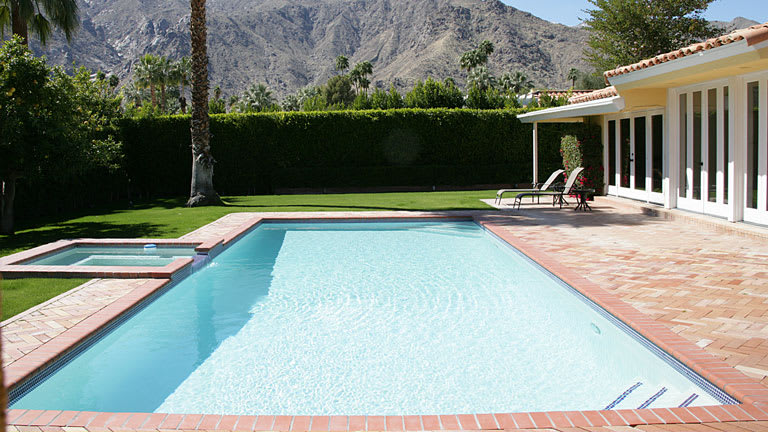
From small leaks to broken pool pumps, how much do pool repairs cost? We'll break down what to expect from your pool repair bill no matter the size of the fix.
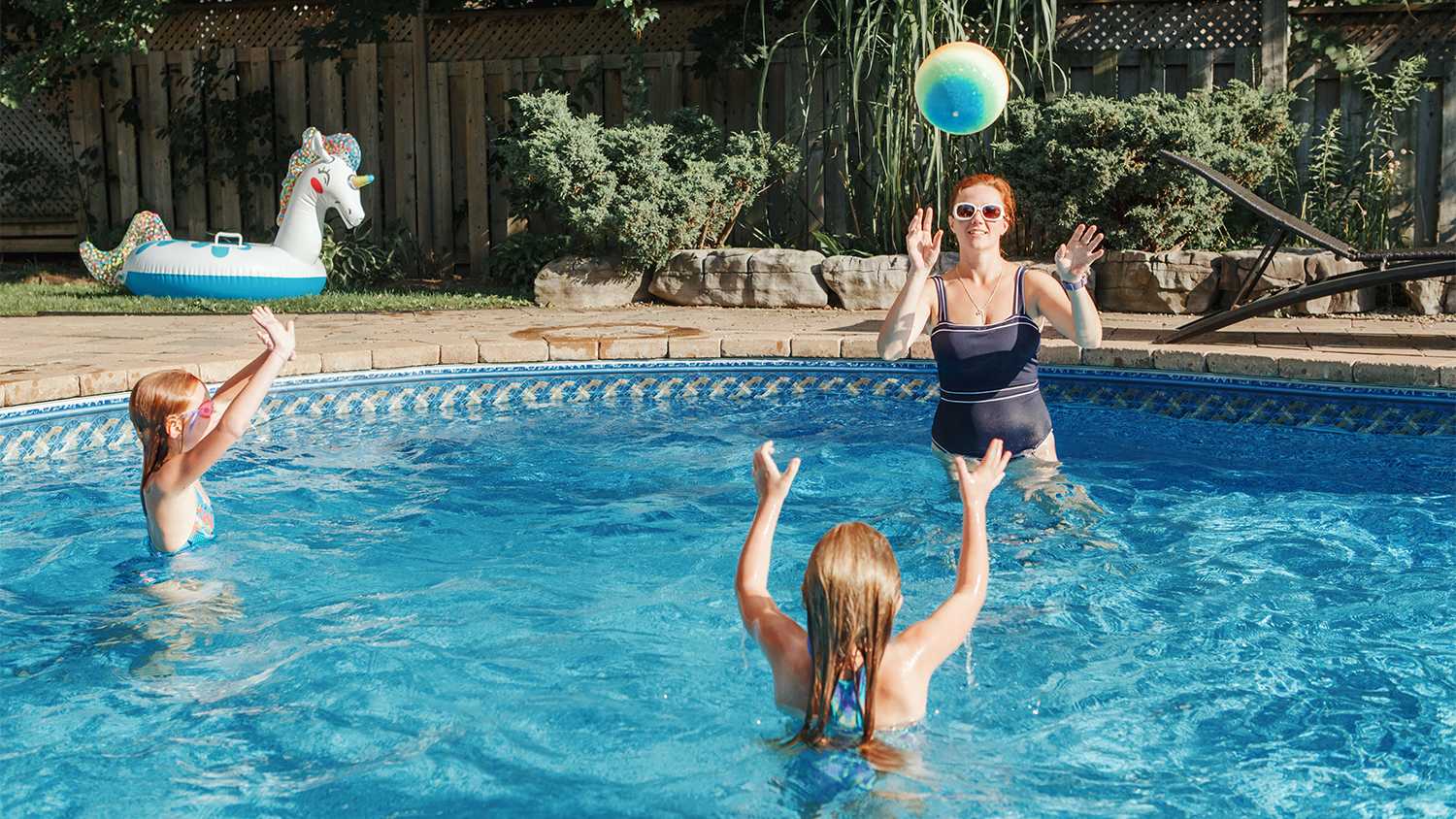
Pool heater problems could point to many issues, some of which you can troubleshoot. Find out repair costs for heat pumps, natural gas, and solar pool heaters.

How long should you run your pool pump for the cleanest pool? We’ve got the answer, plus details on how to calculate run time.

Why is my pool pump so loud? Clogs, faulty parts, low water levels, and more can cause a noisy pump. Discover why and what you can do to fix it.

Two-speed and variable-speed pool pumps perform the same function, but how they do it can create a splash or squash the fun at your next pool party.