

Top-rated septic tank pros.

Best septic tank pros near Appling, GA

Enter your zip and get matched with up to 5 pros

Need a pro for your septic tank service project in Appling, GA?

Select your specific project to find the pro for you.

TRUSTED BY APPLING, GA HOMEOWNERS

  • Average homeowner rating star icon4.5
    Average homeowner rating
  • Verified reviews icon31
    Verified septic tank services reviews

Top-Rated Septic tank pros in Appling - Updated Nov 2026

Avatar for JC Siteworks & Septic
JC Siteworks & Septic
New to Angi
Septic System - Install or ReplaceSeptic System - Install or Replace - For BusinessSeptic System - Repair+3 more

Serving Appling, GA and surrounding areas

In business since 2021

Credit card accepted

JC Siteworks & Septic, has over 15 years of combined experience in septic system solutions and sitework. Specializing in pumping, installations, and maintenance, we prioritize seamless operations for residential and commercial clients. Our dedicated team ensures efficient septic services, addressing every need with precision. From routine maintenance to complex installations, we deliver reliable solutions that stand the test of time. Trust JC Siteworks & Septic for unparalleled experience, quality workmanship, and a commitment to the longevity of your septic system. Your satisfaction is our priority, making us the go-to choice for comprehensive septic solutions.

Additional Photos
Additional Photos
Additional Photos
Additional Photos
Additional Photos

+4

Septic Tanks FAQs, answered by experts

There are a few signs that you might notice if your drain field is bad. For starters, if you see standing water or soggy grass above your drain field, it could mean that it isn’t working correctly. Or, if your yard smells like sewage, it could also indicate that there’s a problem with your drain field. Repairing a drain field costs an average of $2,000 to $15,000.

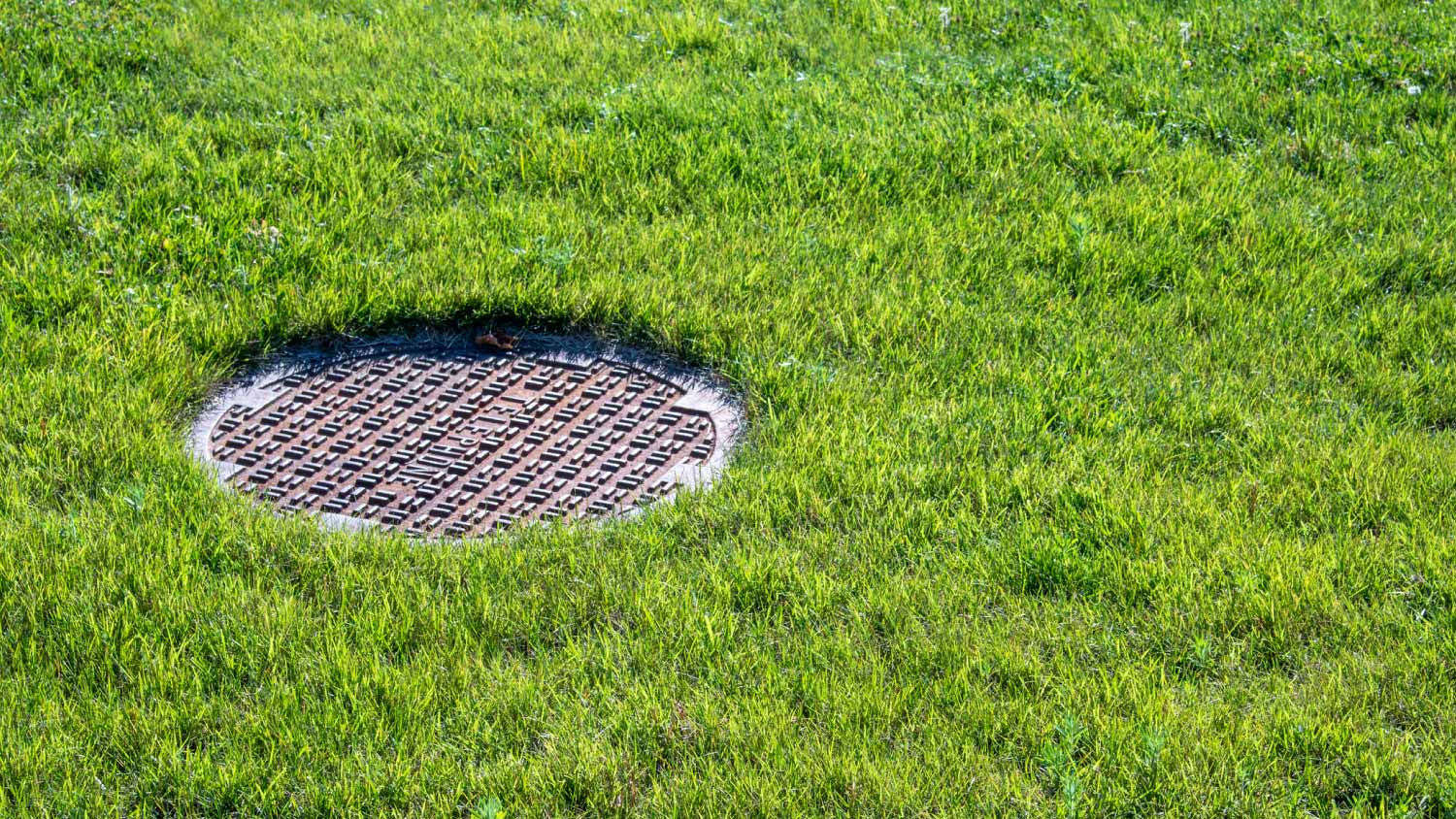
Yes. A metal detector is one of the quickest and easiest ways to find your septic tank. However, metal detectors can be too expensive (costing upward of $300 in some cases), and not everyone has a metal detector just lying around. If that’s the case for you, you can also take a long metal rod and poke it into the ground at regular intervals until you hit something—likely your septic tank lid.

Leach lines are commonly made of PVC pipe, and they’re placed into trenches filled with gravel and sand, which help treat the wastewater. The PVC pipes are perforated, or drilled with small holes, so the wastewater can drain out of the pipes and into the surrounding material, which eventually leads to the aquifer.

How to size a well pressure tank is determined by three factors: flow rate, or how many gallons per minute your well pump produces; minimum runtime; and pressure switch setting. Most pressure tanks have a pressure switch operating at 20/40, 30/50, and 40/60—the first number is the pressure needed for the pump to turn on, and the second number is the pressure needed for the pump to switch off. Most homeowners relying on well water require a water pressure tank ranging from 20 to 80 gallons. 

Yes, shower water goes into the septic tank. Shower water is a type of greywater, and in fact, all water used in a home with a septic system—including water from sinks, toilets, the dishwasher, and the washing machine—drains into the tank. When shower water enters the tank, debris like soap and hair travels with it. The solid debris sinks to the bottom to become sludge, while soap residue joins the scum layer at the top. The remaining water is treated in the tank before moving to the drain field for further treatment and dispersal. It is important to avoid putting oil or harsh chemicals down any drain, as they can cause clogs or disrupt the beneficial bacteria required for proper wastewater management in the septic system.

The Appling, GA homeowners’ guide to septic tank services

From average costs to expert advice, get all the answers you need to get your job done.