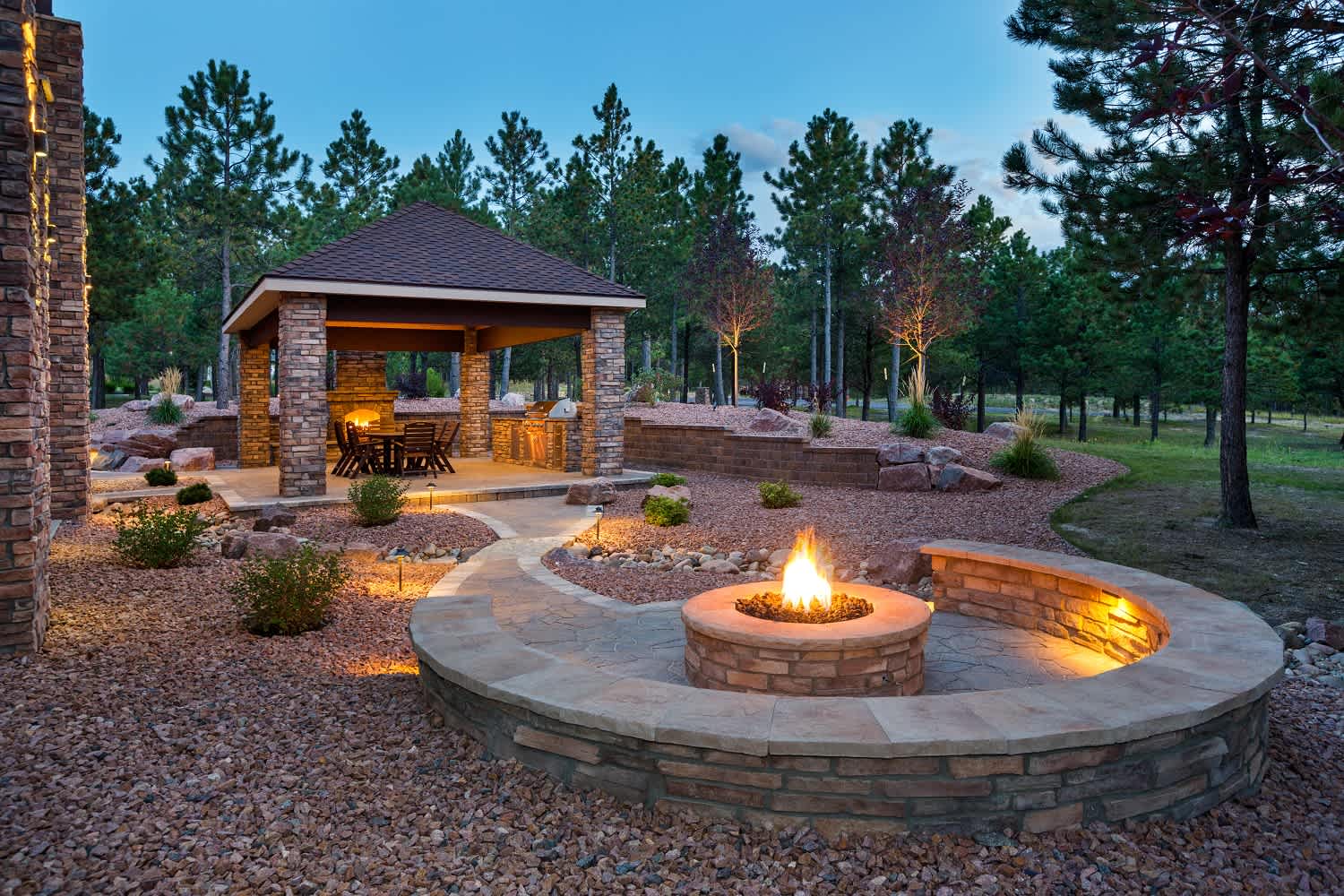








Top-rated fire pit installation pros.

Get matched with top fire pit installation pros in Weston, FL

Enter your zip and get matched with up to 5 pros

Need a pro for your fire pit installation project in Weston, FL?

Select your specific project to find the pro for you.

TRUSTED BY WESTON, FL HOMEOWNERS

  • Average homeowner rating star icon4.6
    Average homeowner rating
  • Verified reviews icon998
    Verified fire pit installation services reviews

Find Fire pit installation pros in Weston

No results for Fire pit installation pro in

Try adjusting your search criteria.
Fire Pit Installation questions, answered by experts

Yes, a dead outlet can be dangerous and may cause a fire. The lack of power can be due to a hazardous electrical issue that poses a fire risk. If you notice a burning smell, discoloration, or sparks from a non-working outlet, it is a serious issue. It is vital to have a professional electrician investigate and fix the problem as soon as possible.

A smoke alarm that beeps periodically, often every 30 to 60 seconds, usually indicates a low battery. The first step is to replace the battery. If this doesn't solve the problem, try resetting the alarm. However, beeping can also signal other issues, such as dust buildup in the sensors or the unit reaching the end of its life. Different beep patterns can mean different things; for example, multiple beeps might indicate an issue with a combination carbon monoxide detector, while a continuous, loud alarm means smoke has been detected. If a new battery doesn't stop the beeping, it's best to consult your alarm's manual, call a professional, or replace the unit.

You should never block both the top and bottom of your chimney. Proper airflow is essential because the temperature inside the chimney will still fluctuate as your house warms and cools. Moisture can build up without ventilation, leading to dampness in your walls over time. Blocking the top prevents debris and animals from entering, but the chimney still needs air circulation to avoid condensation issues. Allowing the chimney to breathe maintains the health of your home and prevents long-term damage.

Generally, an oil furnace is considered safer than a gas furnace for several reasons. While both types of furnaces can produce carbon monoxide, a leak in an oil furnace is easier to detect due to the smell. Oil furnaces also don't connect to a gas pipeline, which reduces the chance of a fuel leak. Most importantly, heating oil is not combustible, whereas natural gas is highly flammable. This means there is a much lower risk of combustion or explosion with an oil furnace. However, an oil furnace can still pose a fire hazard if it tips over.

It’s technically possible in some areas to install your own fire suppression system, but it’s usually not a good idea. Your system must conform to the fire code in your area and will need to pass a rigorous inspection before being activated and deemed safe. Installing a fire suppression system is a complicated job, and making mistakes as a DIYer is likely. Those mistakes can cause you to fail your inspection, which means you’ll have to spend more time fixing the issues or money to have a certified plumber do the work for you. It’s best to hire a professional.

The Weston, FL homeowners’ guide to fire pit installation services

From average costs to expert advice, get all the answers you need to get your job done.