

Top-rated drywall pros.

Get matched with top drywall pros in Palm Coast, FL

Enter your zip and get matched with up to 5 pros

Need a pro for your drywall service project in Palm Coast, FL?

Select your specific project to find the pro for you.

TRUSTED BY PALM COAST, FL HOMEOWNERS

  • Average homeowner rating star icon4.7
    Average homeowner rating
  • Verified reviews icon92
    Verified drywall services reviews

Find Drywall pros in Palm Coast

Berkhous Drywall & Construction Company
4.8(
60
)
Drywall - Repair

Serving Palm Coast, FL and surrounding areas

Approved

In business since 1980

Free estimates

Credit card accepted

"Jerry did an amazing job for me. I needed extensive drywall repair and I decided to hire a drywall pro who also did painting rather than a painting pro who also did drywall. He did a flawless job of drywall repair and texturing and painting. He did extra work to complete the job but only charged me the original estimate. I am100% satisfied."
Response time1 day
13 neighbors recently requested a quote
Recommended by100%of homeowners
Avatar for Gorilla Cookie Construction
Gorilla Cookie Construction
4.9(
15
)
Drywall - InstallDrywall - Repair

Serving Palm Coast, FL and surrounding areas

Approved

In business since 2018

Free estimates

Emergency services offered

"Very knowledgeable, Friendly and prompt. I asked for more of his Business Cards to give out to neighbors. We will hire him again. He did a great job on our roof project. Thanks Debra and Roger"
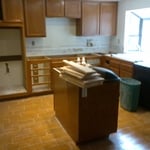
Kitchen remodel
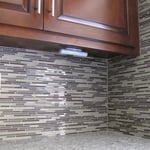
Tile Backsplash
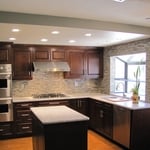
Kitchen remodel
Fireplace
Fireplace Top

+15

Response time5 hrs
Recommended by100%of homeowners
Avatar for DMR Colorvisions PRO, LLC
DMR Colorvisions PRO, LLC
4.9(
29
)
Drywall - InstallDrywall - Install - For Business

Serving Palm Coast, FL and surrounding areas

Approved

In business since 2011

Free estimates

Credit card accepted

"Very professional with excellent work... I will not call them for future projects... After they cleaned and left, we found paint and drywall compound on furniture and artwork... some were difficult to clean!"
Response time1 day
5 neighbors recently requested a quote
Recommended by92%of homeowners
...
Showing 1-10 of 206
Drywall questions, answered by experts

Yes, it is possible to rewire a house without removing the drywall, but this doesn’t work in all homes. You can pull out old wires and insert new ones if you have access to the wiring system via the ceiling or through a crawl space. Some pros can also use a magnetic kit to fish the old wire out of the wall through a hole cavity and install the new wires. Just keep in mind that doing this is less stable than removing drywall, as you won’t be able to staple the wires into the framing.

You should stagger drywall sheets to help prevent cracking. The joints between drywall sheets are the weak spots, so if you install drywall with seams aligned, you’ll create weak lines that run across the length of the wall and extend from floor to ceiling. But when you stagger drywall, the solid sections of panels will support the joints. This can prevent seams from cracking or separating due to fluctuating temperature and humidity, vibrations from movement inside the home, and gravity.

It’s less costly to drywall a fireplace than shiplapping it since material costs are higher for shiplap. However, if you’re DIYing the project, shiplap is less expensive since you won’t have to pay for labor. With drywall, getting a smooth finish is difficult unless you’re a pro. Shiplap is ideal for an accent wall or unique space, such as around a fireplace, since it adds texture and gives off a cozy vibe.

You should leave a gap between drywall sheets because they naturally expand and contract along with the building framing as temperature and humidity change. Most pro drywall installers leave a gap of about ⅛ inch between drywall sheets, allowing the sheets to expand, contract, and shift without cracking or becoming damaged. If you don’t leave enough gaps between slabs, the edges will press against each other when they expand, and the pressure can cause visible cracks.

Although they are used for similar tasks, spackle and joint compound are not the same. Joint compound, also known as drywall mud, consists of limestone and gypsum and is primarily used for large-scale projects like taping and finishing seams on new drywall. Spackle is composed of gypsum and binding agents, making it a thicker compound best suited for small wall repairs like filling nail holes or cracks, as it dries quickly and is easy to sand. For small repairs, either product can be suitable. However, you can use joint compound for small jobs in place of spackle, but you cannot use spackle for large-scale taping and mudding projects.

The Palm Coast, FL homeowners’ guide to drywall services

From average costs to expert advice, get all the answers you need to get your job done.