







Top-rated mold testing and remediation specialists.

Get matched with top mold testing and remediation specialists in Pace, FL

Enter your zip and get matched with up to 5 pros

Need a pro for your mold testing and remediation project in Pace, FL?

Select your specific project to find the pro for you.

Find Mold testing and remediation specialists in Pace

Avatar for Wiregrass Waterproofing LLC
Wiregrass Waterproofing LLC
5.0(
1
)

Serving Pace, FL and surrounding areas

Approved

Free estimates

Warranties offered

Small jobs welcome

"Went over and above and was the most responsive knowledgeable expert I’ve ever dealt with. He did the work right the first time. He delivered. I’d most definitely use him again"
6 neighbors recently requested a quote
Florida Mold Removal Service Group
5.0(
7
)

Serving Pace, FL and surrounding areas

Free estimates

Emergency services offered

Credit card accepted

"Chris is very professional at what he does and very knowledgeable when it comes to mold remediation. He was able to identify my problem with mold and took care of it right away. I will definitely use him and his company again in the future and I also will recommend him to anyone I know. Thank you Chris for a job well done and for being such a polite friendly person. It is hard to find people like you who are honest and true."
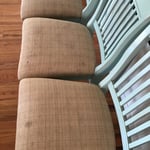
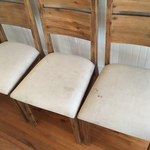
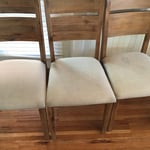
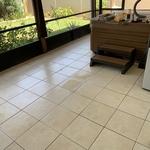
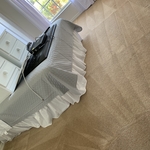
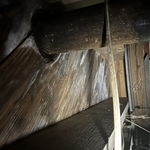
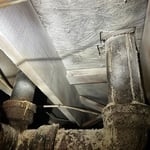
Mold Remediation Project
Additional Photos
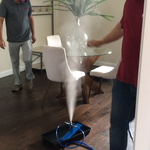
Additional Photos
Additional Photos

+2

Recommended by100%of homeowners

Avatar for SD3 Environmental, LLC
SD3 Environmental, LLC
4.9(
19
)

Serving Pace, FL and surrounding areas

In business since 2008

Free estimates

Credit card accepted

"Made me believe there are true honest people still in the world today. They were up front and saved me a lot of money. Informative. I will use them for all services I can in the future and recommend them to others."
Response time11 hrs
Recommended by94%of homeowners
Showing 1-10 of 39
Mold Testing and Remediation questions, answered by experts

Black mold and wood rot are both types of fungi that thrive in damp areas, but they are distinct issues with different consequences. Wood rot specifically refers to the decay of wood caused by fungi, which compromises the wood's structural integrity. Black mold, on the other hand, is a fungus that grows on the surface of materials, including both rotting and non-rotting wood. The primary difference is their impact: wood rot affects the wood's structure, while toxic black mold is a health hazard. Inhaling black mold spores can cause severe respiratory issues, whereas wood rot spores are generally not harmful to people. Because mold can grow on rotting wood, the two issues can be interconnected, but they are not the same.
In some cases, black stains on brick are caused by organic substances like algae and mold. However, it's more likely that the black spots you're noticing on your bricks come from carbon from vehicle exhaust or soot. Black stains can usually be removed by scrubbing the brick with a brush and masonry cleaner or power washing.

Using bowls of water for humidity can be an effective way to increase the humidity level in a room, but it's essential to consider potential risks. Placing bowls of water near heat sources might pose a hazard as they could spill, causing damage or creating slip hazards. Moreover, stagnant water can become a breeding ground for bacteria or mold (you really want to get rid of black mold stat) if not changed regularly, potentially negatively affecting indoor air quality. Water bowls can also accidentally spill onto surfaces, causing water damage to furniture or flooring. Regular maintenance and cautious placement can mitigate these risks.

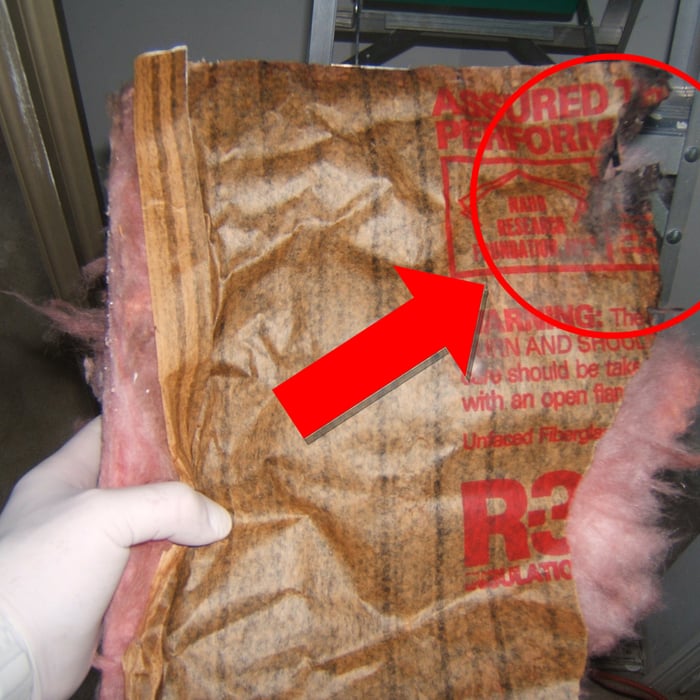
Most of the health problems associated with exposure to fiberglass insulation are short-term in nature. You may suffer from minor and temporary skin or eye irritation if you come into contact with it, and you may experience some sneezing, coughing, or breathing issues if you inhale fiberglass. Those with asthma and allergies may suffer more and longer. Though fiberglass was once a suspected carcinogen, there’s now no good evidence that exposure to fiberglass can cause lung cancer.

If you find black residue in your toilet tank, chances are it’s caused by manganese deposits from hard water and not mold growth. You can prevent these deposits from damaging your toilet by installing a water softener in your home, which also might improve the quality of your drinking water. You can also remove the deposits inside your toilet tank once every six months or so to prevent them from causing problems with toilet functionality.

The Pace, FL homeowners’ guide to mold testing and remediation services

From average costs to expert advice, get all the answers you need to get your job done.