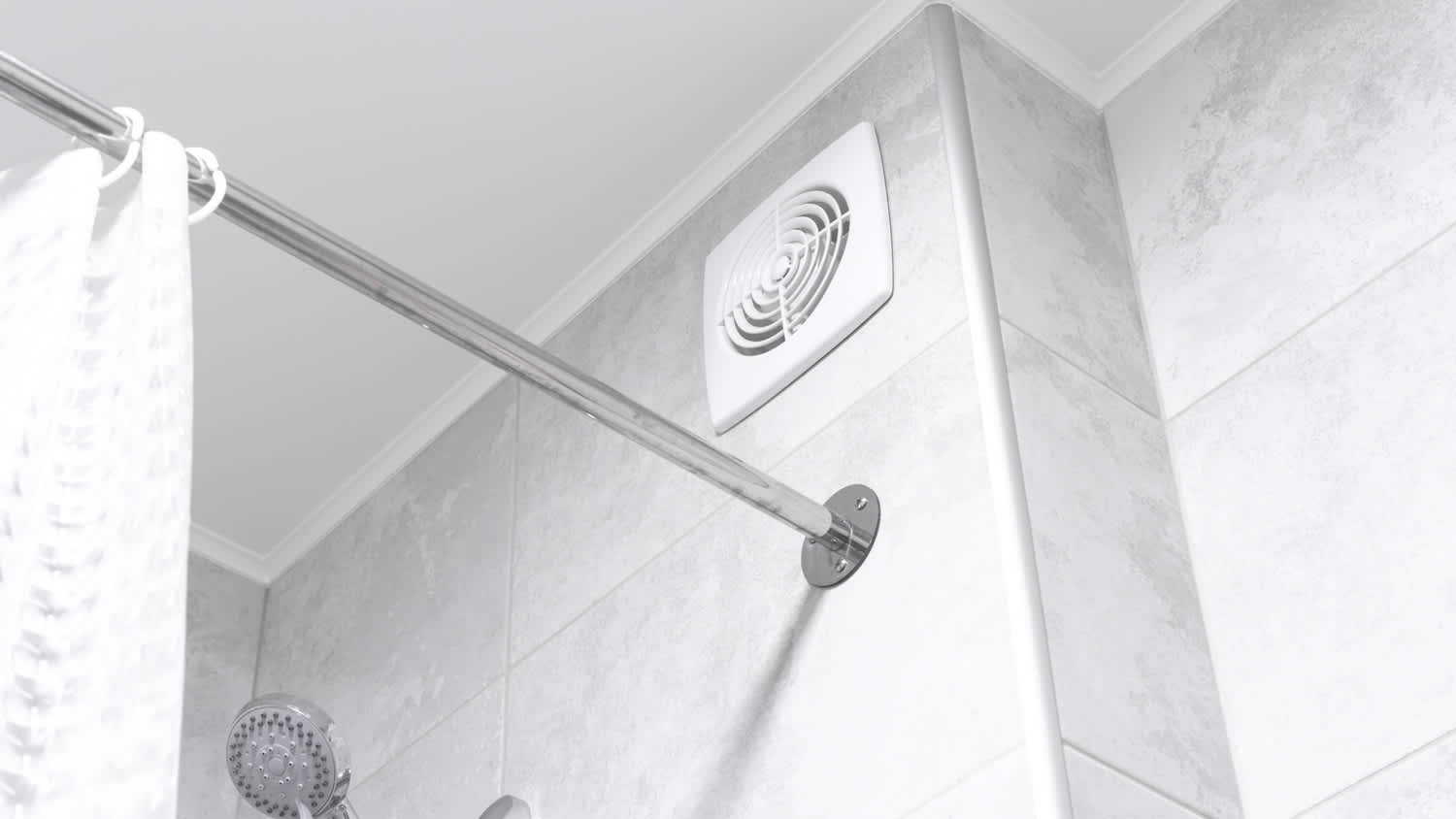









Top-rated bathroom fan installation pros.

Get matched with top bathroom fan installation pros in Melbourne, FL

Enter your zip and get matched with up to 5 pros

Need a pro for your bathroom fan installation project in Melbourne, FL?

Select your specific project to find the pro for you.

TRUSTED BY MELBOURNE, FL HOMEOWNERS

  • Average homeowner rating star icon4.5
    Average homeowner rating
  • Verified reviews icon1.6k+
    Verified bathroom fan installations reviews

Find Bathroom fan installation pros in Melbourne

Avatar for Deering Electric, Inc.
Deering Electric, Inc.
4.6(
282
)
Bath Exhaust Fan - Install

Serving Melbourne, FL and surrounding areas

In business since 2000

Free estimates

Emergency services offered

"Mark was fantastic to work with. He was willing to work me into his work day on the day I spoke to him. He called ahead to let me know he was on his way as requested because I have dogs. He got to work as soon as he arrived and had 3 ceiling fans installed in about an hour (maybe less). He was very friendly & professional and I will be recommending him to neighbors."
Untitled Gallery 1
Untitled Gallery 1
Response time1 day
Recommended by97%of homeowners
...
Showing 1-10 of 140
Bathroom Fan Installation questions, answered by experts

The most efficient ceiling fan height is 8 to 9 feet from the floor to the fan blades. For ceilings higher than 9 feet, a downrod can be used to lower the fan to the optimal height. This positioning ensures adequate air circulation and maximizes the cooling effect. Remember, fans should be installed at least 7 feet above the floor for safety.

Regularly clean fan grilles, check for dust buildup, and ensure proper venting to prevent mold growth.

A small wobble isn’t worrisome, especially when you’re using your fan at top speed, but a significant one is. Ball joint fans, which are used on sloped ceilings, are more likely to wobble than a standard fan based on their design. But even then, you shouldn’t see significant wobbling, as this can be a sign of a bad installation.

Most duct booster fans are not designed to run continuously, though some models can be programmed for constant operation. Typically, they are controlled by the user via a switch, controls on the unit itself, or by being wired to the HVAC system's thermostat. Wiring the fan to a thermostat allows it to run automatically only when heating or cooling is active, which saves energy and is an effective way to activate the fan only when needed to address issues like uneven room temperatures.

Before committing to this new project, you’re likely weighing the pros and cons of attic fans. The good news is that typical roof vents can only ventilate 150 to 300 square feet per unit, whereas a single attic fan can circulate enough air to vent an entire attic. By moving large volumes of air within and out of the attic space, an attic fan can lower the temperature by 15 to 40 degrees Fahrenheit and reduce moisture to prevent mold and mildew.

The Melbourne, FL homeowners’ guide to bathroom fan installations

From average costs to expert advice, get all the answers you need to get your job done.