




Top-rated septic tank pros.

Get matched with top septic tank pros in Cedar Key, FL

Enter your zip and get matched with up to 5 pros

Need a pro for your septic tank service project in Cedar Key, FL?

Select your specific project to find the pro for you.

Find Septic tank pros in Cedar Key

Avatar for Ocala Septic LLC
Ocala Septic LLC
New to Angi
Septic System - RepairSeptic System - Install or ReplaceSeptic System - Install or Replace - For Business+1 more

Serving Cedar Key, FL and surrounding areas

Approved

In business since 2022

Free estimates

Warranties offered

Cameron Environmental is a locally owned septic company providing affordable, innovative, and environmentally responsible solutions throughout Central Florida. With more than 20 years of industry experience, our trained professionals understand the unique septic needs of local homeowners, businesses, and contractors.\n\nWe offer a wide range of services, including septic system installations, inspections, consultations, permitting, and project coordination. Our company is built on integrity, dependable workmanship, and courteous customer service.\n\nFree estimates are available, along with discounts for veterans, first responders, teachers, and seniors.

9 neighbors recently requested a quote

Payless Septic / Sewer and Drain Corp.
3.2(
3
)
Septic System - Install or ReplaceSeptic System - Install or Replace - For BusinessSeptic System - Repair+3 more

Serving Cedar Key, FL and surrounding areas

In business since 1980

Free estimates

Credit card accepted

Welcome to Payless Septic & Plumbing. As a home or business owner, you have probably had a septic issue interrupt your day to day life at least once. Has your restaurants grease tank caused a back-up? Has your homes septic tank relocated to your lawn? Have your sump pumps contents taken up residence on your basement floor? The only solution you need to get your drains running smoothly again is Payless Septic & Plumbing. We offer over 30 years of experience in the septic industry to fix all your septic problems the right way, the very first time. Contact us today for fast and reliable service.

Response time1 hour
Recommended by100%of homeowners
Septic Tanks questions, answered by experts

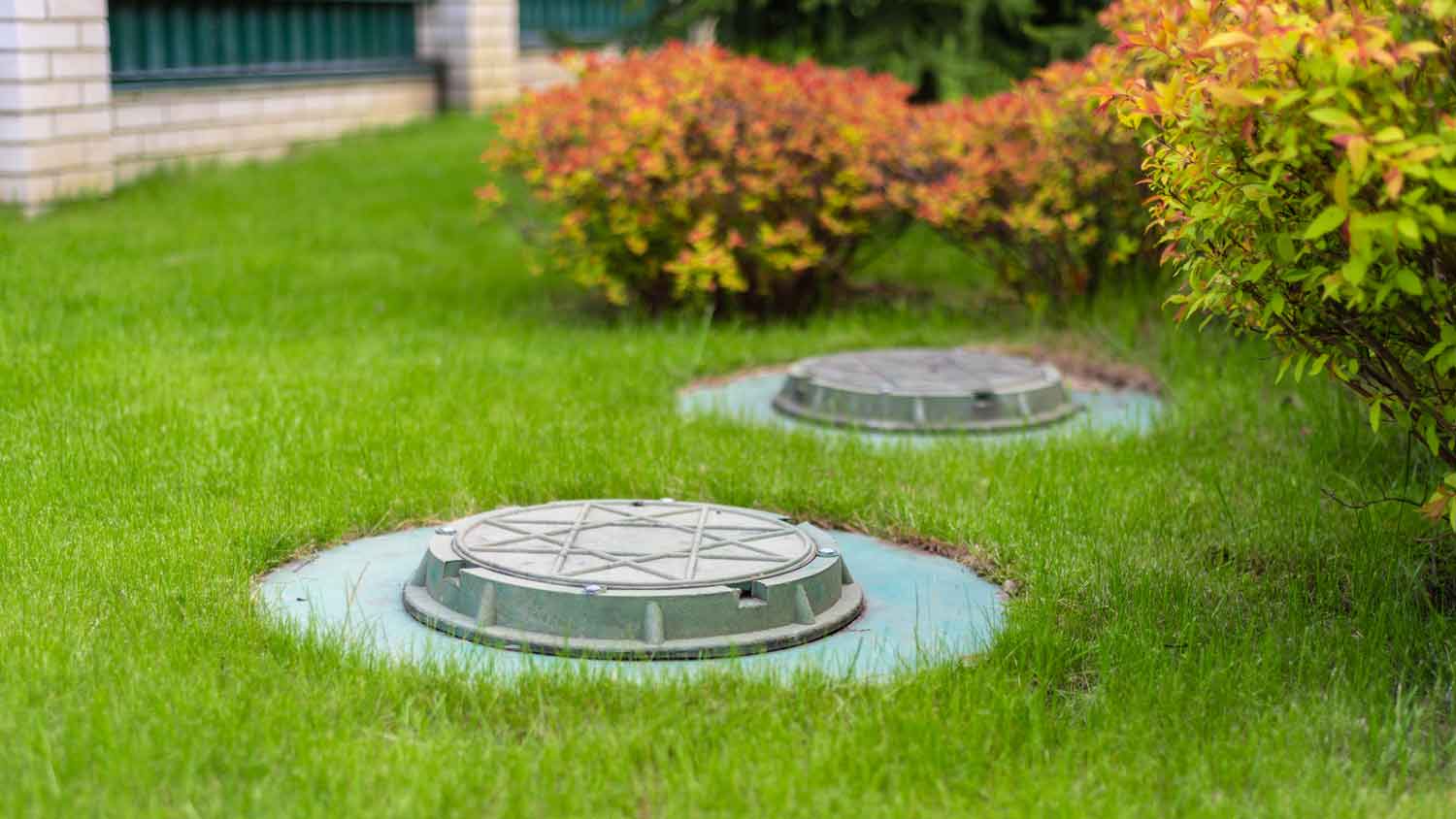
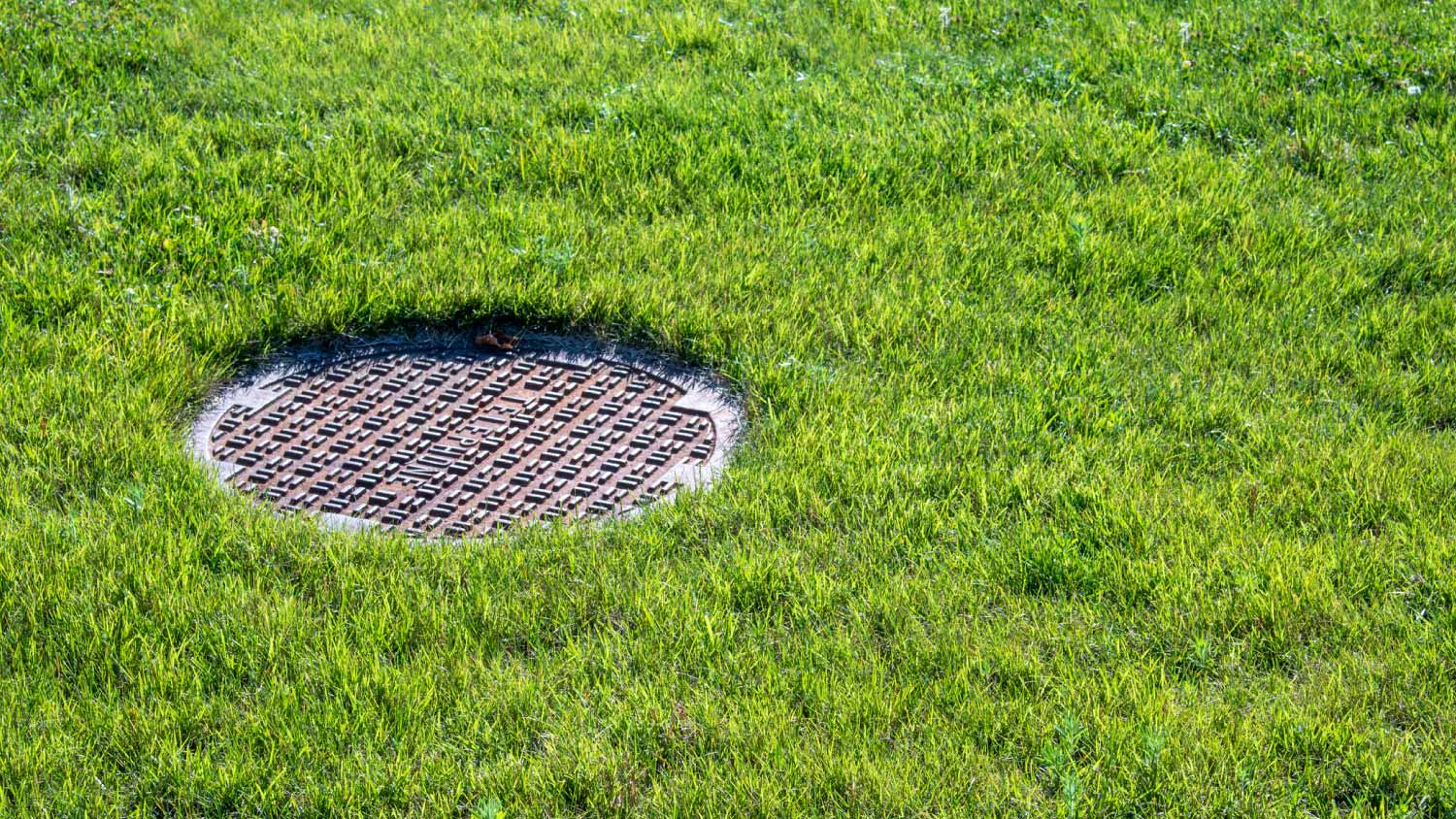
Septic tank lids may or may not be buried in a yard. Most lids are buried at least 4 inches deep unless you have an aerobic septic system. Aerobic septic systems need frequent cleanings, about every four months, so it’s best to leave these lids aboveground for easier access. For buried lids, homeowners can use risers that make it easier to locate and access a buried septic tank lid.

Unfortunately, yes. If your well pump continues working when the flow of water is completely blocked, the motor will burn up. The energy has nowhere to go, thanks to the blockage, so it turns inward. The end result? A ruined well pump and a depleted bank account (once you shop for a replacement.) 

Over time, your septic tank can accumulate a buildup of sludge at the bottom of the tank. If left unpumped and uncleaned, the sludge will back up into your pipes and home, causing failure and extensive (and smelly) damage. Repairs to your septic system can be costly, which is why regular maintenance is required. It takes about 30 minutes to pump a septic tank that’s 1,250 gallons or less or 1 hour for larger varieties.

Yes, shower water goes into the septic tank. Shower water is a type of greywater, and in fact, all water used in a home with a septic system—including water from sinks, toilets, the dishwasher, and the washing machine—drains into the tank. When shower water enters the tank, debris like soap and hair travels with it. The solid debris sinks to the bottom to become sludge, while soap residue joins the scum layer at the top. The remaining water is treated in the tank before moving to the drain field for further treatment and dispersal. It is important to avoid putting oil or harsh chemicals down any drain, as they can cause clogs or disrupt the beneficial bacteria required for proper wastewater management in the septic system.

The pressure in a well pressure tank should be set 2 to 3 PSI below the pump's cut-on pressure. The cut-on pressure is the lower number in the pressure setting (e.g., the '30' in 30/50 PSI) and is the point at which the pump starts. The cut-out pressure is the higher number, where the pump stops.

For example:

  • If your pressure switch is set to 30/50 PSI, the tank pressure should be 27-28 PSI.

  • If your pressure switch is set to 40/60 PSI, the tank pressure should be 38 PSI.

Common pressure settings for household applications include 20/40, 30/50, and 40/60 PSI. The difference between the cut-on and cut-out pressure is typically 20 PSI.

The Cedar Key, FL homeowners’ guide to septic tank services

From average costs to expert advice, get all the answers you need to get your job done.