





Top-rated radon detection and reduction specialists.

Best radon detection and reduction specialists near Claymont, DE

Enter your zip and get matched with up to 5 pros

Need a pro for your radon detection and reduction project in Claymont, DE?

Select your specific project to find the pro for you.

Top-Rated Radon detection and reduction specialists in Claymont - Updated Nov 2026

Avatar for Mid Atlantic
Mid Atlantic
4.9(
18
)
Radon Gas - Testing

Serving Claymont, DE and surrounding areas

In business since 1985

Free estimates

Emergency services offered

"Chris Barcikowski was on time, cordial, professional and spent a reasonable time checking our home issues. He provided us with recommendations on the action to take to solve the water standing inside the air ducts. He did testing for possible mold conditions and siad the results should be ready for us by this Friday, 9/12.."
Crawl Space
Crawl Space
Crawl Space
Crawl Space
Recommended by100%of homeowners
Radon Detection and Reduction FAQs, answered by experts

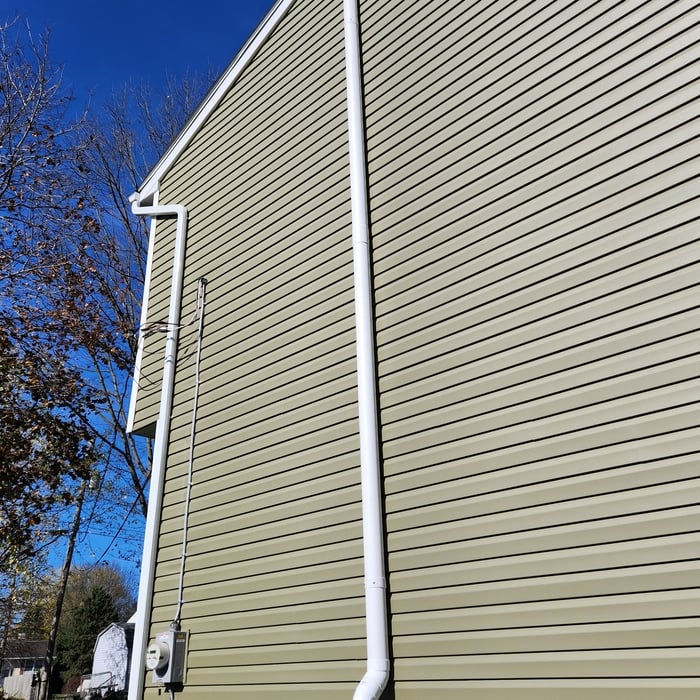
If high radon levels are detected, steps include sealing entry points, installing a mitigation system, and retesting the air regularly to ensure reduced levels.

Radon detection is crucial as prolonged exposure to radon gas, a leading cause of lung cancer, poses significant health risks in residential environments.

Mitigation reduces radon levels, protecting your health and complying with safety standards.

The average radon mitigation system uses about 876 kWh of electricity per year, although the exact amount of electricity used will vary depending on the size of the radon fan. Once the system is installed, the annual increase to your energy bill could range from $30 to $300 per year, again depending on the size of the fan.

Keeping radon from getting into your home is much better than having to get rid of it once it's already indoors. While there may not be a way to fully prevent radon from getting into your home, there are things you can do to reduce the gas's ability to enter. 

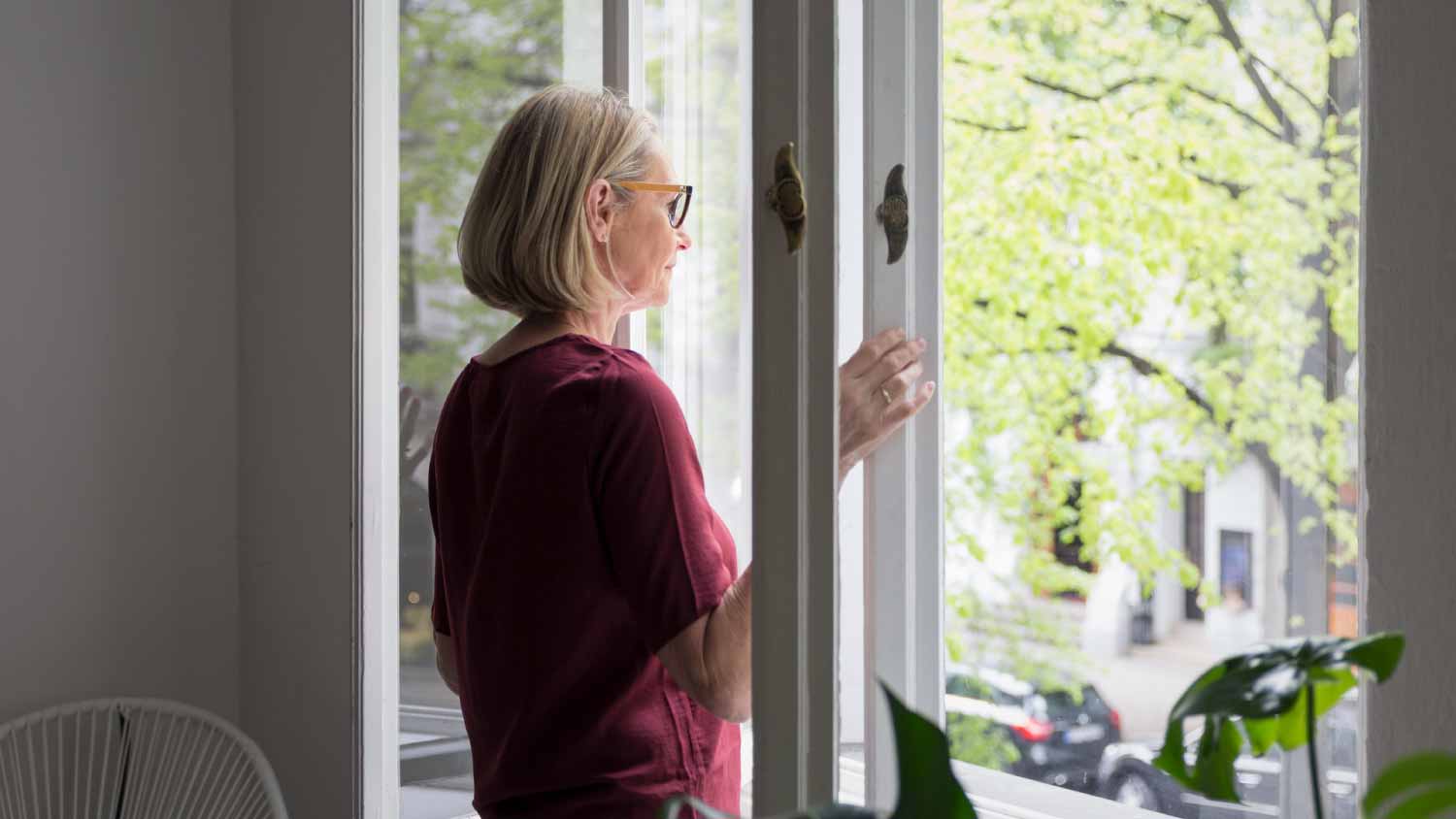
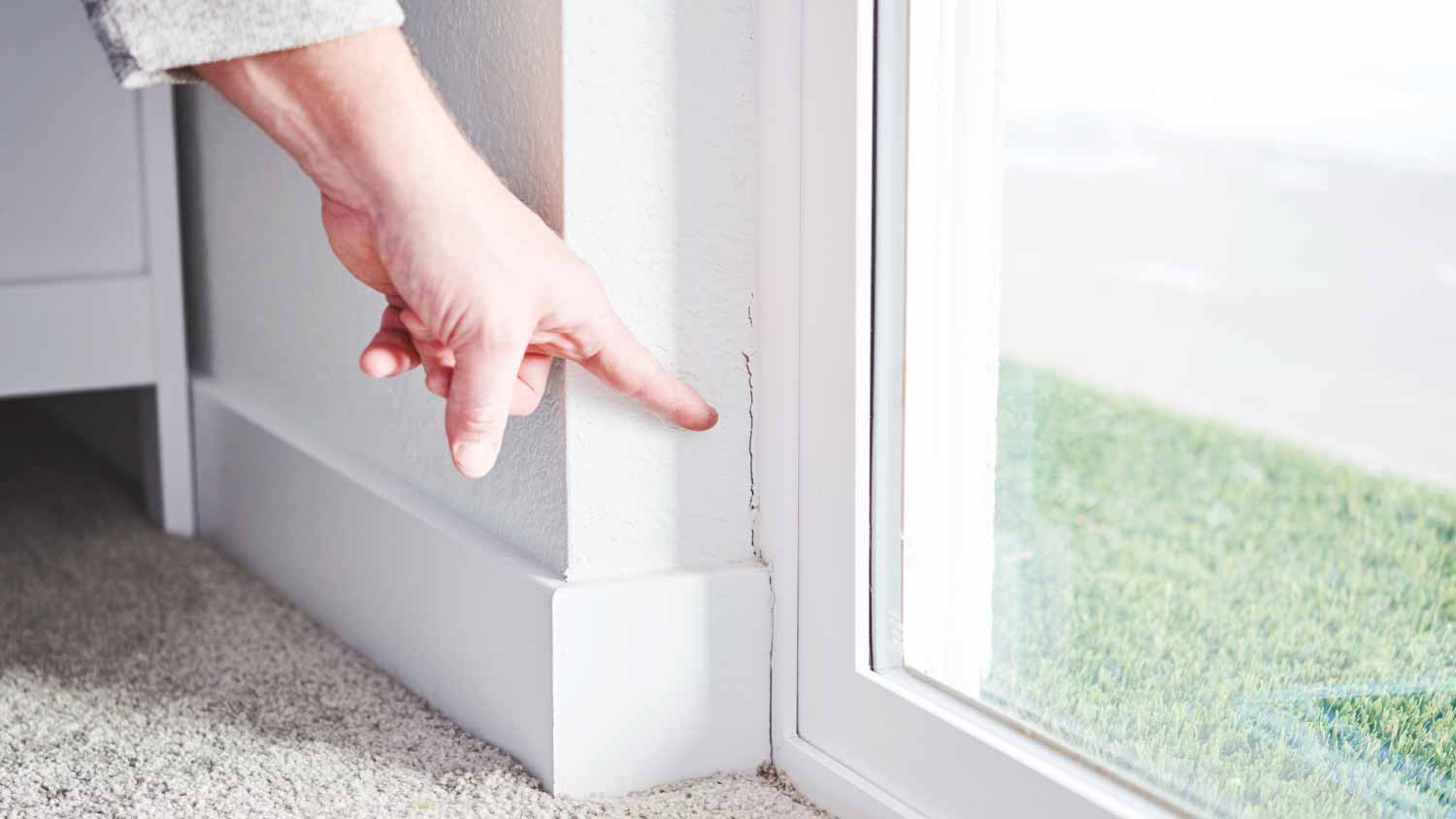
Sealing foundation cracks and openings can help keep the gas from seeping inside. Improving air flow, such as by opening windows, can also be helpful. If you're building your home from scratch, talk to your contractor about using radon-resistant construction to keep the gas out.

The Claymont, DE homeowners’ guide to radon detection and reduction services

From average costs to expert advice, get all the answers you need to get your job done.