


The cost to move a 4-bedroom house depends on home size, distance, and whether you hire movers. Learn the necessary costs before moving long distance.
Moving costs depend on your project and location. Check with a local pro for your specific job.

Cross-country moving costs range from $2,388 to $6,868, with a national average of $4,566, depending on your home size and distance.
Distance and weight are the two biggest factors that change your total, with coast-to-coast moves costing the most for your relocation.
Don't forget to budget for packing supplies, storage, moving insurance, and specialty items like pianos or antiques.
Hiring a local moving company provides reliable help with heavy lifting and travel logistics, saving you time and effort.
In 2026, the national average cost to move across the country is $4,566, based on data from 6,434 verified projects reported by Angi Pros. Most homeowners pay between $2,388 and $6,868, with the spread driven primarily by the distance of the move, the total weight of your belongings, and the size of your home.
Planning a cross-country move means accounting for several cost factors that together determine your final price. Distance and weight are the two biggest drivers, but home size, transportation type, and timing all play a role as well. Understanding each factor before you request quotes helps you build a realistic budget and avoid surprises on moving day.
My architecture firm used White Glove to assist with delivery and logistics for a couple of furniture pieces that we imported from Portugal for a Manhattan project. They were responsive and diligent with the necessary steps for insurance, coordination and delivery to an Upper East Side apartment building. Where they really shined for us was when one of the pieces arrived with damage from shipment: for a very reasonable fee, White Glove performed a full restoration right away that made it impossible to tell the incident had ever happened.
Distance is one of the most significant cost drivers for a cross-country move, with moves of several hundred miles costing up to $2,500 and coast-to-coast moves reaching up to $10,300. Most moving companies charge by the mile up to a threshold, after which mileage and transportation fees are bundled into a single flat rate—a structure that typically kicks in for moves over 100 miles.
Crossing state lines can add further costs, including permits, escorts for oversized loads, and toll fees. Urban start or end points can also push costs higher when trucks must navigate congested areas or park far from the home's entrance. Here is how distance affects full-service cross-country moving costs for a two-bedroom home:
| Moving Route | Full-Service Moving Cost in 2026 |
|---|---|
| East Coast to West Coast | $4,600–$10,300 |
| East Coast to South East Coast | $3,000–$8,000 |
| North East Coast to South East Coast | $3,000–$8,000 |
| South East Coast to West Coast | $4,700–$9,400 |
Home size directly affects your cross-country moving cost because larger homes mean more belongings, more weight, and more truck space. Studios cost the least to move across the country at an average of $700 to $3,000. Most moving and truck rental companies will ask for your home size when generating a price estimate.
Here is how average long-distance moving costs break down by number of bedrooms:
| Number of Bedrooms | Cost to Move Cross Country in 2026 |
|---|---|
| Studio/1 | $700–$3,000 |
| 2 | $1,000–$7,000 |
| 3 | $1,400–$8,000 |
| 4 | $1,800–$10,000 |
| 5 | $3,000–$12,000 |
| 6 | $4,000–$15,000 |
The transportation type you choose is one of the most direct ways to control your cross-country moving budget, since the more you handle yourself, the lower your cost will be. Moving containers are the most popular option at $700 to $3,200. Preparing for moving day is already stressful, and driving a truck, lifting heavy furniture, and managing cross-country logistics are tasks best left to professionals when your budget allows.
Here are the three main transportation options and their price ranges:
| Transportation Type | Average Cost in 2026 |
|---|---|
| Moving Rental Truck | $1,200-$2,100 |
| Moving Container | $700-$3,200 |
| Full-Service Movers | $1,400-$9,700 |
Weight is the second-largest cost driver for a cross-country move after distance, with movers charging an average of $0.50 to $0.80 per pound. Most companies will ask for a full inventory of your items—including the number of boxes—rather than relying solely on home size to estimate weight.
Exceeding a certain weight threshold can require a larger or second truck, which triggers a higher overall rate. Estimating weight accurately is best left to your movers and their itemized lists. However, the table below gives you a starting point of cross-country moving costs by the weight of your belongings:
| Weight of Belongings | Cost Range for Moving Across the Country in 2026 |
|---|---|
| 500 pounds | $250–$400 |
| 1,000 pounds | $500–$800 |
| 2,000 pounds | $1,000–$1,600 |
| 5,000 pounds | $2,500–$4,000 |
| 10,000 pounds | $5,000–$8,000 |
| 15,000 pounds | $7,500–$12,000 |
Building layout and parking access can add unexpected fees to your cross-country move. Movers often charge extra when they must carry items a long distance from the truck to your door—for example, when they have to park a block away from the entrance. Elevator use in apartment buildings and navigating multiple stairways can also trigger additional charges, so flag these conditions when requesting quotes.
If you hire full-service movers, packing supplies are bundled into your estimate, but many homeowners choose to pack belongings themselves to maintain control over how items are wrapped and organized. Buying your own supplies adds to your out-of-pocket costs, so it helps to know what to budget for each item before you head to the store. Costs for common packing supplies include:
Moving boxes (small): $1 to $2 per box
Moving boxes (large): $2 to $3 per box
Storage bins and crates: $5 to $30
Bubble wrap: $20 to $40
Additional packing paper and padding/peanuts: $10 per pack
Moving blankets: $10 to $20 per blanket
Packing tape: $2 to $4 per roll
Plastic bags or trash bags: $15 to $30 for larger packs
Markers for labeling: $1 to $2 per marker
Plastic wrap for furniture: $10 to $20 per roll
TV boxes: $10 per box
Hanging art boxes: $10 per box
Several professional add-on services can make a cross-country move smoother, though each one adds to your total cost. Knowing which services are available—and what they typically cost—helps you decide where to spend and where to save. Add-on moving tasks include:
Packing and unpacking: Moving companies provide add-ons for packing and unpacking belongings. Prices can vary: Some movers charge around $0.50 per pound for packing and unpacking, in addition to other weight fees.
Move-out cleaning: It's also common to add cleaning services for a whole-house clean as a move goes underway to prepare it for the next occupant. Hiring move-out cleaning services costs between $120 and $420.
Storage: Storage is very common for cross-country moves, and prices vary greatly depending on location and storage duration. Storage units cost around $100 to $450 per month for average storage needs, but can increase if special items (like sports cars) need additional protections. Movers may also charge extra if they have to make extra stops between homes and storage facilities.
Expedited moves: Expedited moves and rush deliveries are arranged on very short notice. Movers can handle these requests, but they will charge a hefty service fee which can rise to 50% of an average move cost or more.
Insurance: Moving insurance helps cover the cost of your belongings if they are damaged or lost. It's especially worth adding for long-distance moves because there's a greater chance of damage along the way. The price varies based on the amount of coverage you buy, but it usually costs 1% to 2% of your belongings' total value, which the moving company estimates by weight. If you're moving 10,000 pounds, expect insurance to cost around $600.
Specialty items like pianos, sheds, antiques, and mobile homes require separate moving services beyond a standard cross-country package. Arranging these services increases your total cost, but it also removes time-consuming and high-risk tasks from your plate. Here are the most common add-on services for long-distance moves:
Furniture assembly and disassembly: $35 to $90 per piece
Piano moving: $2.50 to $10.00 per mile
Moving a shed: Up to $2 per mile
Antique or fine art moving: $150 to $2,500 per piece
Moving a mobile home: $1,000 to $20,000
The timing of your move has a real impact on what you pay, with summer being the peak—and most expensive—season for cross-country relocations. Warm weather and school schedules drive demand up during those months, which means higher rates and less availability. Booking a winter move gives you access to the lowest rates of the year, and scheduling midweek rather than on a weekend can reduce costs even further.
Managing an entire cross-country move on your own might save some money on labor, but it means you'll be left to do all the packing and the heavy lifting. Moving takes a lot of time, and your time is valuable, especially when you're juggling packing and travel logistics with work, family, and other personal commitments. It's worth your peace of mind to hire a pro mover near you to tackle your cross-country move.
A DIY move saves money, but you'll still be spending some on transportation costs, like gas, tolls, and vehicle maintenance. Here's why it's better to work with professional movers for your cross-country move:
Experienced pros can do the heavy lifting faster and more easily.
Reputable companies are insured, so if things get lost or damaged in transit, you're covered.
You'll have help planning travel logistics.
You'll save your back and joints from injury.
You can pay extra for additional services, like packing.
When you arrive, you won't have to unload boxes, just unpack them—and some companies will even do that for you.
People DIY their moves every day, whether it's across town or to a different time zone. If you're ready to do it on your own, here's what you'll need to remember:
Driving the moving vehicle—whether your own or a rental—means added fuel and toll costs, as well as lodging for long drives.
You won't be prepared to deal with challenges and delays on the road like a pro.
You might drop or otherwise damage heavy furniture or valuable items.
You'll have to pay extra for your own moving insurance.
Travel logistics will be completely on you to plan.

Your cross-country move will inevitably put a dent in your wallet, but there are several ways to cut costs.
You can pack and unpack your home on your own instead of hiring professional help. Set a packing schedule that provides plenty of time to successfully pack your moving boxes and prepare your furniture for the big move. You could also enlist the help of family and friends to make the moving process quicker and more enjoyable.
Moving is the perfect opportunity to declutter your home. Be sure to throw out, recycle, or donate unwanted items since these will contribute to your project's total weight cost and add unnecessary clutter to your new home.
Before making a big trip to the store for packing supplies, look around your home and see if you can find useful items, such as cardboard boxes, crates, and Tupperware. Another clever item to use is suitcases. Instead of packing your suitcases, fill them. You can also request used moving boxes from grocery stores, hardware stores, liquor stores, and other places frequently using cardboard.
The weekends are a more popular time to move than the weekdays, so try to schedule your move during the week. Your moving service may also offer discounted rates for midweek moves. Also, consider moving during the off-season, such as the winter months. Moving companies usually charge you less when there is lower demand for their services.
Sometimes, homeowners and renters insurance policies cover moving insurance. To avoid double-paying to protect your items during the big move, review your insurance policy with a fine-toothed comb for additional savings. You can also contact your insurer to determine whether your current policy covers moving expenses.
Before hiring a company for your cross-country move, get at least three free quotes for the prospective service and compare the costs. While paying a reasonable price is important, you'll also want to consider the company's professionalism and reputation. You may decide that it's worth it to spend a bit more on a company that comes highly recommended.
There are many ways to get discounts on moving services. Some individuals may qualify for moving assistance programs, such as those with disabilities, senior citizens, and veterans. You can also ask your moving company if they offer any promotions or discounts. Sometimes, they may even be willing to negotiate by matching a lower quote you received from another company.
It's important to read the fine print carefully before entering a contractual agreement with a moving company. Look for any clauses that may result in hidden fees or a higher final cost. If there's any jargon you don't understand or extra costs you weren't aware of, clarify with your moving professional before signing.
Discuss payment terms, including the schedule, and whether the rate is locked in or if there will be extra charges.
Talk about insurance coverage and how to submit a claim if something is damaged.
Ask about specialty items, like heavy gym equipment.
Discuss potential moving day challenges—everything from parking to stairs and elevators.
Confirm pickup dates and the delivery window range.
Home is the most important place on earth, which is why Angi has helped more than 150 million homeowners transform their houses into homes they adore. To help homeowners with their next project, Angi provides readers with the most accurate cost data and upholds strict editorial standards. We’ve surveyed thousands of real Angi customers about their project costs to develop the pricing data you see, so you can make the best decisions for you and your home. We pair this data with research from reputable sources, including the U.S. Bureau of Labor Statistics, academic journals, market studies, and interviews with industry experts—all to ensure our prices reflect real-world projects.
Want to help us improve our cost data? Send us a recent project quote to [email protected]. Quotes and personal information will not be shared publicly.
I recently moved to another state and chose United Trust Van Lines after comparing several companies. Their team was punctual, professional, and extremely careful with my belongings. I was especially impressed with how they handled my home office setup and fragile items. Everything arrived on...
 United Trust Van Lines, LLC
Showed up on time and cleaned carpets well, but didn?t move furniture.
 Voda Cleaning & Restoration of Columbus
A reliable team for moves across state. My switch to a new place needed careful lifting through tight hallways. The movers checked the doorway first, then carried heavier pieces with slow, controlled movements. Their patience helped prevent damage, and I?d choose them again.
**Would rate a 0 if i could** NEVER USE THIS COMPANY!!!!! They shattered my tv console and dresser, lost a mirror, and never finished the move. The broken furniture cost me over $600 to replace. They left me with 6+ hours of personal labor moving my 1BR apartment, when I was quoted a FULL...
 All My Sons Moving & Storage
I could not have moved without the help of Jen Stover! I was in my house for nearly 20 years, so the thought of clearing it out while working full time was overwhelming. Jen takes great joy in sorting and organizing while asking the hard questions with patience and compassion. Jen is...
 Go and Stow Home Organizing
Couldn't have been a worse experience. 3 of my belongings were lost and 5 belongings were damaged. My furniture was clearly dragged across the ground. The movers couldn't move the furniture I paid extra heavy weight fees for so I had to help them move my own furniture. The manager gave me...
 US Interstate and Rail
Excellent experience for me! They helped me a lot with my move. very reasonable price. Good communication with the office manager is excellent.
 Goodview Moving and Storage
I was concerned about my possessions safety throughout the move but Bridge View Van Lines took all necessary security measures to make sure everything arrived in mint shape I am really appreciative of their effort and commitment They made my long distance move seem simple
 Bridgeview Van Lines
This moving company is the best in Columbus, Ohio! They rescued me when my movers didnâ t show up. Do not ever use Plane Movers! They never showed up for my move, claiming that I never signed the contract. They didnâ t call me to follow up, communication was awful. The people that work for...
 All My Sons Moving & Storage
Ozie and Tyquese were great and worked fast. It was a good move
 All My Sons Moving & Storage
From average costs to expert advice, get all the answers you need to get your job done.
The cost to move a 4-bedroom house depends on home size, distance, and whether you hire movers. Learn the necessary costs before moving long distance.

If you’re moving, you need to consider distance, weight, packing, and more. Our guide provides the average cost to move a 3-bedroom house long distance.
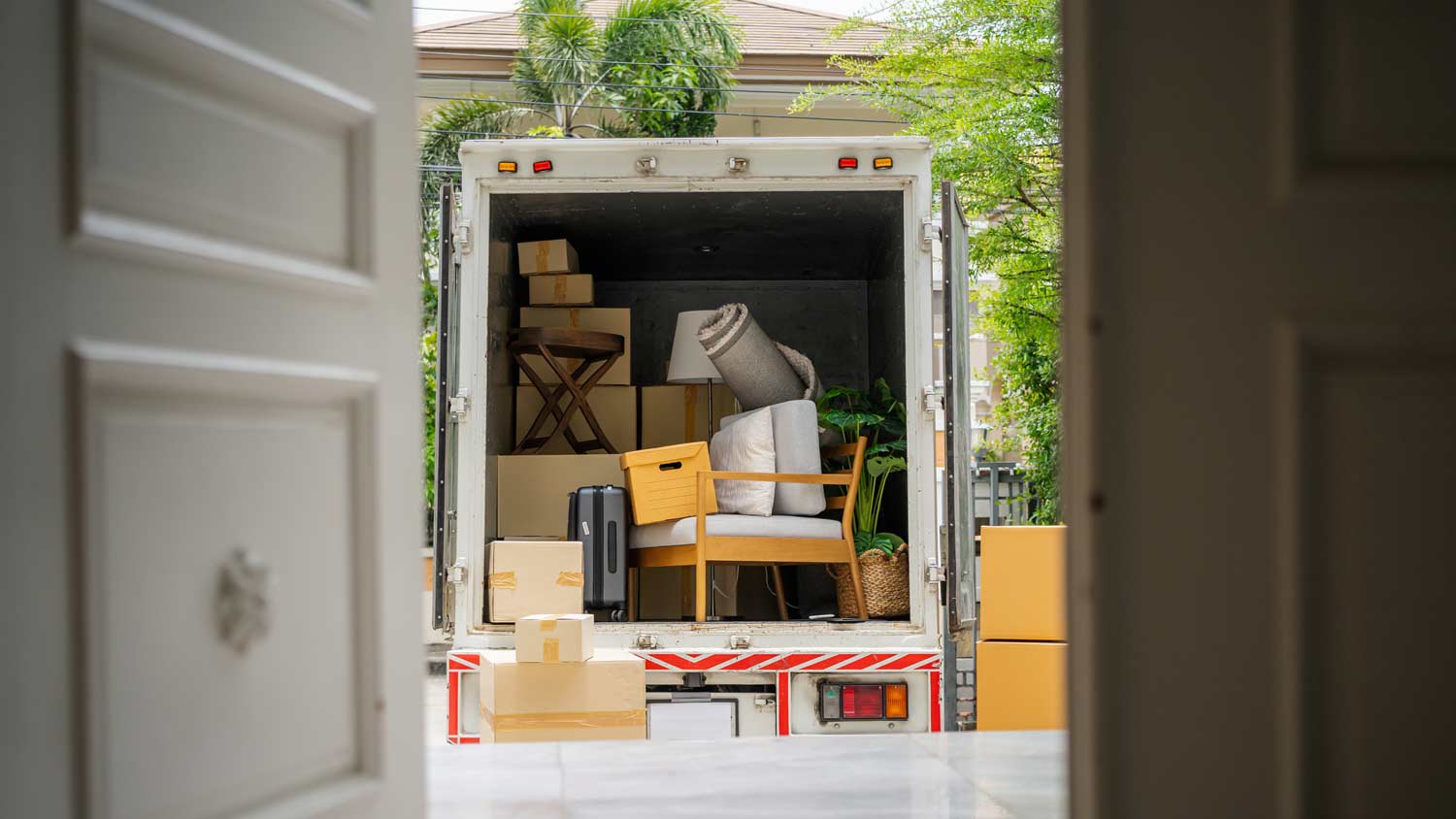
How much does it cost to move out of state? The answer depends on the size of your home, the distance of your move, and other factors.

Meta: Moving long distance can be stressful, but it’s much easier with the right interstate moving company. Read on to learn how to find long-distance movers.

Packing up and hauling your belongings to a new home is no easy feat, but these tips for long-distance moves will keep you on track.

If you’re planning a big move, this checklist can help make sure you don’t forget anything. Prepare for your cross-country move with this guide.