





Top-rated excavation pros.

Best excavation pros near Simsbury, CT

Enter your zip and get matched with up to 5 pros

Need a pro for your excavation project in Simsbury, CT?

Select your specific project to find the pro for you.

TRUSTED BY SIMSBURY, CT HOMEOWNERS

  • Average homeowner rating star icon4.8
    Average homeowner rating
  • Verified reviews icon21
    Verified excavation services reviews

Top-Rated Excavation pros in Simsbury - Updated Nov 2026

Avatar for SVL, LLC
SVL, LLC
3.5(
47
)
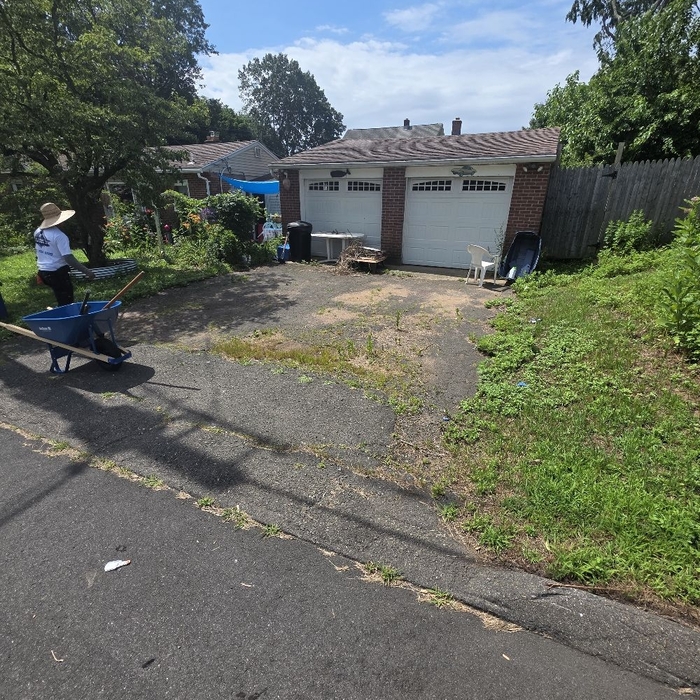
Excavation - Major Grading or Resloping - For Business

Serving Simsbury, CT and surrounding areas

Approved

In business since 2006

Free estimates

Emergency services offered

"Michael and his team (Mikey, Travis and Tony) were prompt, professional, knowledgeable and were able to adjust the project as it went along and recommended changes that were better for aesthetics. Friendly and truly cares about doing top quality work. Would recommend to anyone!"
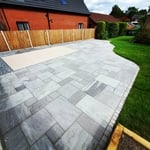
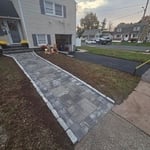
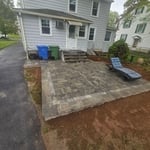
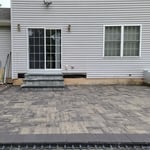
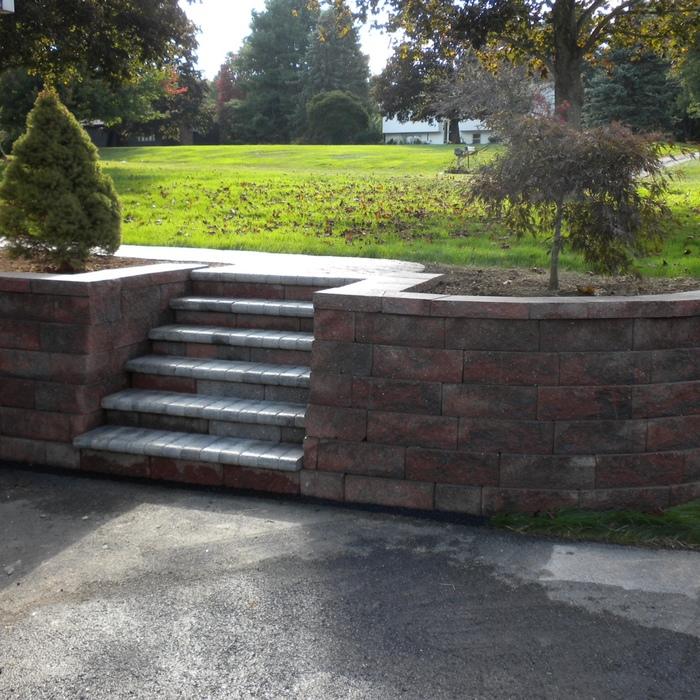
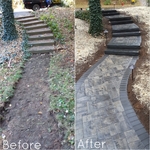
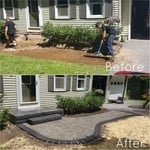
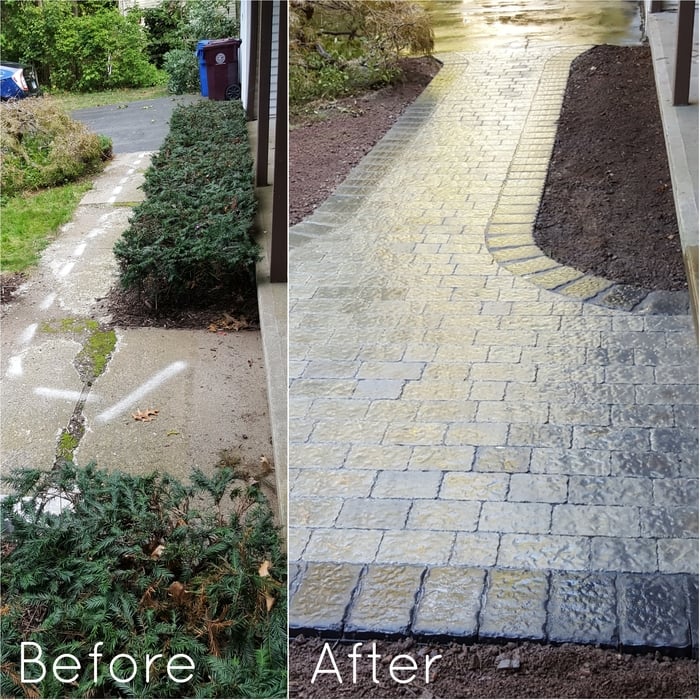
Stair walkway
Stair walkway
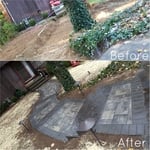
Walkway
Front walkway & stairs
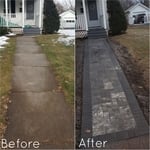
Front walkway

+57

Response time10 hrs
Recommended by96%of homeowners
...
Showing 1-10 of 104
Excavating FAQs, answered by experts

In the United States, a depth of 36 inches (three feet) for underground water lines is the accepted industry standard. This depth varies from location to location based on local conditions. In areas with colder winters, they may be buried deeper to prevent frozen well water pipes : This is usually at least six inches below the frost level. The International Plumbing Code calls for a minimum of 12 inches below grade.

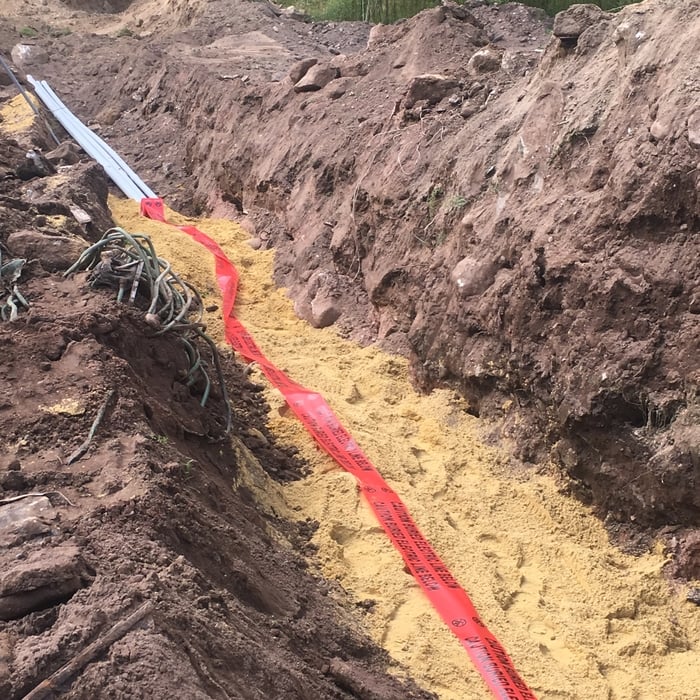
Trenching and boring are two distinct methods for installing underground utilities. Trenching involves digging a channel using equipment like an excavator, trencher, backhoe, or shovel. While it is a simpler process, it causes significant disruption to the surface, landscaping, and surrounding ecosystems.

Boring, also known as directional boring, is a less invasive alternative that uses a drill to create a tunnel for utility lines without disturbing the surface. This method is more precise and is ideal for installations that need to go underneath buildings, roads, or bodies of water. Although boring is less disruptive, it is generally more expensive than trenching.

Yes. A metal detector is one of the quickest and easiest ways to find your septic tank. However, metal detectors can be too expensive (costing upward of $300 in some cases), and not everyone has a metal detector just lying around. If that’s the case for you, you can also take a long metal rod and poke it into the ground at regular intervals until you hit something—likely your septic tank lid.

Whether you grind or dig up and remove your tree stump depends on your landscaping goals. Using a stump grinder leaves the root system in place for it to decompose over time, whereas digging up the tree stump removes the roots and the stump. Overall, stump grinding is a far simpler process since you won’t need to deal with the roots. Stump removal will make your yard look like a demolition site, but you’ll have an easier time replanting in the same place as your former tree.

A walk-behind trencher can cut through roots as long as they’re not too thick, making a project much easier than digging with a shovel and other hand tools. Assess your terrain and the number of trees in the surrounding area to determine if a walk-behind trencher will ease the job. Digging a trench by hand is much more time-consuming and labor-intensive. 

The Simsbury, CT homeowners’ guide to excavation services

From average costs to expert advice, get all the answers you need to get your job done.