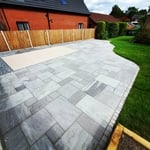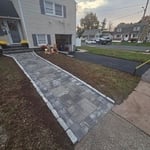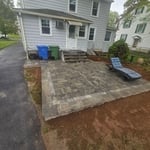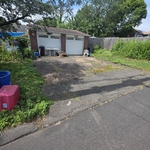





Top-rated excavation pros.

Best excavation pros near Collinsville, CT

Enter your zip and get matched with up to 5 pros

Need a pro for your excavation project in Collinsville, CT?

Select your specific project to find the pro for you.

TRUSTED BY COLLINSVILLE, CT HOMEOWNERS

  • Average homeowner rating star icon3.7
    Average homeowner rating
  • Verified reviews icon42
    Verified excavation services reviews

Top-Rated Excavation pros in Collinsville - Updated Nov 2026

Sunshine Environmental Services, Inc.
4.8(
7
)
Excavation - Major Grading or Resloping

Serving Collinsville, CT and surrounding areas

Approved

In business since 1986

Free estimates

Credit card accepted

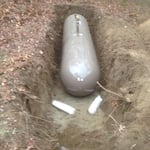
"I am very pleased with this company. Prompt initial response and quote. Prompt site inspection. The excavation of underground oil tank was performed within a week, as promised. The work was done expertly and quickly. The hole was filled and grass sowed in. The completely report was delivered by email within 48 hrs as promised. The invoice was in agreement with quote. Excellent work and pleasant crew. I recommend very highly."
Response time1 day
14 neighbors recently requested a quote
Recommended by100%of homeowners
Avatar for SVL, LLC
SVL, LLC
3.5(
47
)
Excavation - Major Grading or Resloping - For Business

Serving Collinsville, CT and surrounding areas

Approved

In business since 2006

Free estimates

Emergency services offered

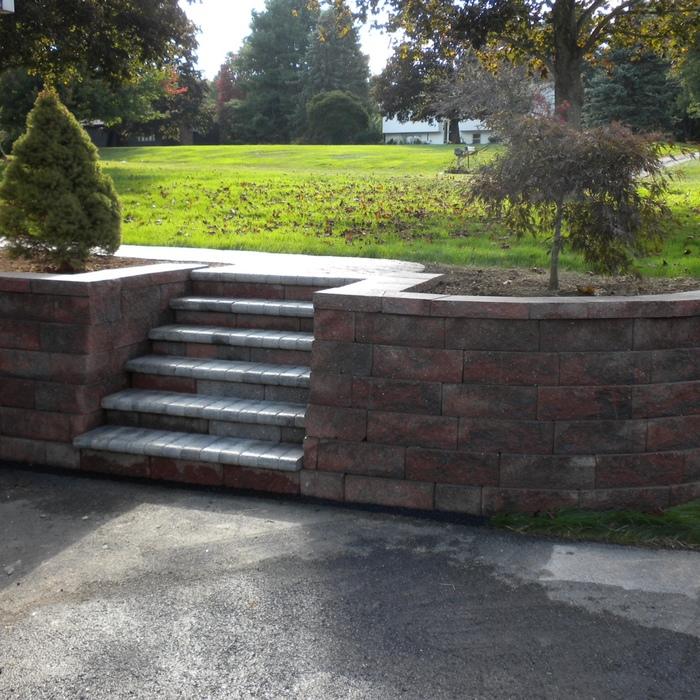
"Michael and his team (Mikey, Travis and Tony) were prompt, professional, knowledgeable and were able to adjust the project as it went along and recommended changes that were better for aesthetics. Friendly and truly cares about doing top quality work. Would recommend to anyone!"
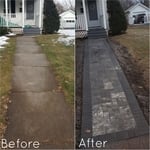
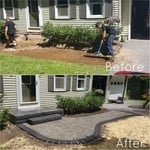
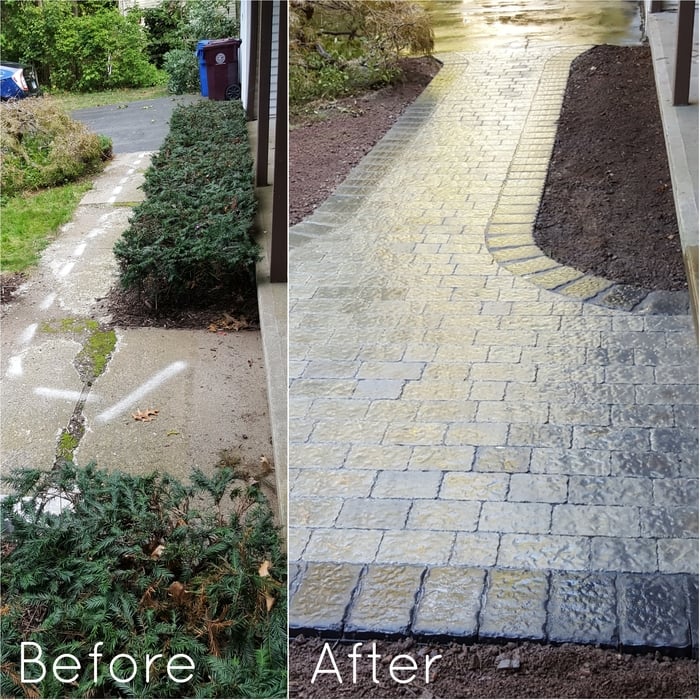
Stair walkway
Stair walkway
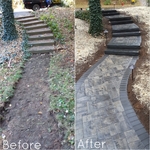
Walkway
Front walkway & stairs
Front walkway

+57

Response time10 hrs
Recommended by96%of homeowners
Avatar for Advanced Basement Waterproofing LLC
Advanced Basement Waterproofing LLC
5.0(
5
)
Landscape - Minor Grading or ReslopingExcavation - Major Grading or Resloping

Serving Collinsville, CT and surrounding areas

Approved

In business since 2024

Free estimates

Emergency services offered

We take great pride in our experience, expertise, quality, and customer service that we provide to meet the consumer's needs. \nIt is our mission to provide excellent workmanship and complete customer satisfaction, from the start to the completion of a project. \nIn order to understand the needs and expectations of our customers, we take great care to work and communicate with every customer \nin a professional manner. Our reputation is based on service, safety, and quality, regardless of how large or small the job.

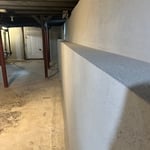
Knell walls
Knee Walls
After
Before
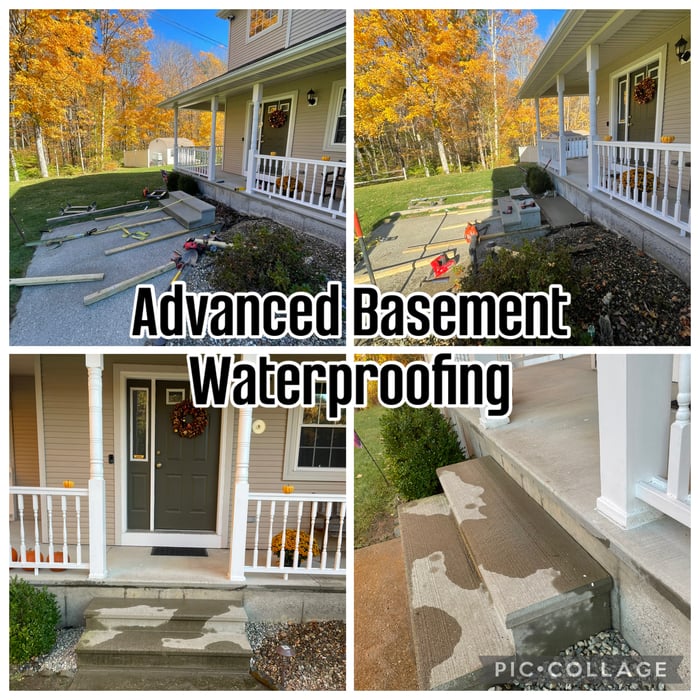
Concrete Work

+1

230 neighbors recently requested a quote
...
Showing 1-10 of 100
Excavating FAQs, answered by experts

It can take several weeks for the ground to settle after removing a tree, and the soil under larger, more mature trees can take months. The deeper the tree has been ground under the soil, the longer it will take to settle. However, this extra depth can help you plant new landscaping sooner because you’ll have more space for fresh soil.

The best method for digging a trench depends on the scope of the project. For a short, shallow trench (less than 2 feet deep) in light, soft soil, digging by hand may be sufficient. However, digging by hand is labor-intensive, so consider the effort required. A machine trencher is the better option for longer trenches (over 100 feet), deeper ones, or when dealing with difficult soil conditions, such as rocky or hard ground, or obstructions like tree roots. A machine can save significant time and energy in these situations.

Downspouts should be buried at least 5 to 10 feet away from your foundation. This can vary depending on your local building codes, soil type, and property slope. The main goal is to ensure water is directed away from your foundation.

The physical constraints of hand-drilling a well limit the depth you can achieve. Manually digging with picks and shovels may only lead to shallow wells of up to 60 feet in depth. To reach greater depths, you need more specialized equipment. The diameter of your well and the tools you’re using will determine how far down you can dig.

In the United States, a depth of 36 inches (three feet) for underground water lines is the accepted industry standard. This depth varies from location to location based on local conditions. In areas with colder winters, they may be buried deeper to prevent frozen well water pipes : This is usually at least six inches below the frost level. The International Plumbing Code calls for a minimum of 12 inches below grade.

The Collinsville, CT homeowners’ guide to excavation services

From average costs to expert advice, get all the answers you need to get your job done.