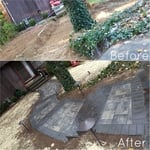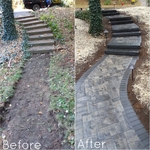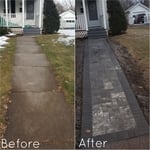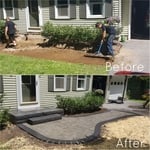








Top-rated excavation pros.

Get matched with top excavation pros in Canton, CT

Enter your zip and get matched with up to 5 pros

Need a pro for your excavation project in Canton, CT?

Select your specific project to find the pro for you.

TRUSTED BY CANTON, CT HOMEOWNERS

  • Average homeowner rating star icon3.7
    Average homeowner rating
  • Verified reviews icon42
    Verified excavation services reviews
Excavating questions, answered by experts

Landscape edging is more DIYable than trenching. You can DIY your own digging projects, but proceed carefully and only with proper knowledge of the equipment and appropriate safety measures in place. Keep in mind the project's scope and estimate how long it will take you to do it on your own. While you can certainly save money by DIYing home improvement projects, you can’t exactly hide an unfinished—or worse, ruined— landscaping job from the neighbors. It’s always safer to call an excavation pro near you to get an estimate.

There are many ways to cut through roots when digging, especially if your trencher doesn’t seem to be removing the roots. First, use a shovel to expose the roots. Then, use gardening shears to clear out smaller roots or a reciprocating saw to remove larger plant roots. If you plan on keeping the plant, avoid cutting any roots over 2 inches thick.

The best type of soil to build on is a mixture of sand and clay, known as loam soil. Loam soil has the best combination of these soil types to build a foundation on. The clay particles help with water retention, so it won’t erode like sandy soil might, and the sandy particles help with drainage, so you won’t see unsafe soil expansion or have an increased risk of leaks from water sitting against your foundation.

Sewer lines can be buried anywhere from 18 inches to 8 feet deep, with a common average depth between 18 and 30 inches. The exact depth depends on local factors like climate and soil type. In colder regions, pipes must be buried deeper (below the frost line) to prevent freezing, sometimes as deep as 8 feet. The digging depth can also impact the cost of sewer line replacement. To find the specific depth for your property, you can check the building plans for your system, which should be on file with your city or local sanitation department since permits are required for installation.

You can bury underground electrical wire six inches deep—but only if you use a rigid metal electrical conduit. For rigid, non-metallic conduits, bury the wire at least 12 inches deep. If using an underground feeder cable rated for direct burial, you'll need to place it at least 18 inches deep, as it has no conduit for extra protection.

The Canton, CT homeowners’ guide to excavation services

From average costs to expert advice, get all the answers you need to get your job done.

What do you need done? We’ll find top pros.
  • 🌱 "Mow a small front yard"
  • 🛠 "Fix a leaking pipe under the sink"
  • 🏠 "Repair shingles on an asphalt roof"