




Top-rated electricians.

Get matched with top electricians in Plymouth, CT

Enter your zip and get matched with up to 5 pros

Need a pro for your electrical service project in Plymouth, CT?

Select your specific project to find the pro for you.

TRUSTED BY PLYMOUTH, CT HOMEOWNERS

  • Average homeowner rating star icon4.6
    Average homeowner rating
  • Verified reviews icon277
    Verified electrical services reviews

Find Electricians in Plymouth

Avatar for Connoles Electric, LLC
Connoles Electric, LLC
4.8(
82
)
Electrical Wiring or Panel UpgradeCeiling Fan - InstallElectric Vehicle Charging Station Installation - For Business - Materials Provided by Consumer+5 more

Serving Plymouth, CT and surrounding areas

Approved

In business since 1984

Free estimates

Credit card accepted

"Ted and Robert arrived, got right t to it and within a few hours we had 2 ceiling fans installed, one which had no existing light so it was a more involved project. They were professional and stuck to their original quote! To say we are impressed is an understatement. We strongly recommend using Connole Electric."
1 neighbors recently requested a quote
Recommended by98%of homeowners
Avatar for R A Buckley & Son Electrical Contractors, LLC
R A Buckley & Son Electrical Contractors, LLC
4.8(
49
)
Electrical Switches, Outlets & Fixtures - Install or RepairFixed Generator - InstallElectrical Wiring or Panel Upgrade+11 more

Serving Plymouth, CT and surrounding areas

Approved

Super Service Award Winner

In business since 2000

Free estimates

Offers commercial services

"Rob was the only person to respond when I was looking for a contractor He was above board with timelines and prices He is quite knowledgeable about generators he is definitely a professional the install is neat and tight l would highly recommend R A Buckley and Son for electrical work."
Response time5 hrs
Response rate90%
5 neighbors recently requested a quote
Avatar for S&G Electrical LLC
S&G Electrical LLC
5.0(
7
)
Electrical Wiring or Panel Upgrade

Serving Plymouth, CT and surrounding areas

Approved

In business since 2021

Free estimates

Customers say: Quick response

We pride our company on reliability, great communication, integrity, and quality work. We are experts in our trade and will do our best to keep you as educated as we can on your particular task or project. We look forward to earning your business! Book with us online or feel free to give us a call today!

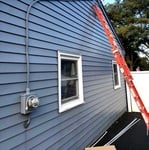
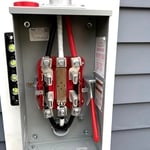
4 Gang meter box
Service Upgrade
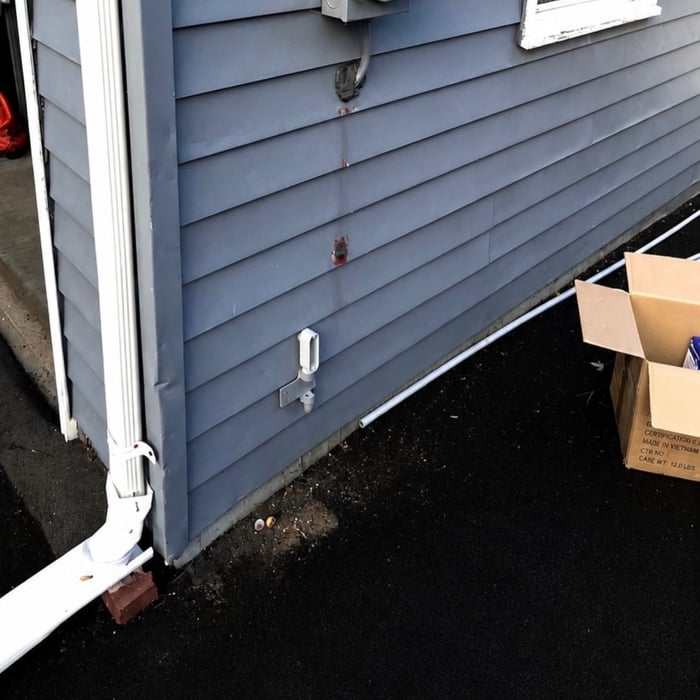
Service Upgrade
Separate power among the different units
Service Upgrade

+9

Response time4 hrs
Response rate89%
2 neighbors recently requested a quote

...
Showing 1-10 of 278
Electrical questions, answered by experts

The most common type of electrical outlet is a 3-prong outlet, which has two flat blades (one is wider than the other) and a round grounding pin. Older homes typically have 2-prong outlets that aren’t as safe as more modern options and are generally not up to current electrical codes.  Other outlets you can find in your home include 20A, 125 volt varieties for larger appliances like refrigerators or washing machines. 

There are also GFCI outlets, which protect against electrical shock in wet areas, such as bathrooms and kitchens, and arc fault circuit interrupter (AFCI) outlets, which protect against electrical fires caused by arcing.

Yes, many professionals offer surge protection to safeguard equipment from power fluctuations.

The easiest way to determine the amperage of your electrical outlets is to check the corresponding breaker in your home’s breaker panel. The number is likely noted on the circuit breaker. If that fails, it’s possible to tell 15-amp and 20-amp outlets apart by looking at them. Fifteen-amp outlets have two vertical holes, while 20-amp outlets have one vertical hole and one T-shaped hole. 

Knob and tube wiring is old, and its casing is brittle. This means that it's possible to receive a dangerous electrical shock if you touch a live wire and essentially become an electrical pathway. Although the scenario is unlikely, touching any K&T wiring is simply not a good idea in any instance. Leave any wire handling to the professionals.

If you need to run a wire from the meter to the breaker box, start by turning off the power using the main switch to avoid injury risks from live wires. Then, locate the ground wire from your meter and connect it to the ground bar of the breaker box. Connect the neutral wire using the same method to improve your circuit efficiency.

Next, locate the hot wires running from the main switch to the meter. To connect them to the correct terminals from meter to breaker, unscrew the nuts of the breaker hotwire terminals, insert the positive hotwire, and ensure it’s firmly attached. Finally, secure the wires with electrical tape and wire tie cables before re-securing your breaker box. Keep in mind that this process can be dangerous, so don’t hesitate to hire a local electrician.

The Plymouth, CT homeowners’ guide to electrical services

From average costs to expert advice, get all the answers you need to get your job done.