




Top-rated aquarium service pros.

Get matched with top aquarium service pros in Plainfield, CT

Enter your zip and get matched with up to 5 pros

Need a pro for your aquarium service project in Plainfield, CT?

Select your specific project to find the pro for you.

TRUSTED BY PLAINFIELD, CT HOMEOWNERS

  • Average homeowner rating star icon4.5
    Average homeowner rating
  • Verified reviews icon74
    Verified aquarium services reviews

Find Aquarium service pros in Plainfield

Avatar for Ponds by DePace
Ponds by DePace
4.5(
12
)
Water Feature - Install a Pond

Serving Plainfield, CT and surrounding areas

In business since 2014

Free estimates

Credit card accepted

"John DePace is passionate about his work, and did a beautiful job building our pond/waterfall. We thought his price was very fair, and he is very good about keeping in contact and following through on things. I highly recommend him."
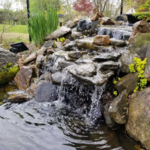
Waterfall
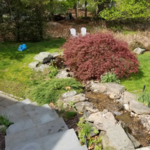
Stairs & Waterfall
Stairs & Waterfall
Pond
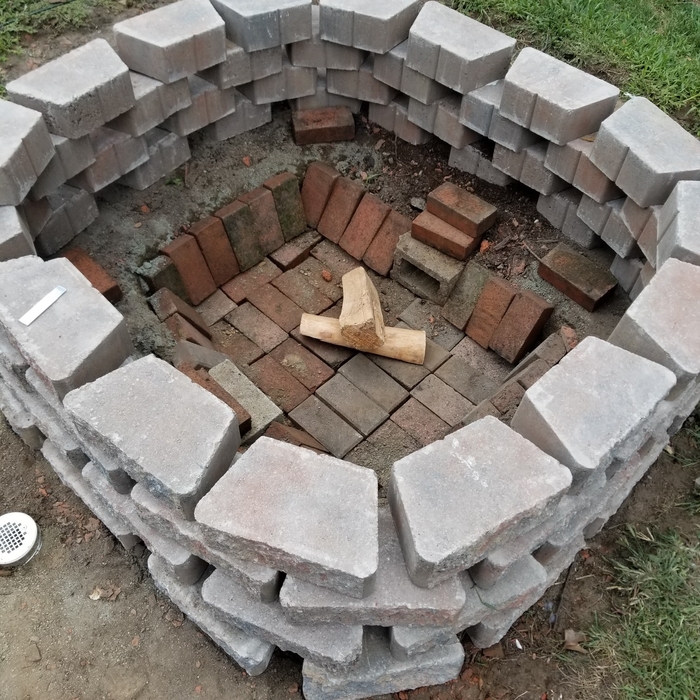
Ventilation is key

+28

Response time2 days
Recommended by85%of homeowners
Avatar for Townline Property Service
Townline Property Service
5.0(
5
)
Water Feature - Install a Pond

Serving Plainfield, CT and surrounding areas

In business since 2024

Free estimates

Small jobs welcome

"Came out to quote job in a timely manner, explained what I envisioned and wanted done, was able to go above and beyond what I envisioned and expected out of this small company. Very professional and completed job faster than expected 10/10 would use again."
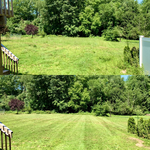
Site Work
Site Work
Site Work
Site Work
Response time2 days
Response rate85%
Aquarium Services questions, answered by experts

A properly installed and maintained septic drain field (also known as a leach field) can last up to 50 years, though the average is around 20 years. However, factors like poor soil conditions, heavy usage, or improper maintenance can significantly shorten its lifespan to 15-20 years.

To extend the life of your drain field:

  • Schedule Regular Inspections: Have the entire septic system, including the drain field, inspected every two to five years to catch problems early.

  • Protect the Area: Avoid driving heavy vehicles or placing heavy structures over the drain field. Plant only grass or other lightweight vegetation with shallow roots over the area.

  • Maintain the Septic Tank: Proper care of the septic tank, including regular pumping and avoiding harmful chemicals, prevents strain on the drain field.

Be aware of signs of failure, such as strange odors, standing water, or unusually lush grass over the field, which indicate your system may need professional attention.

Your septic tank naturally contains the beneficial bacteria it needs to function, so you typically don't need to add more. However, if you wish to replenish the bacteria, you can use natural methods. For example, you can add three overripe tomatoes to your garbage disposal or flush 1/4 ounce of active yeast down the toilet every three months. While store-bought septic enzymes and chemicals are available, many experts consider them unnecessary and potentially harmful. The most effective way to maintain a healthy bacteria population is to avoid using chemical drain cleaners, which can kill the good bacteria in your system.

A two-way cleanout can help if there’s already a clog, but the best strategy to prevent one is by not rinsing grease, oil, or fat down your drains, not flushing or rinsing coffee grounds or egg shells down your drains, flushing only human waste and toilet paper (so no diapers, period products, bathroom wipes, or paper towels), and using drain guards on all of your drains.

Most septic tanks need to be emptied every 3 to 5 years, but it’s a good idea to monitor the fill levels of your septic tank all the time. You can do this by installing a pressure level sensor to detect the internal tank pressure, or by having a septic tank company perform an annual inspection to let you know when you’ll need to pump the tank.

The average cost to pump a septic tank is around $550, though prices can range from $250 to over $1,250. The final cost depends on several factors, including the size of your tank, how full it is, and your geographic location. For example, pumping a small tank might cost between $290 and $530, while a larger 1,750-gallon tank could cost $600 or more. Prices also vary by region; for instance, costs in Minneapolis range from $175 to $275, while in Portland, they can be between $440 and $750. Regular pumping is essential to prevent waste buildup, which can lead to backups and damage to your drain field.

The Plainfield, CT homeowners’ guide to aquarium services

From average costs to expert advice, get all the answers you need to get your job done.