

Top-rated aquarium service pros.

Get matched with top aquarium service pros in Putnam, CT

Enter your zip and get matched with up to 5 pros

Need a pro for your aquarium service project in Putnam, CT?

Select your specific project to find the pro for you.

TRUSTED BY PUTNAM, CT HOMEOWNERS

  • Average homeowner rating star icon3.9
    Average homeowner rating
  • Verified reviews icon38
    Verified aquarium services reviews

Find Aquarium service pros in Putnam

Avatar for Ponds by DePace
Ponds by DePace
4.5(
12
)
Water Feature - Install a Pond

Serving Putnam, CT and surrounding areas

In business since 2014

Free estimates

Credit card accepted

"John DePace is passionate about his work, and did a beautiful job building our pond/waterfall. We thought his price was very fair, and he is very good about keeping in contact and following through on things. I highly recommend him."
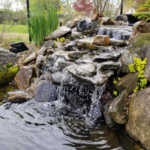
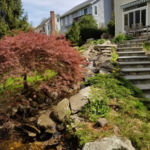
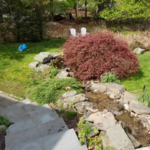
Waterfall
Stairs & Waterfall
Stairs & Waterfall
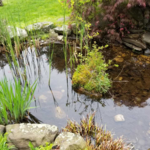
Pond
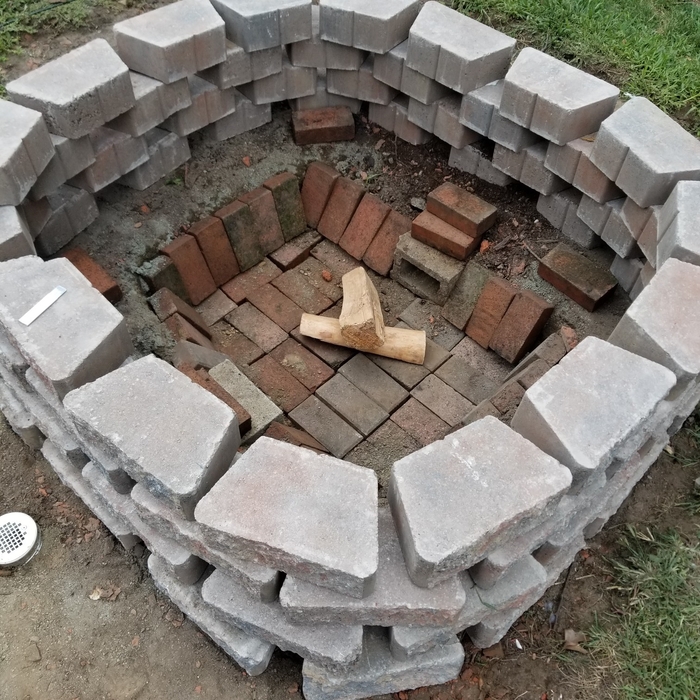
Ventilation is key

+28

Response time2 days
Recommended by85%of homeowners

Avatar for Townline Property Service
Townline Property Service
5.0(
5
)
Water Feature - Install a Pond

Serving Putnam, CT and surrounding areas

In business since 2024

Free estimates

Small jobs welcome

"Came out to quote job in a timely manner, explained what I envisioned and wanted done, was able to go above and beyond what I envisioned and expected out of this small company. Very professional and completed job faster than expected 10/10 would use again."
Site Work
Site Work
Site Work
Site Work
Response time2 days
Response rate85%
Aquarium Services questions, answered by experts

Plumbing leaks, roof failures, poor drainage systems, and severe weather events that lead to flooding or inundation are common causes of water accumulation.

Septic tanks appear full after pumping because the liquid levels have returned to normal. If you can see the pipe, the tank is empty. However, heavy rain can cause septic tanks to fill faster than normal. You might also have leaky pipes or faucets, causing extra water to drip down the drains and into the septic tank.

A two-way cleanout can help if there’s already a clog, but the best strategy to prevent one is by not rinsing grease, oil, or fat down your drains, not flushing or rinsing coffee grounds or egg shells down your drains, flushing only human waste and toilet paper (so no diapers, period products, bathroom wipes, or paper towels), and using drain guards on all of your drains.

If there’s a problem with your sewage system, you might notice water pooling on the ground around the tank, which could indicate an overflow. Clogged and sluggish drains or foul smells coming from your plumbing are also signs that there might be a blockage in your septic system.

Depending on the home, wastewater either goes into a septic tank and seeps back into the backyard or is sent via sewer system to a local sewage-treatment plant. Septic systems naturally separate different components of the waste so that it can naturally and safely disperse it. They are usually reserved for homes not served by a municipal sewage department (like rural homes). A treatment plant, on the other hand, speeds up that process through screening and purification.

The Putnam, CT homeowners’ guide to aquarium services

From average costs to expert advice, get all the answers you need to get your job done.