





Top-rated aquarium service pros.

Get matched with top aquarium service pros in Chaplin, CT

Enter your zip and get matched with up to 5 pros

Need a pro for your aquarium service project in Chaplin, CT?

Select your specific project to find the pro for you.

TRUSTED BY CHAPLIN, CT HOMEOWNERS

  • Average homeowner rating star icon4.5
    Average homeowner rating
  • Verified reviews icon51
    Verified aquarium services reviews

Find Aquarium service pros in Chaplin

Avatar for Ponds by DePace
Ponds by DePace
4.5(
12
)

Serving Chaplin, CT and surrounding areas

In business since 2014

Free estimates

Credit card accepted

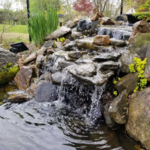
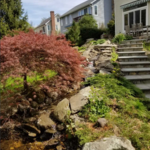
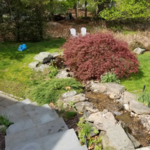
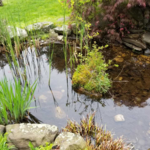
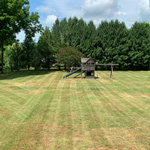
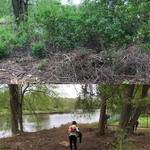
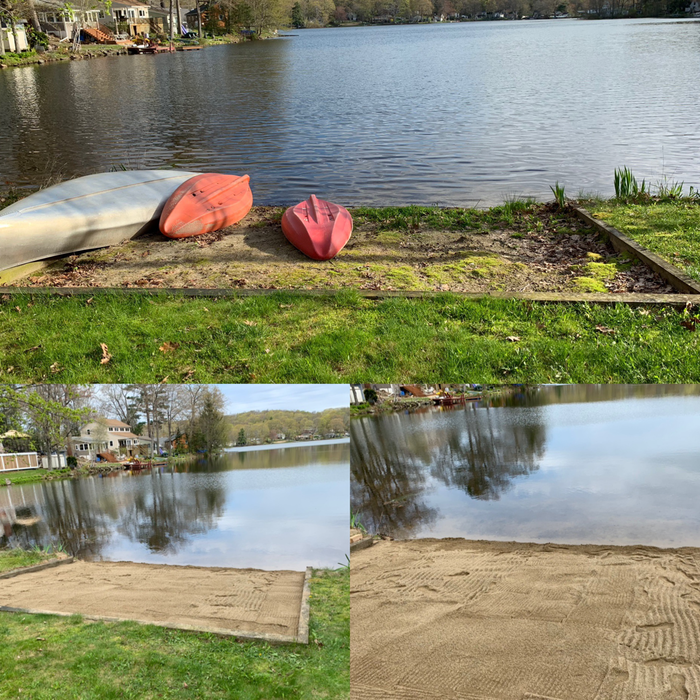
"John DePace is passionate about his work, and did a beautiful job building our pond/waterfall. We thought his price was very fair, and he is very good about keeping in contact and following through on things. I highly recommend him."
Waterfall
Stairs & Waterfall
Stairs & Waterfall
Pond
Ventilation is key

+28

Response time2 days
Recommended by85%of homeowners
Aquarium Services questions, answered by experts

Some flushable wipes companies say they are designed to disintegrate within a few hours to a few days after being flushed. These wipes allegedly use materials that are more water-soluble than traditional wipes. However, many experts have raised concerns that even so-called "flushable" wipes do not break down as easily as claimed and can contribute to clogs and blockages in sewer systems.

To prevent plumbing and sewer problems, avoid flushing wipes, even those labeled as flushable. Instead, dispose of them in the trash. This can help prevent costly plumbing issues and reduce the strain on wastewater treatment systems.

Depending on the home, wastewater either goes into a septic tank and seeps back into the backyard or is sent via sewer system to a local sewage-treatment plant. Septic systems naturally separate different components of the waste so that it can naturally and safely disperse it. They are usually reserved for homes not served by a municipal sewage department (like rural homes). A treatment plant, on the other hand, speeds up that process through screening and purification.

A septic tank always has some amount of liquid in it—which should usually be 8 to 12 inches from the top of the tank. If the liquid level is higher than that or is overflowing the drainage pipe that leads out to the leach field, the tank may be too full and in need of pumping.

You should pump your septic tank once every two to four years for a family of four, depending on your septic tank size. You should pump a 1,000-gallon septic tank every two years, while a 1,500-gallon tank should be pumped every four years. Water usage also affects how often you should pump your septic tank. If you notice slow drains, foul smells, or gurgling sounds from your drains, you should pump your septic tank as soon as possible.

Recognizing signs of a failing septic system is crucial to prevent costly damage and health hazards. Foul odors in and around your home, slow drainage in sinks and toilets, or gurgling noises in plumbing fixtures can indicate problems with drainage. Lush, green patches of grass near the drain field or wastewater pooling on the ground are alarming signs that may indicate a leak in the system. If you notice any of these symptoms, it's vital to address them promptly to avoid more extensive and expensive issues.

The Chaplin, CT homeowners’ guide to aquarium services

From average costs to expert advice, get all the answers you need to get your job done.