


Top-rated fire pit installation pros.

Best fire pit installation pros near New Britain, CT

Enter your zip and get matched with up to 5 pros

Need a pro for your fire pit installation project in New Britain, CT?

Select your specific project to find the pro for you.

TRUSTED BY NEW BRITAIN, CT HOMEOWNERS

  • Average homeowner rating star icon4.5
    Average homeowner rating
  • Verified reviews icon267
    Verified fire pit installation services reviews

Top-Rated Fire pit installation pros in New Britain - Updated Nov 2026

Avatar for Valerie Spencer Interiors LLC
Valerie Spencer Interiors LLC
5.0(
90
)
Handyman for Multiple Small Projects

Serving New Britain, CT and surrounding areas

Approved

In business since 2007

Free estimates

Warranties offered

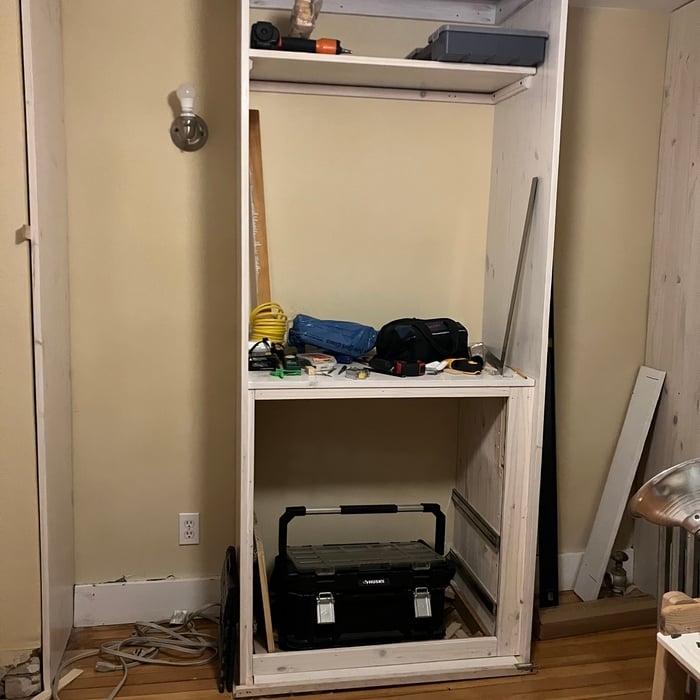
"Very well!! Brian did a great job installing 4 custom blinds in my home. Brian measured the rest of our widows and offered sound advice on how to accurately order blinds for them. I highly recommend Brian for his handyman services."

Additional Photos
Additional Photos
Response time1 day
1 neighbors recently requested a quote
Recommended by97%of homeowners
...
Showing 1-10 of 155
Fire Pit Installation FAQs, answered by experts

Most homeowners put a layer of compact sand or gravel at the bottom of their firepit, but you can also choose more decorative options like fire-resistant paving stones, bricks, or fire pit glass. Dirt by itself can even work, but other materials do a better job of spreading the heat around.
The short answer is yes, but the longer answer is more complex. Unless the fireplace is ventless by design, you’ll need some type of exhaust pipe system to safely send fumes and other harmful byproducts out of the house. Even then, ventless fireplaces are not always permitted because they do keep the byproducts inside of your house. Ventless fireplaces are safest when installed in spaces that are themselves well-ventilated, like large rooms with lots of windows.

Yes, there are regulations on using wood stoves, particularly concerning emissions and installation standards. The Environmental Protection Agency (EPA) sets emission limits for wood stoves to ensure they burn cleaner and more efficiently. Additionally, local building codes may have specific requirements for installation and venting, so it's essential to check with local authorities before installing or upgrading your stove.

Yes, you should seal and cap an unused chimney to protect it from damage. Sealing the structure helps prevent moisture damage, which can lead to issues like cracks, spalling, efflorescence, and damaged mortar joints. Capping the chimney is also crucial to prevent blockages, damage from invasive critters, and downdrafts, while still allowing for proper air ventilation to manage moisture. For the best results, consult a chimney professional to select the right type of chimney or flue cap for your home. It's also wise to continue with annual chimney inspections to maintain the structure's integrity.

According to the National Fire Protection Association, dryers and washing machines cause over 15,000 fires a year, with dryers causing about 92 percent of those fires. Because dryer fires are more common than you might think, it’s important to clear the lint trap regularly and have annual dryer vent cleanings.

The New Britain, CT homeowners’ guide to fire pit installation services

From average costs to expert advice, get all the answers you need to get your job done.