

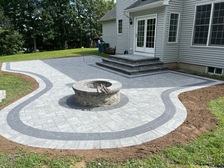



Top-rated fire pit installation pros.

Best fire pit installation pros near Terryville, CT

Enter your zip and get matched with up to 5 pros

Need a pro for your fire pit installation project in Terryville, CT?

Select your specific project to find the pro for you.

TRUSTED BY TERRYVILLE, CT HOMEOWNERS

  • Average homeowner rating star icon4.4
    Average homeowner rating
  • Verified reviews icon191
    Verified fire pit installation services reviews

Top-Rated Fire pit installation pros in Terryville - Updated Nov 2026

Avatar for Valerie Spencer Interiors LLC
Valerie Spencer Interiors LLC
5.0(
90
)
Handyman for Multiple Small Projects

Serving Terryville, CT and surrounding areas

Approved

In business since 2007

Free estimates

Warranties offered

"Very well!! Brian did a great job installing 4 custom blinds in my home. Brian measured the rest of our widows and offered sound advice on how to accurately order blinds for them. I highly recommend Brian for his handyman services."

Additional Photos
Additional Photos
Response time1 day
1 neighbors recently requested a quote
Recommended by97%of homeowners
...
Showing 1-10 of 130
Fire Pit Installation FAQs, answered by experts

A chimney liner isn’t required for an outdoor fireplace; you don’t technically need one if the masonry chimney uses the proper dimensions and is built to code. However, a chimney liner does serve as a protective coating for the flue. Adding a liner could improve performance, safety, and durability. In short, while not necessary, it wouldn’t hurt.

Yes, it’s worth capping a chimney. Here are several reasons to install a chimney cap:

  • Keep out rain, snow, wildlife, and other debris

  • Help prevent chimney fires

  • Reduce your chimney’s exposure to moisture

  • Maintain your chimney flue liner

  • Help reduce energy bills by helping regulate your home’s temperature

Grounding is a great first step to prevent electrical shock, but you can take it further with GFCI outlets and AFCIs (arc fault circuit interrupters). In particular, AFCIs help protect against the type of electrical arcs that cause fires, like if a mouse chews on a wire or your laptop starts overheating at the wall. These are required in some areas of your home.

Generally, an oil furnace is considered safer than a gas furnace for several reasons. While both types of furnaces can produce carbon monoxide, a leak in an oil furnace is easier to detect due to the smell. Oil furnaces also don't connect to a gas pipeline, which reduces the chance of a fuel leak. Most importantly, heating oil is not combustible, whereas natural gas is highly flammable. This means there is a much lower risk of combustion or explosion with an oil furnace. However, an oil furnace can still pose a fire hazard if it tips over.

You might be able to turn a normal door into a fire-rated door, but you’re better off purchasing one that meets all NFPA 80 standards. If you want to DIY a normal door into a fire door, you’ll need a self-adhesive intumescent seal, metal hinges, fire-resistant glazing, and a self-closing device, but you’re always better off buying a certified fire door.

The Terryville, CT homeowners’ guide to fire pit installation services

From average costs to expert advice, get all the answers you need to get your job done.