






The Home Enhancers
Tree RemovalTree Stump - RemoveTree Trimming
Serving Swink, CO and surrounding areas
Approved
Small jobs welcome
Family owned business operating out of Colorado Springs. Insured and bonded with years of experience.


+1

*The Angi rating for Tree Service companies in Swink, CO is a rating based on verified reviews from our community of homeowners who have used these pros to meet their Tree Service needs.
*The HomeAdvisor rating for Tree Service companies in Swink, CO is a rating based on verified reviews from our community of homeowners who have used these pros to meet their Tree Service needs.
Last update on May 04, 2026
Serving Swink, CO and surrounding areas
Approved
Small jobs welcome
Family owned business operating out of Colorado Springs. Insured and bonded with years of experience.
+1
Serving Swink, CO and surrounding areas
In business since 2012
Free estimates
Emergency services offered
"Quick to respond, easy to communicate with, best service I ve had working with someone on my rentals hands down."

+82

Serving Swink, CO and surrounding areas
In business since 2005
Free estimates
Emergency services offered
"It was excellent! They were on time, very professional and very good communication. They really did a very good job."




+1
Serving Swink, CO and surrounding areas
Free estimates
Emergency services offered
Offers commercial services
in the tree service business we go above and beyond to satisfy our customers. we are a honest, reliable, team of hard working individuals willing to satisfy all our customers

Serving Swink, CO and surrounding areas
In business since 2017
Free estimates
Credit card accepted
Welcome to D & D Contracting! We take pride in the quality of work and customer satisfaction that we give each and every customer. We are known to pay exquisite attention to detail while making customer satisfaction our top priority. Call us today to learn more about how we can help you!


+13
Serving Swink, CO and surrounding areas
In business since 2002
Free estimates
Offers commercial services
---------------------------------------------------------------------------------------------------------------------------------------------------------------------------------------------------------------------------------------
Serving Swink, CO and surrounding areas
In business since 2017
Free estimates
Credit card accepted
We're a locally owned and operated company with over 20 years of industry experience. We value honesty and integrity in all aspects of our business. We offer a variety of Home Improvement services that are customizable to each individual project. We specialize in handyman/carpentry work and a variety of related service and repair projects. We pride ourselves on the quality of our work as well as our commitment to outstanding results. We look forward to building lasting relationships with our clients and guarantee your satisfaction! \n
Serving Swink, CO and surrounding areas
In business since 1997
Free estimates
Warranties offered
"He is dependable, professional, and he has integrity."

Serving Swink, CO and surrounding areas
In business since 1997
Free estimates
Emergency services offered
"Robert is energetic, committed and determined to give the best customer service and excellent job."
Serving Swink, CO and surrounding areas
In business since 2024
Free estimates
Offers commercial services
"The staff at Abundance Landscaping were on time, courtesy and did a great job. I'm very happy with their services."

+3
From average costs to expert advice, get all the answers you need to get your job done.

How much does an arborist cost? This guide explains the cost of different services, ongoing expenses, and other factors to consider when hiring an arborist.

Tree inspections can ensure your trees stay healthy and safe, preventing costly damage. Learn how much tree inspections cost and what can affect the price.

Moving your favorite tree isn’t exactly a small task, so we’ll break down some common tree transplanting costs so you can be prepared.

Don’t get ripped off when hiring a professional tree service to remove trees. Make sure you watch for these scams that occur much too often.
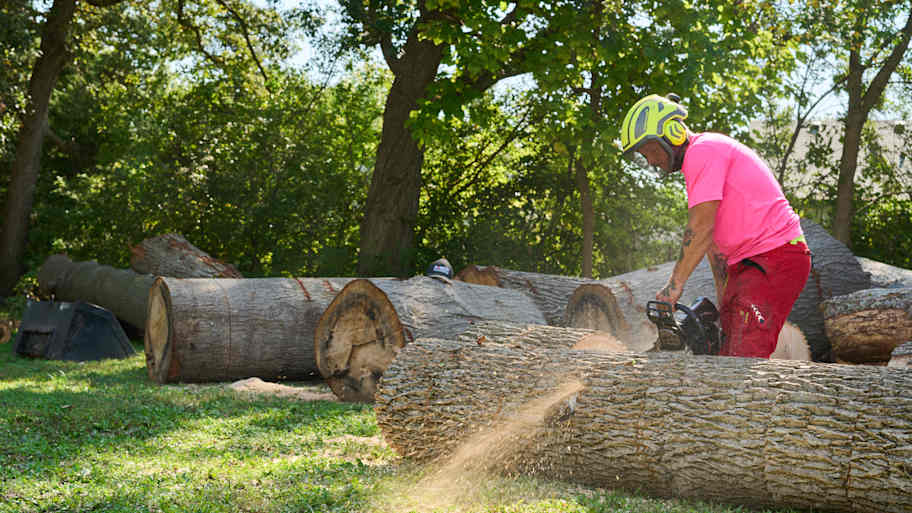
Follow these tips to learn how to find a good tree removal service. Doing a little research can help you save time and money when you need to say goodbye to your trees.
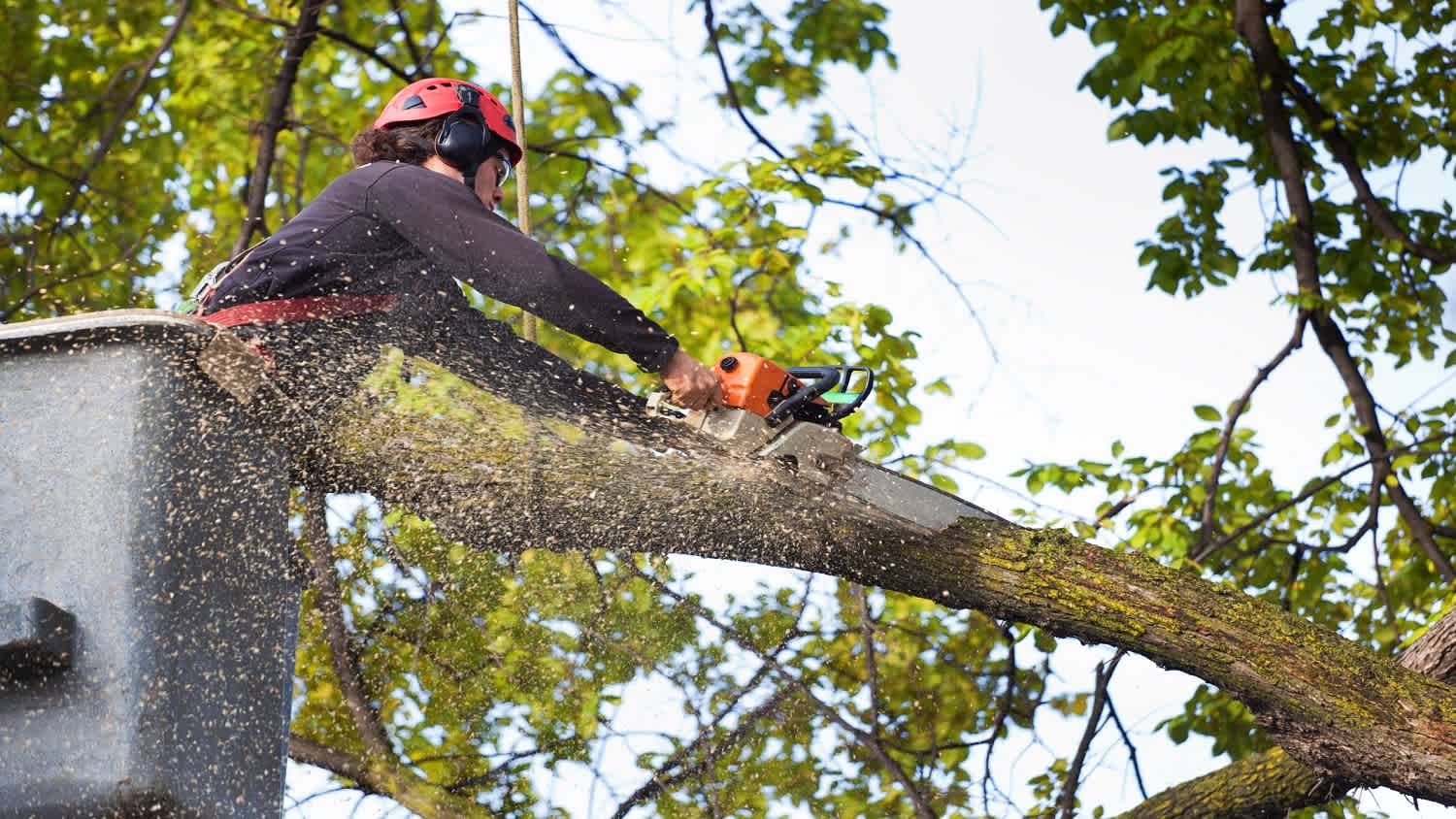
You suspect that the leaning oak tree in the back needs to come down, but can you just handle it yourself? Here are the pros and cons of calling a tree service.