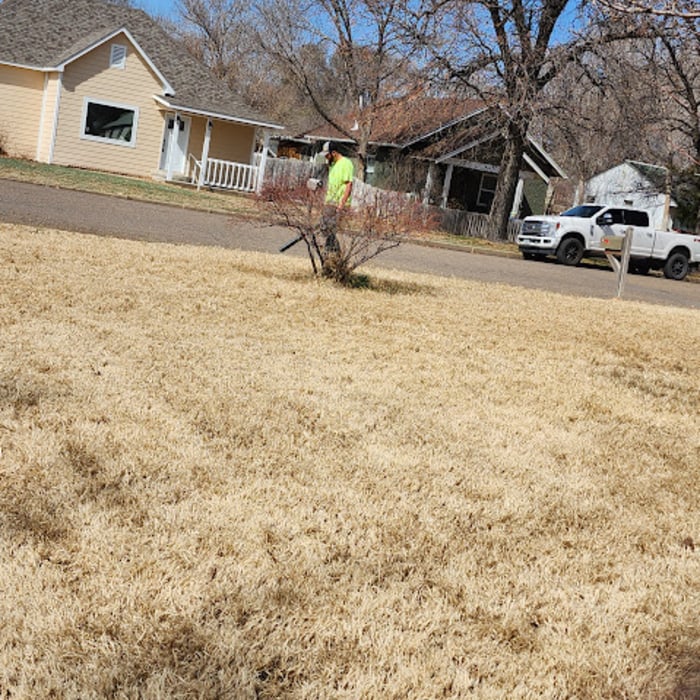
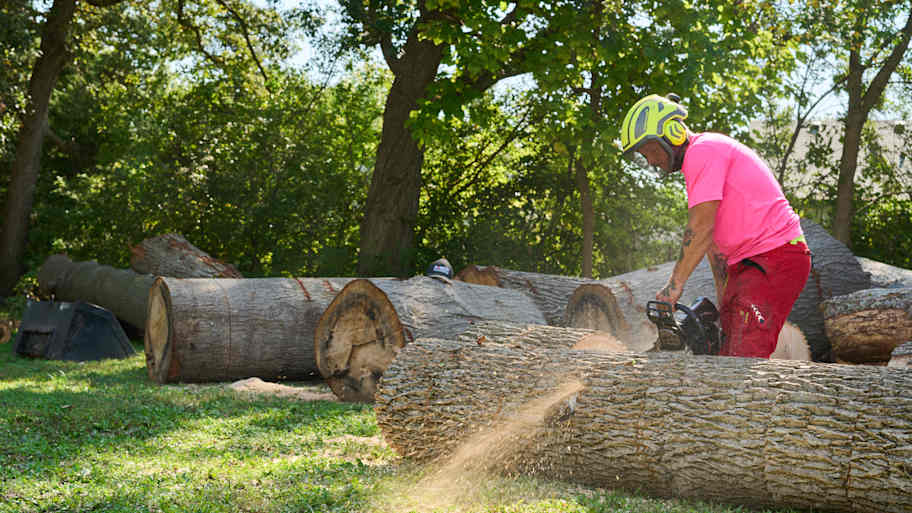
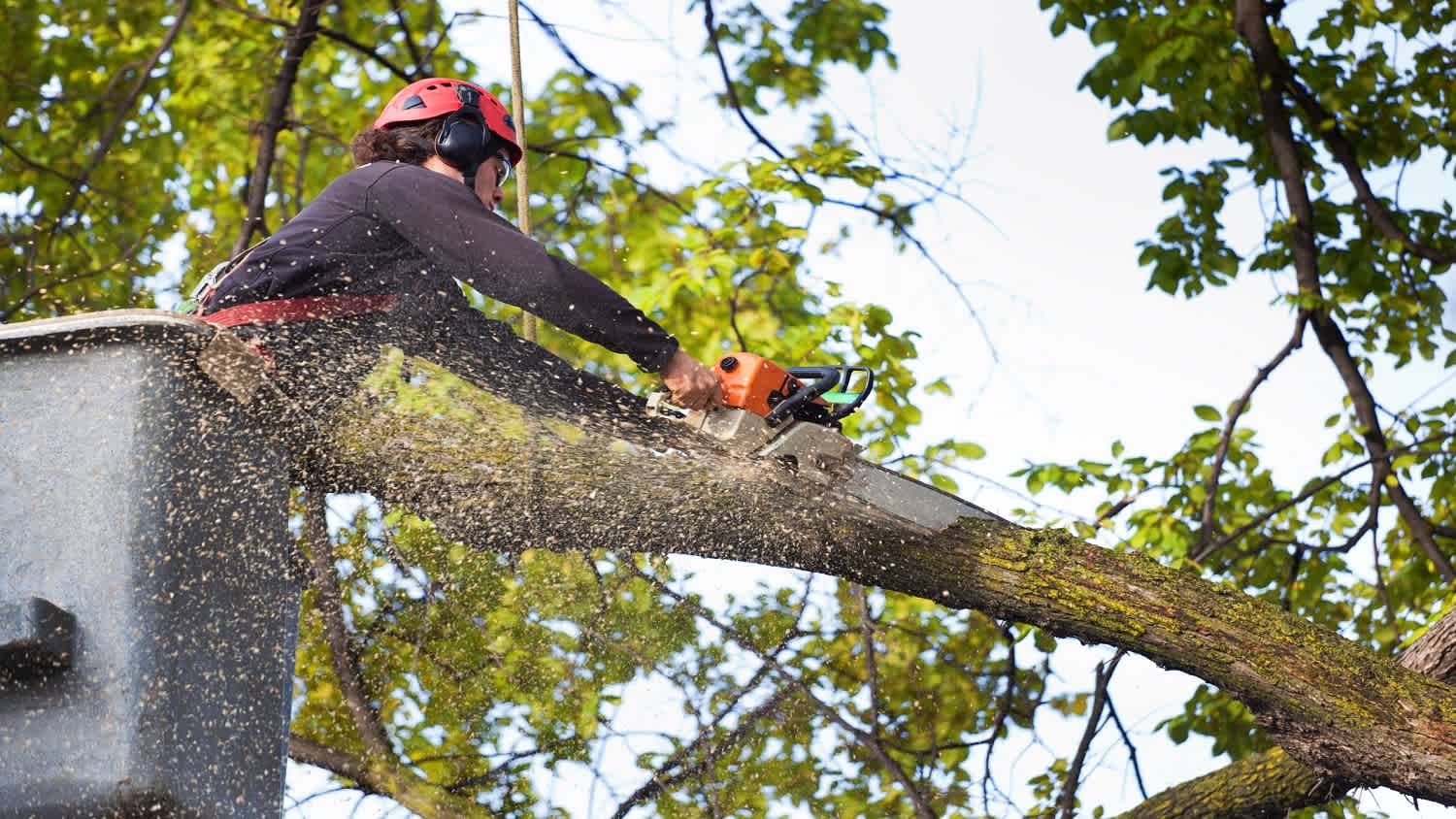
"Robert was friendly and courteous with safety in mind, always making sure things were done to my satisfaction very hard-working, and got the job done, right thank you, Robert"
in the tree service business we go above and beyond to satisfy our customers. we are a honest, reliable, team of hard working individuals willing to satisfy all our customers
We're a locally owned and operated company with over 20 years of industry experience. We value honesty and integrity in all aspects of our business. We offer a variety of Home Improvement services that are customizable to each individual project. We specialize in handyman/carpentry work and a variety of related service and repair projects. We pride ourselves on the quality of our work as well as our commitment to outstanding results. We look forward to building lasting relationships with our clients and guarantee your satisfaction! \n
Hand crafted custom log work built from only the best in Engelmann Spruce & Lodgepole Pine. With over 15 years in the \nlog industry, Timberland Custom Log Works is proud to say, "We are top notch in the log industry."
If a disease has attacked and destroyed the roots, then the tree may fall over as soon as it has died or while part of it is still alive. Trees that die with their roots left in place tend to stay standing for much longer, but those roots will decay eventually, allowing gravity to do the rest.
You can start your search for a reputable arborist online by looking for professionals who hold the proper licensing and are fully insured. Next, read through some online reviews to see what kind of service the expert brings to the table, and confirm that they don’t have a history of complaints with the Better Business Bureau. Finally, you can ask the professional for a list of references and then call them to ask questions about the service, professionalism, value, and more that the expert brings to the table.
Maple trees start the growing season by developing small groups of red flowers where the tree's fruit, the samaras, will appear in the coming weeks. Later in spring, the samaras, which many call whirlybirds or similar names, develop into single-winged seed carriers that spin when falling or drifting in the wind.
Only trim palm trees as needed, which is usually about once per year. However, don't stick to that schedule if the palm tree doesn't need it. Avoid trimming palm trees when possible. It’s best to trim palm trees only when you notice a buildup of dead fronds. That said, leave the brown fronds during the dormant season because this organic matter helps protect the tree from the cooler weather.
Pruning trees is important for several reasons. It improves tree health and strength by removing dead, diseased, or unwanted branches, which in turn encourages new growth and can help treat disease. For fruit trees, proper pruning can lead to a larger and better-quality harvest. Pruning also enhances safety by removing weak limbs that could break and fall, potentially causing injury or property damage, especially during storms. Beyond these functional benefits, pruning can also improve a tree's appearance. To ensure pruning is done correctly for the tree's long-term health, consider hiring a professional.
The Holly, CO homeowners’ guide to tree services
From average costs to expert advice, get all the answers you need to get your job done.
How much does an arborist cost? This guide explains the cost of different services, ongoing expenses, and other factors to consider when hiring an arborist.
Tree inspections can ensure your trees stay healthy and safe, preventing costly damage. Learn how much tree inspections cost and what can affect the price.
Follow these tips to learn how to find a good tree removal service. Doing a little research can help you save time and money when you need to say goodbye to your trees.
You suspect that the leaning oak tree in the back needs to come down, but can you just handle it yourself? Here are the pros and cons of calling a tree service.