



Top-rated excavation pros.

Get matched with top excavation pros in Rifle, CO

Enter your zip and get matched with up to 5 pros

Need a pro for your excavation project in Rifle, CO?

Select your specific project to find the pro for you.

Find Excavation pros in Rifle

Avatar for Ayala's Tree Trimming & Landscaping
Ayala's Tree Trimming & Landscaping
4.7(
54
)
Landscape - Minor Grading or Resloping

Serving Rifle, CO and surrounding areas

Approved

Super Service Award Winner

In business since 2008

Free estimates

Credit card accepted

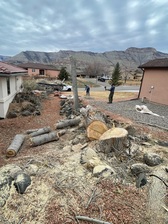
"Isaac and his assistant provided excellent service in removing one of our Blue Spruce trees. It was a costly project, but we expected that due to the complexity of the removal process. They arrived on the scheduled date and spent almost seven hours in reducing our tree to a stump, which we will need to camouflage. We decided to remove the tree as it had grown so tall and wide it became too close to our home and that of our neighbor. With heavy winds and threat of lightening storms, it was the right decision for us. The cut branches necessitated two trailerloads to haul away, meaning two trips to the disposal site, and they never complained in the 95+degree weather. The cleanup was very thorough, and we are happy to highly recommend this company to others."
Response time5 hrs
Response rate95%
16 neighbors recently requested a quote
...
Showing 1-10 of 55
Excavating questions, answered by experts

In the United States, a depth of 36 inches (three feet) for underground water lines is the accepted industry standard. This depth varies from location to location based on local conditions. In areas with colder winters, they may be buried deeper to prevent frozen well water pipes : This is usually at least six inches below the frost level. The International Plumbing Code calls for a minimum of 12 inches below grade.

Most states do not require excavation companies to hold specific licenses, but many require at least a contractor’s license. Additionally, heavy equipment operators require a special commercial equipment license to operate machinery required for excavation. You can use Angi’s contractor licensing tool to confirm that an excavation company you’re considering hiring is fully licensed. You should also make sure that the excavation team is fully insured before allowing them to work on your property.

The best method for digging a trench depends on the scope of the project. For a short, shallow trench (less than 2 feet deep) in light, soft soil, digging by hand may be sufficient. However, digging by hand is labor-intensive, so consider the effort required. A machine trencher is the better option for longer trenches (over 100 feet), deeper ones, or when dealing with difficult soil conditions, such as rocky or hard ground, or obstructions like tree roots. A machine can save significant time and energy in these situations.

If you don’t wish to dig it out and convert it into a finished basement, you can still encapsulate your crawl space to protect it from damage for an average cost of $5,500. Finishing a crawl space beyond this isn’t really worthwhile, as the low ceilings mean you won’t be able to use the area as living space.

Landscape edging is more DIYable than trenching. You can DIY your own digging projects, but proceed carefully and only with proper knowledge of the equipment and appropriate safety measures in place. Keep in mind the project's scope and estimate how long it will take you to do it on your own. While you can certainly save money by DIYing home improvement projects, you can’t exactly hide an unfinished—or worse, ruined— landscaping job from the neighbors. It’s always safer to call an excavation pro near you to get an estimate.

The Rifle, CO homeowners’ guide to excavation services

From average costs to expert advice, get all the answers you need to get your job done.