

Top-rated excavation pros.

Best excavation pros near Gypsum, CO

Enter your zip and get matched with up to 5 pros

Need a pro for your excavation project in Gypsum, CO?

Select your specific project to find the pro for you.

Top-Rated Excavation pros in Gypsum - Updated Nov 2026

Avatar for Ayala's Tree Trimming & Landscaping
Ayala's Tree Trimming & Landscaping
4.7(
54
)
Landscape - Minor Grading or Resloping

Serving Gypsum, CO and surrounding areas

Approved

Super Service Award Winner

In business since 2008

Free estimates

Credit card accepted

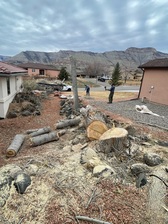
"Isaac and his assistant provided excellent service in removing one of our Blue Spruce trees. It was a costly project, but we expected that due to the complexity of the removal process. They arrived on the scheduled date and spent almost seven hours in reducing our tree to a stump, which we will need to camouflage. We decided to remove the tree as it had grown so tall and wide it became too close to our home and that of our neighbor. With heavy winds and threat of lightening storms, it was the right decision for us. The cut branches necessitated two trailerloads to haul away, meaning two trips to the disposal site, and they never complained in the 95+degree weather. The cleanup was very thorough, and we are happy to highly recommend this company to others."
Response time5 hrs
Response rate95%
19 neighbors recently requested a quote

Avatar for J&R Construction
J&R Construction
4.7(
6
)
Excavation - Major Grading or ReslopingExcavation - Major Grading or Resloping - For BusinessLandscape - Minor Grading or Resloping

Serving Gypsum, CO and surrounding areas

Approved

Super Service Award Winner

In business since 2024

Free estimates

Small jobs welcome

"This contractor showed up and did the work when they said they would. Their work was thorough and I was pleased with the end product so much so that I asked them for additional estimates for other concrete work I had in mind. When they gave me the estimate for these other concrete work, they requested an additional $3,000 above their estimate to cover losses on the original job. They requested this without any sort of backup that itemized their losses. In the course of performing the original work that I hired them to do, they never mentioned that they under bid the job and was losing money. If they had, I might've been open to some sort of negotiations. Instead they decided to just arbitrarily add it on the next project without any sort of justifications. Based on this, I cannot recommend this contractor even though I was satisfied with their work."
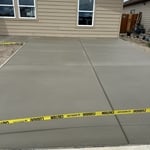
Concrete Flat work
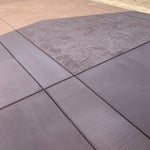
Broom And Stamped
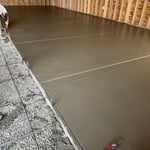
Garage broom finish
Response time7 hrs
Response rate87%
3 neighbors recently requested a quote
Showing 1-10 of 47
Excavating FAQs, answered by experts

While you can save some money by digging your own pool, you may end up paying more in construction equipment rental fees in the long run. You could, however, focus your DIY energies on lowering the cost of leveling your lawn for your pool or filling in surrounding landscaping after construction.

A trench that is less than 5 feet deep often doesn't require a protective system. Most residential trenches will not go this deep (the typical residential drainage trench is just 18 inches deep). In the event that an excavator needs to dig more than 5 feet beneath the surface, a protective system is required unless the excavation is in entirely stable rock.

We recommend removing the stump, and grinding is a popular way to do it. You can also dig out small stumps or stumps that have fully decayed instead of grinding them. However, don’t try using acids or fire for killing a tree stump, which is a fire hazard and illegal in many areas.

Leaving the stump alone invites eventual problems, including attracting termites, mold, and fungi.

Water lines are buried at various depths, depending on the type of line. For example, most sprinkler lines are buried between four and 12 inches underground. On the other hand, water mains usually sit between one and 3 feet below ground. However, they can go even deeper in cold climates to prevent freezing.

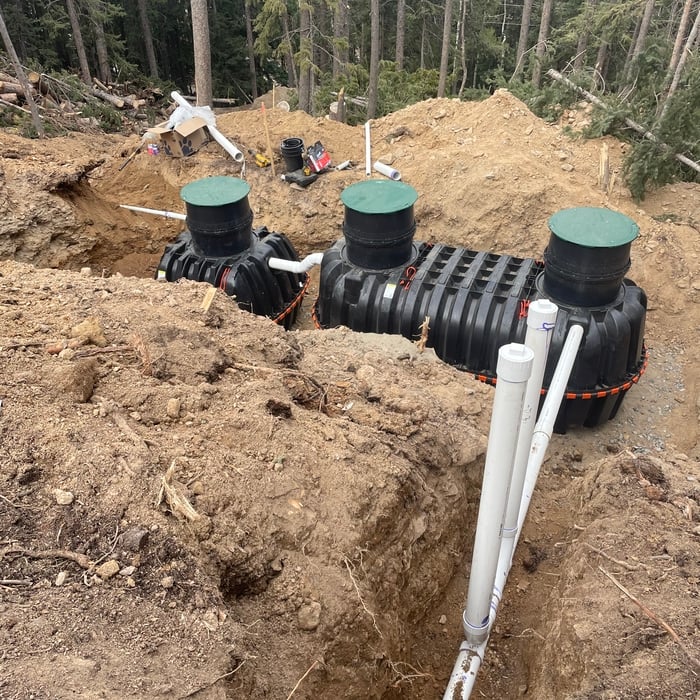
How deep your septic system needs to be into the ground depends on several factors. In extremely cold environments, the tank needs to rest below the maximum frost line, which can be up to six or eight feet deep. The standard burying depth for most systems is between a few inches and four feet below ground level. Depth can also depend on the slope of the landscaping and other property variables. 

The Gypsum, CO homeowners’ guide to excavation services

From average costs to expert advice, get all the answers you need to get your job done.