



Top-rated excavation pros.

Get matched with top excavation pros in Meeker, CO

Enter your zip and get matched with up to 5 pros

Need a pro for your excavation project in Meeker, CO?

Select your specific project to find the pro for you.

Find Excavation pros in Meeker

Advanced Solution
4.9(
7
)
Landscape - Minor Grading or Resloping

Serving Meeker, CO and surrounding areas

In business since 2023

Free estimates

Emergency services offered

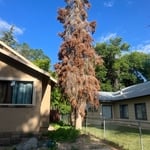
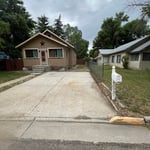
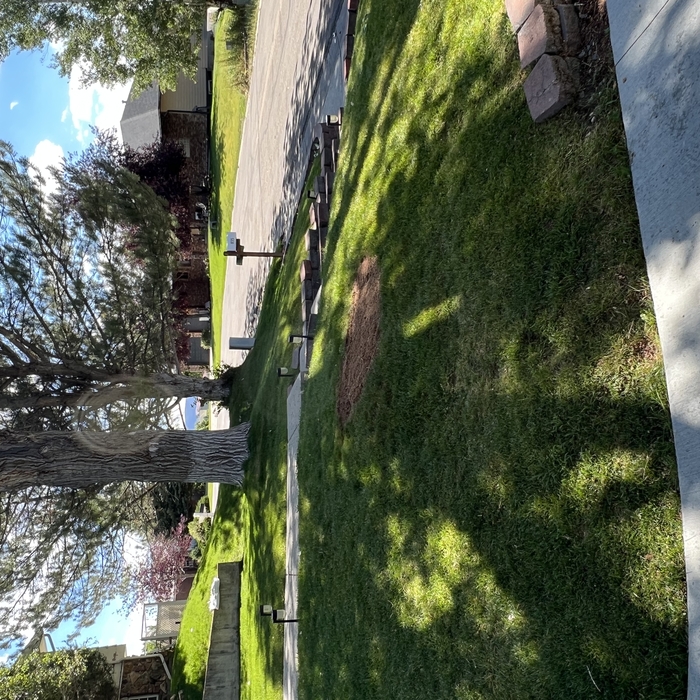
"Kevin is a skilled professional. He performed extensive tree removal and trimming on an extremely overgrown property. But that was not all. He also installed and repaired the property's fence, which had extensive damage from years of tree limbs falling on it. Additionally, he skillfully cleaned up and restored the neglected lawn. This past winter, he provided snow removal services in a timely and thorough manner. Honestly, I haven't found a project that Kevin can't handle. And I look forward to employing his expertise this summer and beyond. Above all else, Kevin is honest and fair, and he goes to any length necessary to get the job done."
Hazard Tree
Rot and splitting
Hazard tree removal
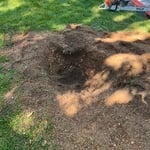
Stump grinding
Stump grinding results

+1

Response time2 days
Response rate86%
Recommended by100%of homeowners
Avatar for Divide Creek Construction
Divide Creek Construction
5.0(
2
)
Building Site - Preparation and ClearingLandscape - Minor Grading or Resloping

Serving Meeker, CO and surrounding areas

In business since 2014

Free estimates

Credit card accepted

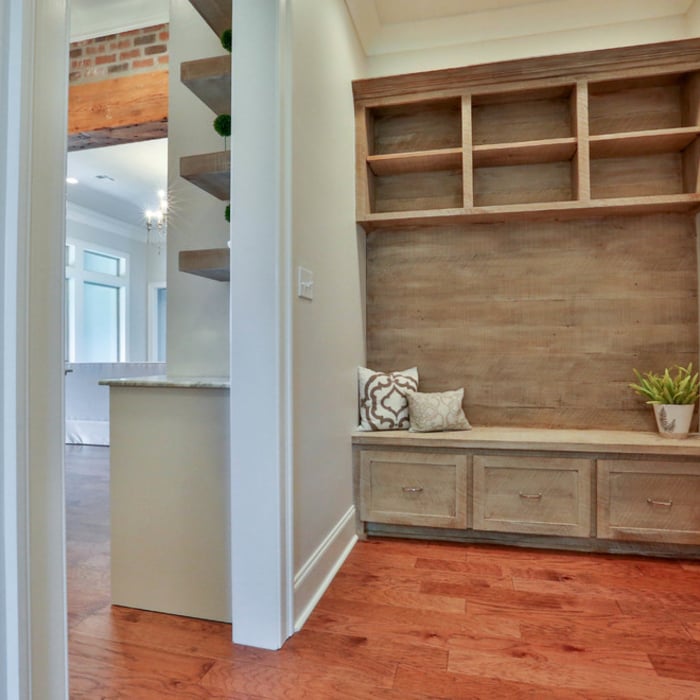
"I hired Divide creek construction to do a remodel on my camper and it came out amazing, tore out old rotted flooring and boards, made a new bed frame out of oak for me and made the bed room big with more space to moved around, they also tore out the cheap water damaged flooring and replaced it with new interior wood flooring, they did such an amazing job with their work if I have more remodeling or building jobs in the future I?ll definitely hire them again!!!!!!"
Response time2 hrs
Response rate100%
CJ Excavation
New to Angi
Building Site - Preparation and ClearingExcavation - Major Grading or Resloping

Serving Meeker, CO and surrounding areas

In business since 2023

Free estimates

Credit card accepted

We take great pride in our experience, expertise, quality, and customer service that we provide to meet the consumer's needs. It is our mission to provide excellent workmanship and complete customer satisfaction from start to completion of a project. In order to understand the needs and expectations of our customers, we take great care to work and communicate with every customer in a professional manner. Our reputation is based on service, safety, and quality, regardless of how large or small the job.

Showing 1-10 of 25
Excavating questions, answered by experts

Septic drain lines (or leach lines) are typically buried between 18 and 36 inches underground, and should be at least 6 inches below the surface. These pipes are perforated and surrounded by filtering materials like sand or gravel. Burying the lines at this depth helps minimize odors and allows bacteria and other biological processes in the soil to effectively treat the wastewater. Burying lines too close to the surface can cause issues unless the soil is very compact and stable.

There are many ways to cut through roots when digging, especially if your trencher doesn’t seem to be removing the roots. First, use a shovel to expose the roots. Then, use gardening shears to clear out smaller roots or a reciprocating saw to remove larger plant roots. If you plan on keeping the plant, avoid cutting any roots over 2 inches thick.

A trench that is less than 5 feet deep often doesn't require a protective system. Most residential trenches will not go this deep (the typical residential drainage trench is just 18 inches deep). In the event that an excavator needs to dig more than 5 feet beneath the surface, a protective system is required unless the excavation is in entirely stable rock.

Trenching and boring are two distinct methods for installing underground utilities. Trenching involves digging a channel using equipment like an excavator, trencher, backhoe, or shovel. While it is a simpler process, it causes significant disruption to the surface, landscaping, and surrounding ecosystems.

Boring, also known as directional boring, is a less invasive alternative that uses a drill to create a tunnel for utility lines without disturbing the surface. This method is more precise and is ideal for installations that need to go underneath buildings, roads, or bodies of water. Although boring is less disruptive, it is generally more expensive than trenching.

In the United States, a depth of 36 inches (three feet) for underground water lines is the accepted industry standard. This depth varies from location to location based on local conditions. In areas with colder winters, they may be buried deeper to prevent frozen well water pipes : This is usually at least six inches below the frost level. The International Plumbing Code calls for a minimum of 12 inches below grade.

The Meeker, CO homeowners’ guide to excavation services

From average costs to expert advice, get all the answers you need to get your job done.