


Top-rated fire pit installation pros.

Get matched with top fire pit installation pros in Parker, CO

Enter your zip and get matched with up to 5 pros

Need a pro for your fire pit installation project in Parker, CO?

Select your specific project to find the pro for you.

TRUSTED BY PARKER, CO HOMEOWNERS

  • Average homeowner rating star icon4.2
    Average homeowner rating
  • Verified reviews icon1.7k+
    Verified fire pit installation services reviews

Find Fire pit installation pros in Parker

No results for Fire pit installation pro in

Try adjusting your search criteria.
Fire Pit Installation questions, answered by experts

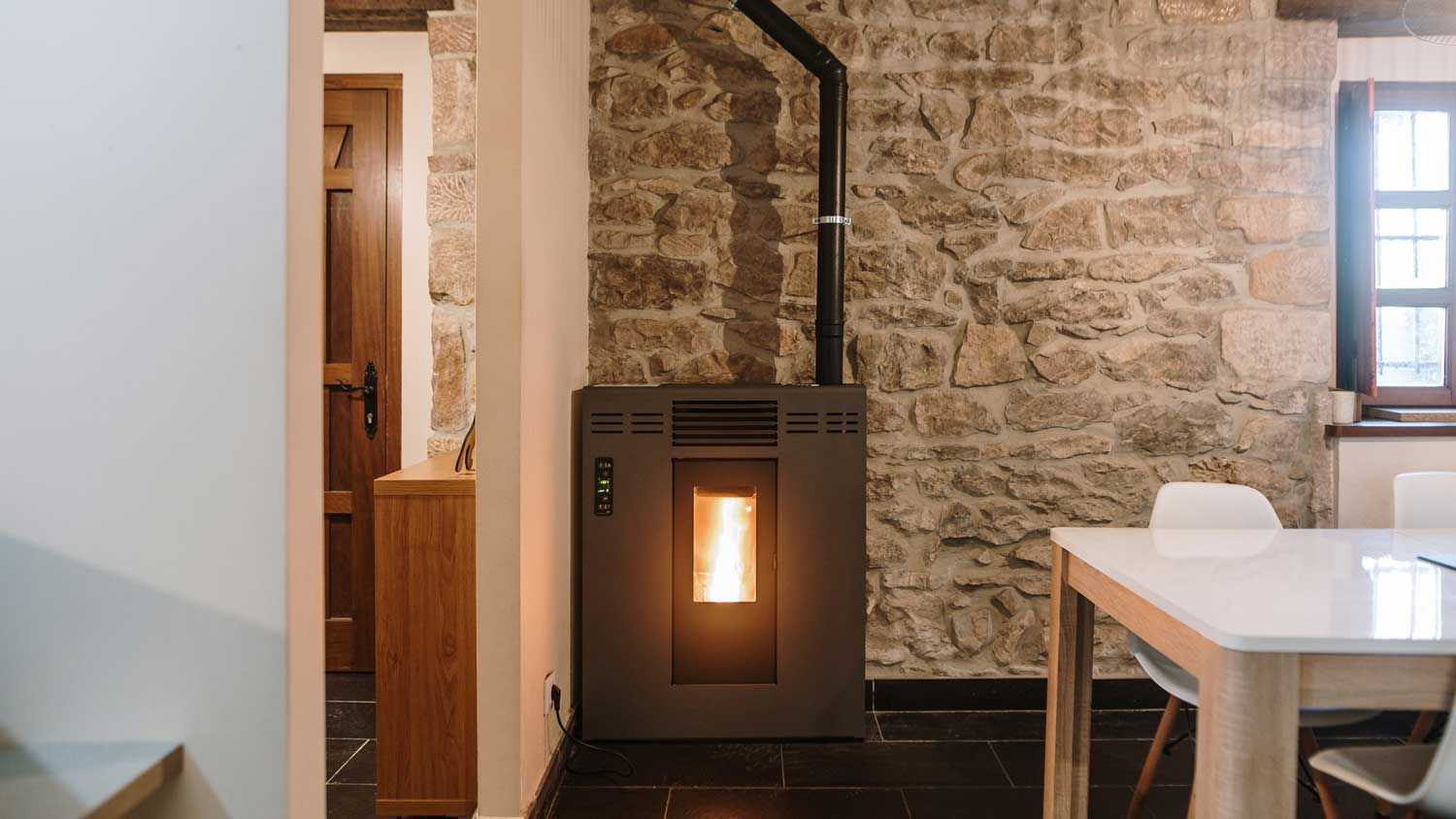
Pellet stoves are safer than wood stoves in many ways. They don’t produce as many creosote deposits as wood stoves do, they create less smoke, and the flames are contained, decreasing the risk of any sparks or embers creating a house fire. Pellet stoves also burn more cleanly and efficiently than wood stoves do.
You can fireproof an existing door to some extent, but it's better to remove the old door and replace it with a fire-rated model. Anything dealing with extreme heat needs rigorous testing and a door you DIY fireproof will not undergo the same safety measures as a premade one. Consider a door with a rating of at least 30 minutes or more in residential areas.

The damper, located just above the firebox, can open or close the chimney flue. The damper should remain closed unless there’s a fire burning in the fireplace. Closing the damper prevents energy loss through the chimney and cold air from seeping into the home during the winter. Opening the damper helps maintain airflow when there is a fire and prevents smoke and gases from venting into the house.

Yes, you need to leave your chimney damper open when burning a creosote log so that smoke and other debris doesn’t waft into your house as it’s burning. You’ll need to make sure your damper is fully open, even when the log continues to smoke, until it’s completely out and cold.

Yes, you should seal and cap an unused chimney to protect it from damage. Sealing the structure helps prevent moisture damage, which can lead to issues like cracks, spalling, efflorescence, and damaged mortar joints. Capping the chimney is also crucial to prevent blockages, damage from invasive critters, and downdrafts, while still allowing for proper air ventilation to manage moisture. For the best results, consult a chimney professional to select the right type of chimney or flue cap for your home. It's also wise to continue with annual chimney inspections to maintain the structure's integrity.

The Parker, CO homeowners’ guide to fire pit installation services

From average costs to expert advice, get all the answers you need to get your job done.