








K & L Tiles, LLC
Tile: Ceramic and Porcelain - InstallTile: Natural Stone (Granite, Marble, Slate, Quartz, etc) - Install
Serving Montclair, CO and surrounding areas
Approved
In business since 2006
Free estimates
Emergency services offered
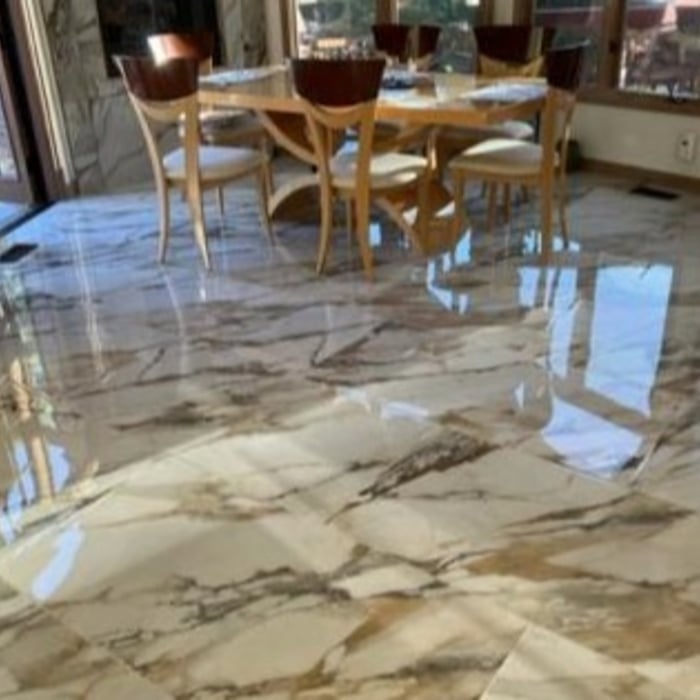
"Nick is an honest craftsman and has the attitudes toward and pride in his work that guarantee a good result. Before I had even hired him for the job he came to look at it and spent an hour talking to me about it, but wasn't pushy at all and have me a fair price. He is a sole owner operator and it is clear that he wants to maintain his and his business's excellent reputation. This also means that you get his decades of experience applied to the job rather than getting some random barely-qualified laborer with nothing on the line sent out because they happen to be available that day, which seems to be the unfortunate business model of many other tile installation businesses. I didn't realize that the natural limestone tile I purchased was going to be very challenging to install due to significant variations in thickness, texture, size, and squareness. Nick took as much time as necessary to get a result that he was happy with and checked with me all along the way to make sure his decisions lined up with my expectations, which they consistently did. He worked straight through on my job rather than running from one job to another and I could tell he was focused the whole time, and I'm very happy with the results. I'll absolutely be hiring him for more work in the future and hope to send him references."
+32
Response time6 hrs
Recommended by85%of homeowners