



Get matched with top pool table assembly pros in Las Animas, CO
Top-rated pool table assembly pros.

Need a pro for your pool table assembly project in Las Animas, CO?

Select your specific project to find the pro for you.

Find Pool table assembly pros in Las Animas

Avatar for DJ Services and Home Repair, LLC
DJ Services and Home Repair, LLC
4.2(
17
)

Serving Las Animas, CO and surrounding areas

In business since 2012

Free estimates

Emergency services offered

"I wish I had found Jeremy and team years ago. We are very happy with the quality of work, attention to detail, and follow through Jeremey and his team performed. Our deck railing was replaced with several other fit and finish tasks to bring our deck back to life. I highly recommend hiring Jeremy and team for your next project!"
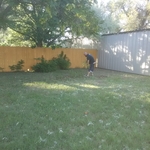
Trimming Trees and Removing Bushes
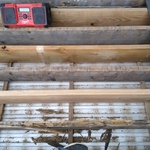
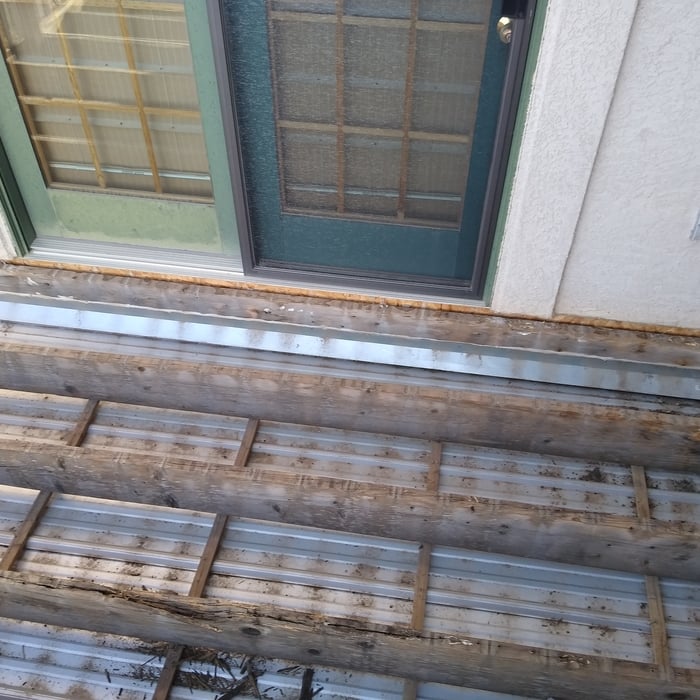
Replaced the whole deck
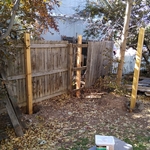
Setting in the new post.
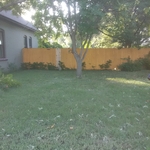
Trimming Trees and Removing Bushes
Replaced the whole deck

+82

Response time1 day
Recommended by76%of homeowners
Showing 1-10 of 34
Pool Table Assembly questions, answered by experts

Filter balls don’t work as well as sand filters because they’re unable to handle large debris, are prone to clogging, and require frequent cleaning. While they can seem more convenient and less expensive than sand filters, most need to be removed and washed regularly, or they won’t filter well and struggle with algae and dirt. Speak with your pool maintenance pro about the best filtration option for your pool.

It depends. Your pool might need chlorine every day if the water is exposed to direct sunlight and you use your pool frequently. UV light and constant use will deplete chlorine levels more rapidly. Test your water regularly to see where your levels sit and adjust accordingly. Generally speaking, most homeowners need to add chlorine following a water chemical test about one to three times per week.

You should add one 3-inch chlorine tablet for every 5,000 gallons of water in your pool. If you have a smaller pool, it’s better to use 1-inch chlorine tablets so you don’t accidentally add too much chlorine. Alternatively, you can add two to three ounces of powdered chlorine or half a gallon of liquid chlorine for every 5,000 gallons of water.

Calcium lumps in a pool are calcium deposits that form when a pool's water parameters are not in the normal range. They can float around on the surface of the pool water, making it look and feel dirty. The most common causes of calcium lumps in pools are calcium hardness above 1,000 ppm, alkalinity over 120, and a pH over 7.8. Keeping your pool’s calcium levels, alkalinity, and pH levels within the normal, safe ranges is the best way to prevent calcium lumps and other problems, including damage to the pool surface.

High alkalinity, which is above seven on the pH scale, is the result of improper chemical levels in the pool. Each chemical you use to keep your pool clean has a different pH, so a ratio that isn't optimized for your pool size may cause the number to go above 7.8, the high end for a good pH range in most swimming pools.

The Las Animas, CO homeowners’ guide to pool table assembly services

From average costs to expert advice, get all the answers you need to get your job done.