





Top-rated excavation pros.

Get matched with top excavation pros in Aspen, CO

Enter your zip and get matched with up to 5 pros

Need a pro for your excavation project in Aspen, CO?

Select your specific project to find the pro for you.

Find Excavation pros in Aspen

T J Irrigation
5.0(
5
)
Landscape - Minor Grading or Resloping

Serving Aspen, CO and surrounding areas

Approved

In business since 1999

Free estimates

Warranties offered

"TJ Irrigation was an excellent choice. The crew was professional at all times. They were quick, on time, and worked hard. They moved 10 sprinkler heads in a little more than 9 hours. The job was charged to time and materials and that was the right way to go. Saved me money."
Response time2 days
11 neighbors recently requested a quote
Recommended by100%of homeowners
Avatar for Avon Land Works
Avon Land Works
3.8(
9
)
Landscape - Minor Grading or ReslopingBuilding Site - Preparation and ClearingExcavation - Major Grading or Resloping

Serving Aspen, CO and surrounding areas

Approved

In business since 2014

Free estimates

Emergency services offered

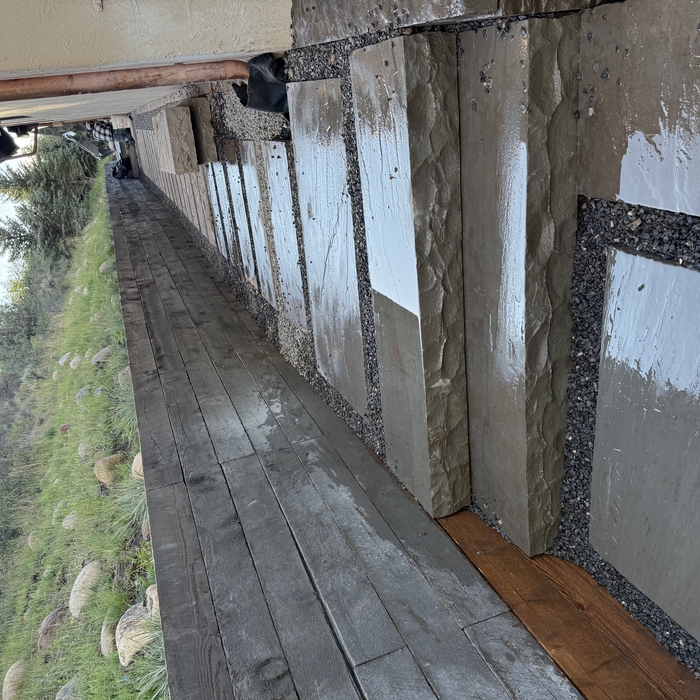
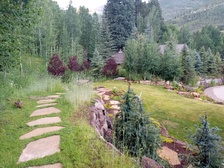
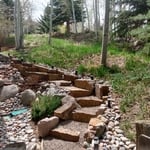
"Noel and his team are great. He worked with us to design and build a wonderful outdoor living hard scape. It was a very complex project with many moving pieces. The end result is absolutely gorgeous. We couldnâ t be happier"
Stone Walkways & Patios
Landscape Installment
Walkway Design

+8

Response time2 days
Response rate90%
7 neighbors recently requested a quote
...
Showing 1-10 of 52
Excavating questions, answered by experts

Your contractor should handle dust control during the project. It's best to speak with your contractor beforehand to check if they plan to cover your furniture, protect your vents, or use fans to redirect dust. Eliminating drywall dust is a particularly large challenge during construction, so always take this into account during your planning phase.

Underground downspouts refer to the sections of downspout extensions that lead away from your home and gutter system. While they cost more than traditional extensions, they can provide several benefits, such as less frequent damage and no need to move them for lawn care tasks. Whether they're worth it or not depends on your budget at installation time and how much convenience they'll add to your situation.

Trenching and boring are two distinct methods for installing underground utilities. Trenching involves digging a channel using equipment like an excavator, trencher, backhoe, or shovel. While it is a simpler process, it causes significant disruption to the surface, landscaping, and surrounding ecosystems.

Boring, also known as directional boring, is a less invasive alternative that uses a drill to create a tunnel for utility lines without disturbing the surface. This method is more precise and is ideal for installations that need to go underneath buildings, roads, or bodies of water. Although boring is less disruptive, it is generally more expensive than trenching.

Concrete blocks are the cheapest way to base a shed. However, the space in between allows critters to go under, burrow, and even damage your shed’s frame. For a more pest-proof option, consider building a shed base with gravel or paver stones. Both options are fairly affordable and easy enough for a DIY project. For gravel, you can build a wooden frame to contain the loose material.

The physical constraints of hand-drilling a well limit the depth you can achieve. Manually digging with picks and shovels may only lead to shallow wells of up to 60 feet in depth. To reach greater depths, you need more specialized equipment. The diameter of your well and the tools you’re using will determine how far down you can dig.

The Aspen, CO homeowners’ guide to excavation services

From average costs to expert advice, get all the answers you need to get your job done.