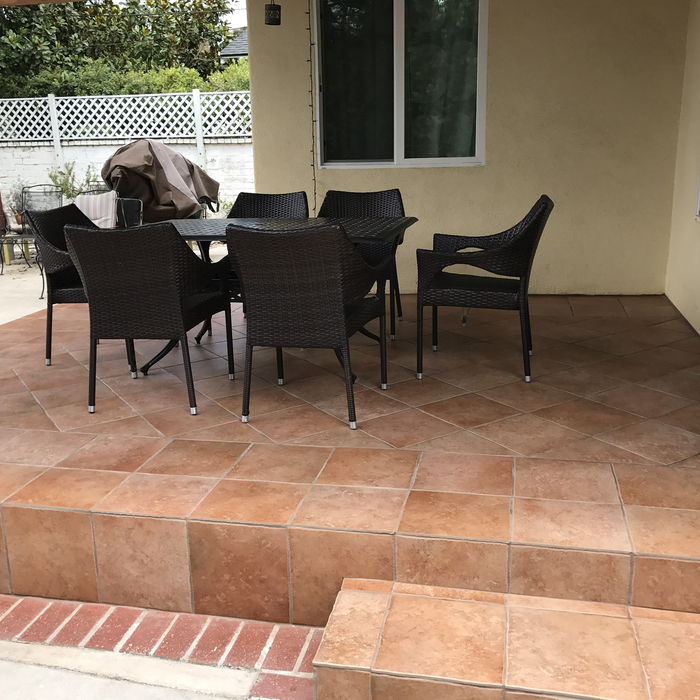








Top-rated fire pit installation pros.

Get matched with top fire pit installation pros in Ontario, CA

Enter your zip and get matched with up to 5 pros

Need a pro for your fire pit installation project in Ontario, CA?

Select your specific project to find the pro for you.

TRUSTED BY ONTARIO, CA HOMEOWNERS

  • Average homeowner rating star icon4.5
    Average homeowner rating
  • Verified reviews icon377
    Verified fire pit installation services reviews

Find Fire pit installation pros in Ontario

No results for Fire pit installation pro in

Try adjusting your search criteria.
Fire Pit Installation questions, answered by experts

No, it is not safe to use an outlet that sparked. A spark from an outlet could indicate a short circuit, loose or frayed wiring, or other serious damage. Continuing to use an outlet that sparks can increase the risk of electrical shock, electrical fires, and other hazards. It's important to turn off the power to the outlet at the circuit breaker if possible and avoid using the outlet until a licensed electrician has inspected and repaired it.

A chimney requires both a cover and a cap, but these parts often get confused with one another. A chimney cover seals the top of the chimney around the flue pipe to prevent water from entering the chimney. A chimney cap is a piece that sits above the flue to prevent animals, debris, and water from entering the flue.

Yes, a water leak poses a major fire risk at your home because water is a conductor of electricity. Water that comes into contact with sparks or electrical wires can instantly ignite flammable materials. Additionally, any type of exposure to water can cause wires and other electrical components within your home to corrode. When assessing categories of water damage, it's important to know that even a small amount of moisture near wiring could cause sparks that lead to a fire.

In general, it will take about 90 minutes to burn the creosote sweeping log by itself, allowing it to work its magic. This may be longer or shorter depending on the conditions of your chimney.

No, but they both serve distinct life-saving purposes. Smoke detectors primarily sense the presence of smoke, typically caused by a fire, and emit loud alarms to alert occupants to evacuate. In contrast, carbon monoxide detectors monitor the levels of carbon monoxide gas, an odorless and colorless but deadly substance produced by incomplete combustion of fuels. When CO levels become dangerous, CO detectors sound alarms to warn inhabitants of potential poisoning risks. 

The Ontario, CA homeowners’ guide to fire pit installation services

From average costs to expert advice, get all the answers you need to get your job done.