





Top-rated basement waterproofing pros.

Get matched with top basement waterproofing pros in Williams, AZ

Enter your zip and get matched with up to 5 pros

Find Basement waterproofing pros in Williams

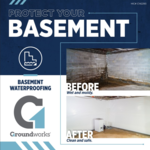
Avatar for Groundworks
Groundworks
5.0(
7
)

Serving Williams, AZ and surrounding areas

Approved (Corporate)

In business since 2000

Free estimates

Warranties offered

"Alex and Donavan were very thorough. Discovered more than what we called them for. We originally wanted information on sealing cracks to eliminate cricket infestation coming through cracks in stem wall. We were not interested in repairing foundation rebar which is typical in slab homes in AZ. They were knowledgeable and honest in their evaluation of our home."
Basement Waterproofing
Crawl Space

+22

154 neighbors recently requested a quote

Avatar for Hampton Enterprise LLC
Hampton Enterprise LLC
3.7(
9
)

Serving Williams, AZ and surrounding areas

In business since 1989

Free estimates

Emergency services offered

"I only use James when I need some work done to my house. He responds fast, gets the work done quicker than just about anyone else I've ever used and seems very concerned with leaving his customers happy."
Additional Photos
Additional Photos
Recommended by60%of homeowners
Basement Waterproofing questions, answered by experts

You should plan on waiting at least a year and ideally two to three years after construction before finishing your basement. This will give the foundation time to settle in response to the weight of your home and the expansion of the surrounding soil. You can then repair your foundation and seal any cracks as needed before finishing it to reduce your risk of future leaks or other issues.

While a standard gutter system is widely considered the most effective way to prevent water damage to your home's foundation, several alternatives are available. These options can be used on their own in certain climates or as supplementary protection.

Common alternatives include:

  • Rain Chains: These are decorative chains that hang from the roof's edge, guiding rainwater to the ground.

  • Drip Edges: These metal strips are installed at the edge of the roof to direct water away from the fascia. While often used with gutters, they can be paired with a ground-level solution but are typically not sufficient on their own.

  • Rain Dispersal Systems: These systems work by breaking up the heavy sheet of water flowing off the roof, dispersing it over a wider area.

  • French Drains: This ground-level system uses a perforated pipe in a gravel-filled trench to collect and redirect water runoff away from the house.

  • Drip Paths: Placed directly below the roofline, these paths made of concrete, stone, or other materials prevent soil erosion and guide water away.

It's important to note that some alternatives like rain chains and dispersal systems may not be adequate in regions with heavy rainfall because they don't divert water away from the foundation as effectively as a full gutter system. Ground-based solutions like French drains can be very effective but are often more expensive and can affect your landscaping and curb appeal. Many experts recommend installing a full gutter system for maximum protection and using alternatives as supplementary measures.

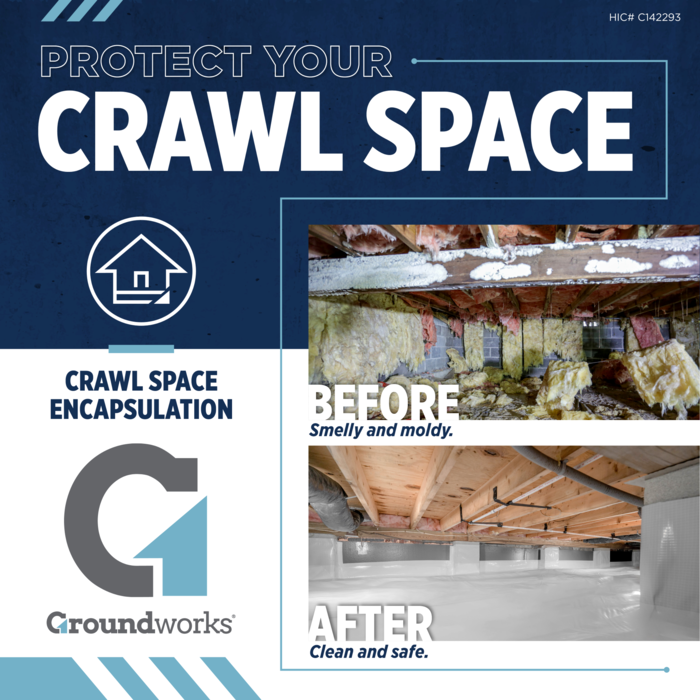
If you don’t wish to dig it out and convert it into a finished basement, you can still encapsulate your crawl space to protect it from damage for an average cost of $5,500. Finishing a crawl space beyond this isn’t really worthwhile, as the low ceilings mean you won’t be able to use the area as living space.

To maintain an outdoor structure, perform regular inspections for damage, leaks, and weak joints. Clean the structure regularly, treat or repaint wood surfaces for weather resistance, and reinforce any weak joints to prevent deterioration and ensure its longevity.

Whether to waterproof your basement from the interior or exterior depends on several factors, including your budget.

Exterior waterproofing is generally considered the superior method because it stops water at the source, preventing it from seeping into and damaging your basement walls. This approach offers the most protection, making it ideal if you use your basement for storage.

By contrast, interior waterproofing is often less expensive and requires less labor because the area is more accessible.

For maximum protection against water leakage and moisture, applying waterproofing measures to both the inside and outside is the best solution. However, if you must choose only one, stopping water from the outside is the most effective approach to preserve your foundation and prevent damage.

The Williams, AZ homeowners’ guide to basement waterproofing services

From average costs to expert advice, get all the answers you need to get your job done.