We are a state certified general contractor specializing in residential remodeling, improvements and repairs, such as: professional painting, roofs and 50 year roof coatings, stucco and stucco repairs, installation of windows and doors, all carpentry, etc., and basically anything from roof to the foundation- both interior and exterior. We can provide up to 7 pages of letters of recommendation from our satisfied customers. We stand behind our motto, "Professional work... not promises!"
Our mission at Hampton Enterprise LLC is to provide clients with superior customer service, quality work and speedy service in all aspects of their home improvement needs. Licensed, insured and trusted since 1989; come discover the Hampton difference today!\n\nWe specialize in the installation and repair of Windows, Doors, Flooring, Sinks, Bathtubs, Showers, Sprinkler Systems and much more. We also offer Interior and Exterior Home Painting, Custom Welding Fabrication and Carpentry.Localy in your area just call and i will call back with a local number thank you . from James Hampton\n\nAL.Dothan 334-648-3817,\nAL Birmingham 334-648-3817,\nAL Huntsville 334-648-3817,\nAL Mobile 334-648-3817,\nAL Tuscaloosa 334-648-3817,\nAL Montgomery 334-578-4761,\nAR Little Rock 334-648-3817,\nAZ Phoenix 334-648-3817,\nCA LosAngeles/Sacramento 334-648-3817,\nCO Denver/Colorado Springs 334-648-3817,\nCT Hartford 334-648-3817,\nDE Dover 334-648-3817,\nFL Tallahassee 334-648-3817,\nFL Cape Canaveral/ Cocoa 334-648-3817,\nFL. Destin 334-648-3817,\nFL Gainsville 334-648-3817\nFl Jacksonville 334-648-3817,\nFL Orlando 334-648-3817,\nFL Panama City 334-648-3817,\nFL Tampa 334-648-3817,\nFL Miami 334-648-3817,\nGA Atlanta 334-648-3817,\nGA Albany 334-648-3817,\nGA Augusta 334-648-3817,\nGA Columbus 334-648-3817,\nGA Macon 334-648-3817,\nGA Valdosta 334-648-3817,\nIA Des Moines 334-648-3817,\nID Boise 334-648-3817,\nIL Chicago/Springfield 334-648-3817,\nIN Indianapolis 334-648-3817,\nKS Levenworth/Topeka 334-648-3817,\nKY Frankfort 334-648-3817,\nLA New orleans/Baton Rouge 334-648-3817,\nMA Boston 334-648-3817,\nMD Annapolis 334-648-3817,\nME Augusta 334-648-3817,\nMI Detroit/Lansing 334-648-3817,\nMN Saint Paul 334-648-3817,\nMO kansas City/Jefferson City 334-648-3817,\nMS Jackson 334-648-3817,\nMS Biloxi 334-648-3817,\nMS Gulf Port 334-648-3817,\nMT helena 334-648-3817,\nNC Raleigh 334-648-3817,\nND Bismark 334-648-3817,\nNE Lincoln 334-648-3817, \nNJ Trenton 334-648-3817,\nNM Santa Fe 334-648-3817,\nNV Carson City 334-648-3817,\nNV Las Vegas 334-648-3817\nNY Albany 334-648-3817,\nOH Columbus 334-648-3817,\nOK Oklahoma Ciy 334-648-3817,\nOR Salem 334-648-3817,\nPA harrisburg 334-648-3817,\nRI Providence 334-648-3817,\nSC Columbia 334-648-3817,\nSD Pierre 334-648-3817,\nTN nashville 334-648-3817,\nTX Austin 334-648-3817,\nUT Salt Lake City 334-648-3817,\nVA Richmond 334-648-3817,\nVT montpelier 334-648-3817,\nWI Madison 334-648-3817,\nWV Charleston 334-648-3817,\nWY Cheyenne 334-648-3817
Basement Waterproofing questions, answered by experts
Proper drainage is the only way to ensure that your crawl space stays dry. Depending on your property and the extent of your issue, you might need to consider a gutter system, a French drain, or sump pumps to avoid and handle water and moisture under your home. Dehumidifiers can also help to prevent moisture from accumulating if you have a high-humidity environment.
Home improvement grants are available for various groups, including individuals with very low-income housing, elderly people, older adults, and veterans. These grants can cover a range of needs, from accessibility modifications to addressing critical issues that may affect a resident's health or safety.
When doing any type of project involving mold, it's important to wear the right protective gear. You'll want an N-95 or KN-95 mask to keep yourself from inhaling mold spores, which can be irritating or trigger an allergic reaction in people with weakened immune systems. You'll also want to wear protective eyewear and gloves to limit your contact with mold.
A leak under your foundation from a water supply line or sewage line is likely to lead to water pooling on certain areas of your property during rainfall, abnormally fast-growing or green grass in certain sections of your lawn, and differential settlement of your foundation, which can result in large foundation cracks, windows and doors failing to operate properly, a wavy or sloping roofline, or damages or irregularities in your interior walls, including cracks and bulging. If it’s a plumbing line embedded in your slab, you’ll also likely notice above-average water bills.
Installing a bathroom in a basement isn’t a project for most homeowners. Many parts—plumbing, electricity, and carpentry—go into this project, each requiring expert-level knowledge and tools. One miscalculation can lead to very expensive repairs. Plus, some homeowner’s insurance might not pay for damages caused by a homeowner DIYing this project. You can protect yourself by allowing the pros to complete this job for you.
The Bagdad, AZ homeowners’ guide to basement waterproofing services
From average costs to expert advice, get all the answers you need to get your job done.
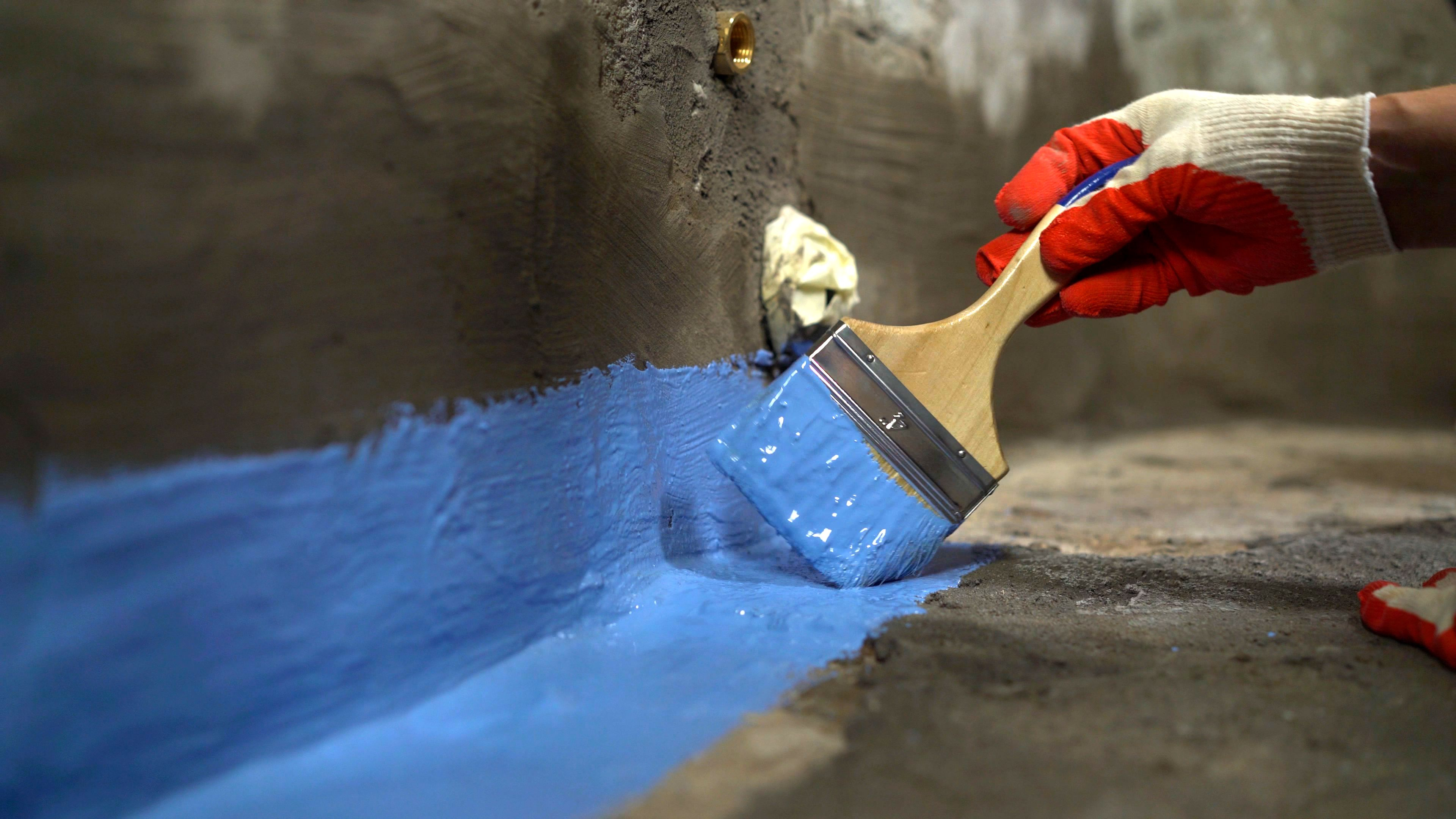
Need to fix basement water problems or safeguard your home from damage in the future? Use this basement waterproofing cost guide to budget appropriately.
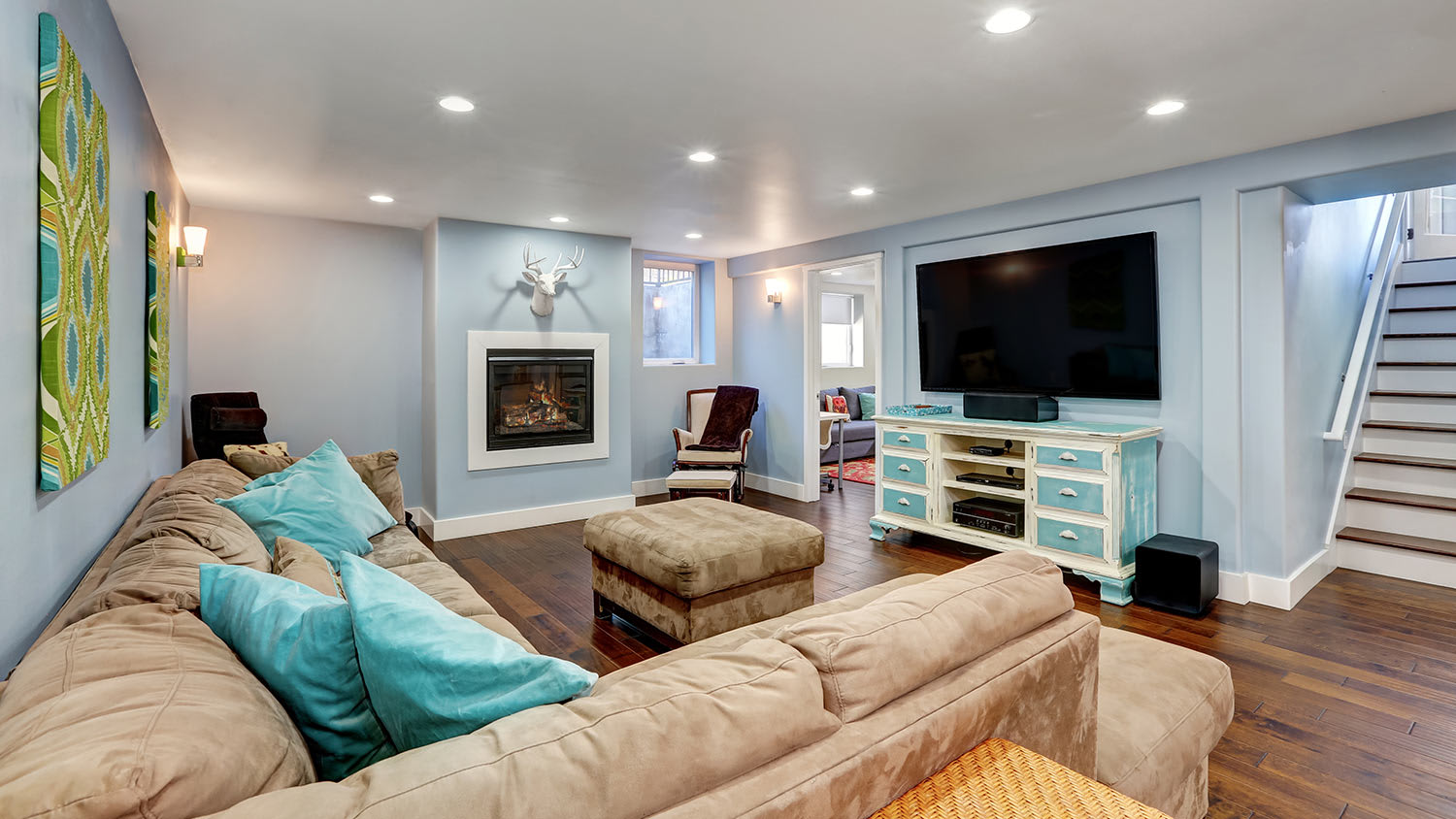
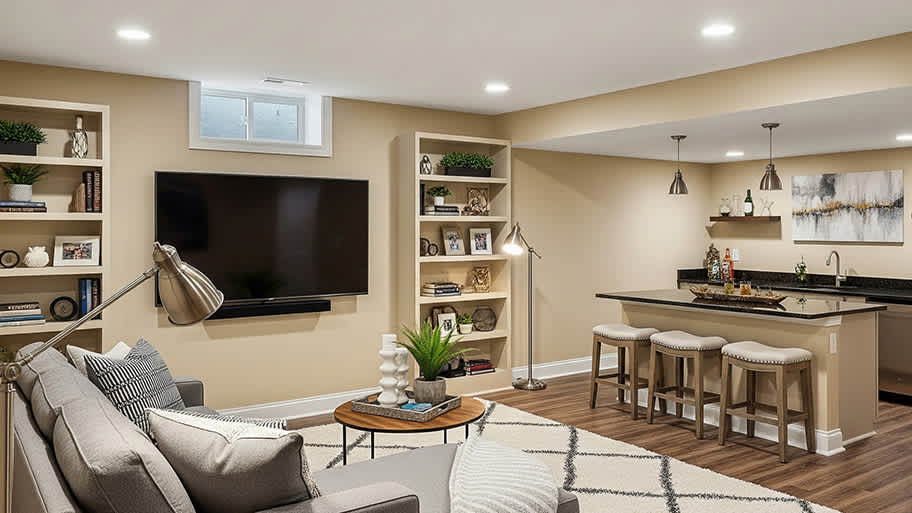
An unfinished basement has a lot of potential for a family room or guest suite. So how much does it cost to finish a basement? Read on for all cost factors.
A variety of factors can affect your total crawl space encapsulation cost. Here’s a breakdown of the cost of this project, whether you hire a pro or DIY.
Waterproofing your basement is important to protect your home. Follow these tips to ensure that you hire the right waterproofing contractor for the job.
Dealing with a damp basement? Follow these steps for DIY basement waterproofing to keep water and moisture out and boost your home’s energy efficiency.