"We recently had vinyl plank flooring installed in our living room and hallway, and I couldn’t be happier with the results! From the very beginning, Shepherds Contracting was transparent, informative, and fair with pricing. The installation itself was seamless—no gaps, no mess, and absolutely no stress. The craftsmanship and professionalism truly stood out. If you’re looking for a company that delivers quality work with care and integrity, Shepherds Contracting is it!"
We are a general contracting company with 42 years in the trades, we pride ourselves on honesty and integrity and we treat every job like our own home.
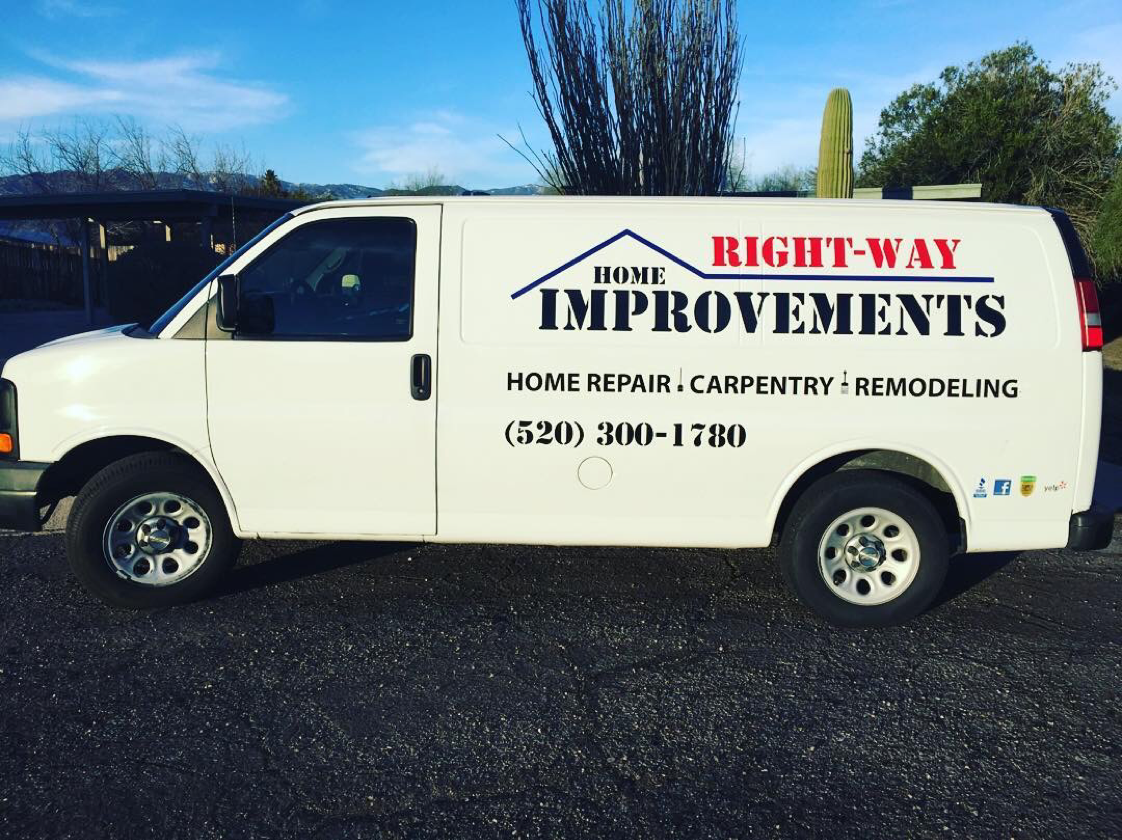
"Right-way Home Improvements did a great job on 2 large metal sliding glass doors for us. They were professional, courteous and timely. I highly recommend this team for your needs."
"Jeff is an amazing professional! He’s very detailed, he does things right and he’s timely. He helped us every step of the way through design, permitting and completion of our home and additional porches. We would definitely have him do any other project we had on our list- You will not be disappointed. And… he’s a really nice guy!"
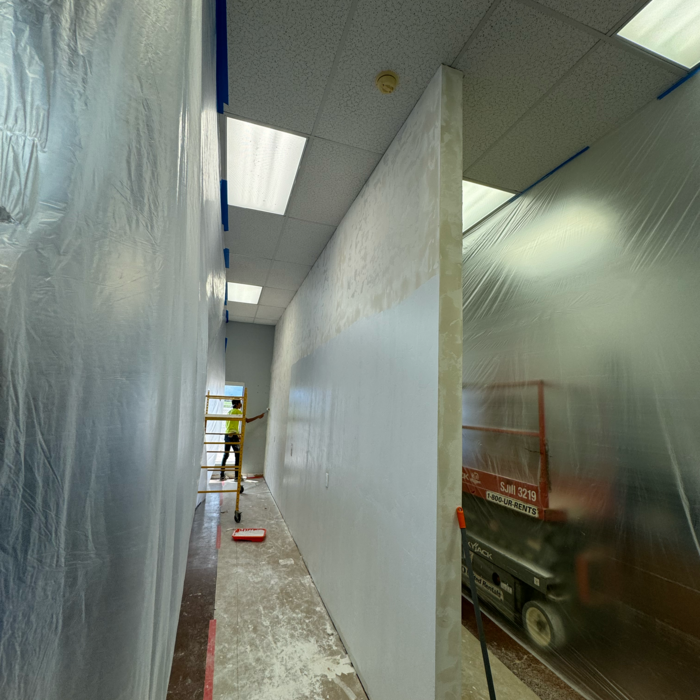
"Excellent. They were timely. They cleaned up after themselves. They were professional. They were respectful and friendly. They made me feel comfortable and relieved. They took extra safety measures. They made sure everyone on the house was safe."
While it depends on door condition, the painter’s level of expertise, and weather conditions, it’s safe to set aside two to three days to complete this project, especially if you anticipate adding multiple coats of paint, which can take eight to 12 hours to dry. Your professional should be able to provide an estimate for the project timeline.
Start by assessing your needs, setting a realistic budget, creating design plans, and selecting materials. Consulting professionals for advice can streamline the process.
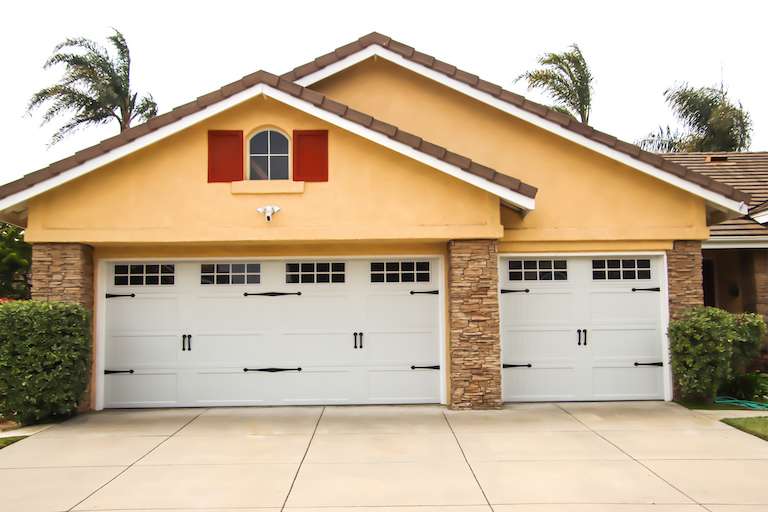
When it comes to hurricane garage doors, you don't have to sacrifice style for safety. Many manufacturers offer customization options, allowing you to design a door that not only protects your home during storms but also complements its overall look. You can choose from various materials, colors, finishes, and features to match your home's architectural style and personal taste. Whether you prefer a sleek modern design or a more traditional look, there's a customization option for you.
The difference between vinyl and rubber garage door bottom seals comes down to cost, flexibility, and climate. Vinyl is the budget-friendly option, lasting well in moderate climates and resisting wear and tear. In colder climates, it can get stiff and make installation more difficult. Alternatively, rubber offers more flexibility, even in freezing temperatures, and better sticks to uneven surfaces. Rubber is more expensive but tends to be more adaptable.
The ideal temperature for your garage in the winter is between 40 and 68 degrees Fahrenheit. Maintaining a minimum temperature of at least 40 to 50 degrees is crucial to prevent pipes, liquids, and other items from freezing. Low temperatures can also drain your car battery, so keeping the garage stable is vital for your vehicle. While the lower end of the range protects your belongings, the higher end is based on your personal preference for a comfortable space. If you struggle to keep the temperature from dropping below 40 degrees, consider installing a garage heater.
The Vail, AZ homeowners’ guide to garage services
From average costs to expert advice, get all the answers you need to get your job done.
Want to add value and living space to your home? Use this guide to figure out the cost to convert your garage into living space to see if it’s worth it.
For most homeowners, a garage needs to be big enough for more than parking a car. Use this guide to figure out the average garage size and how to build from there.