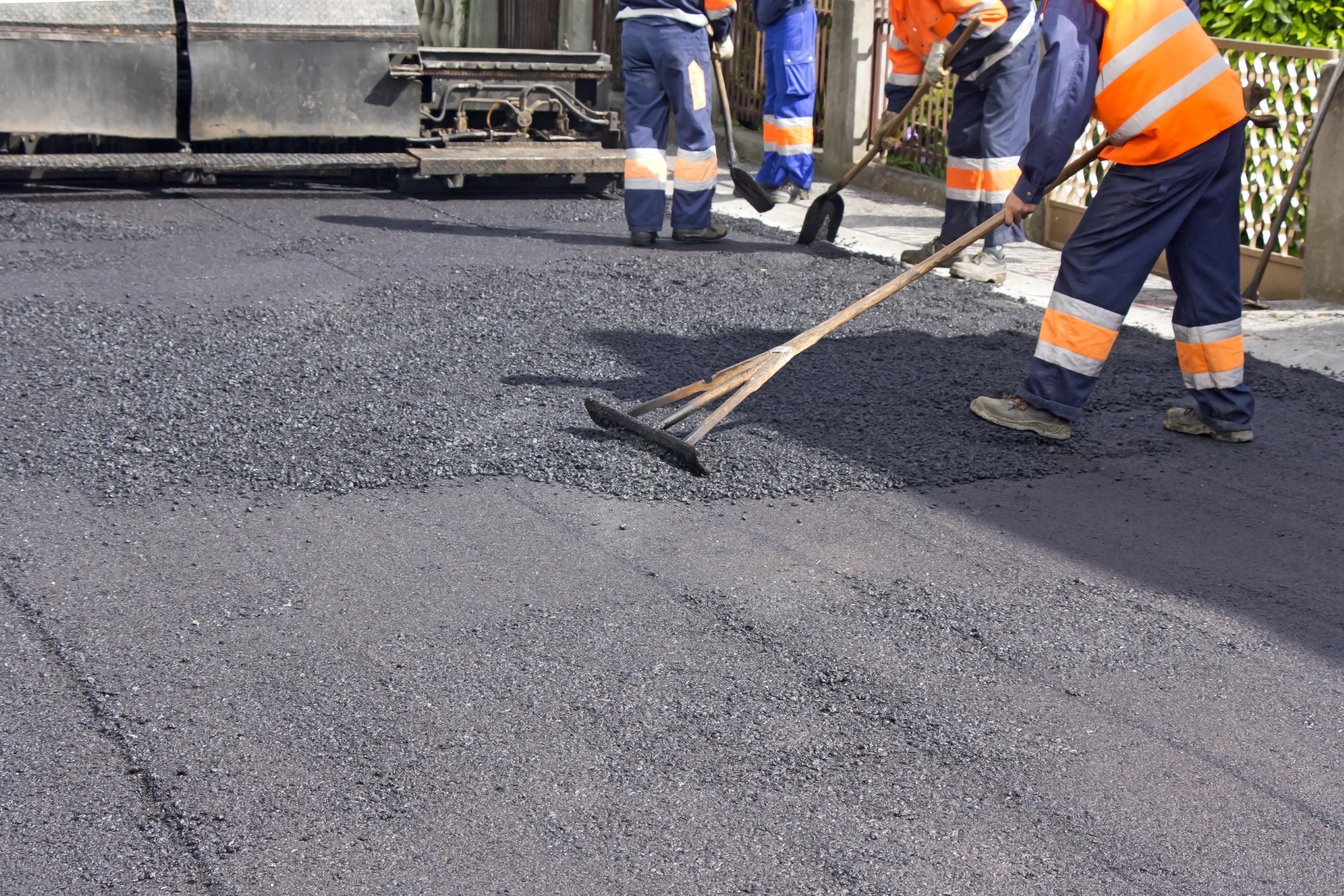
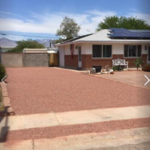
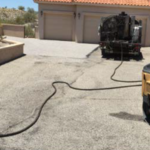
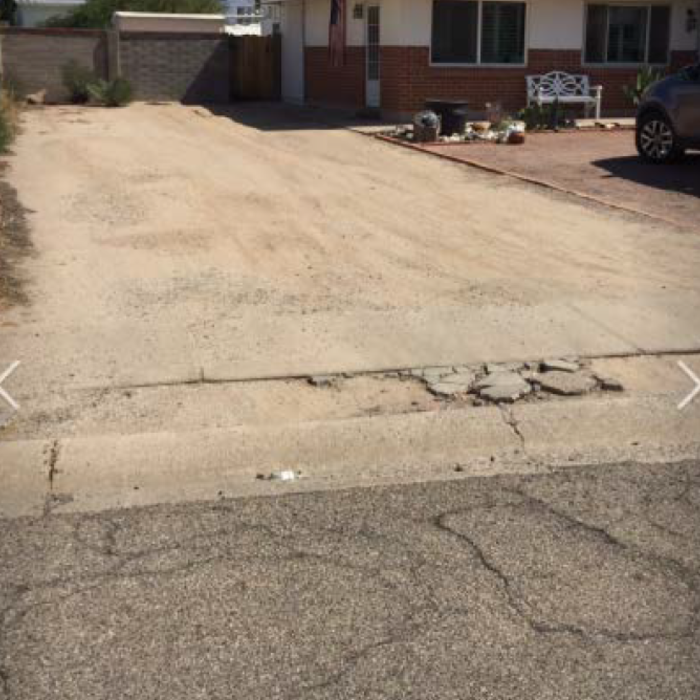
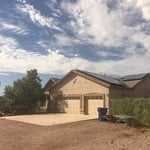
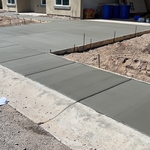
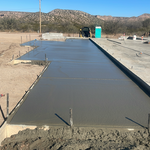
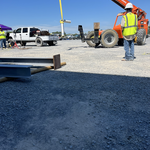
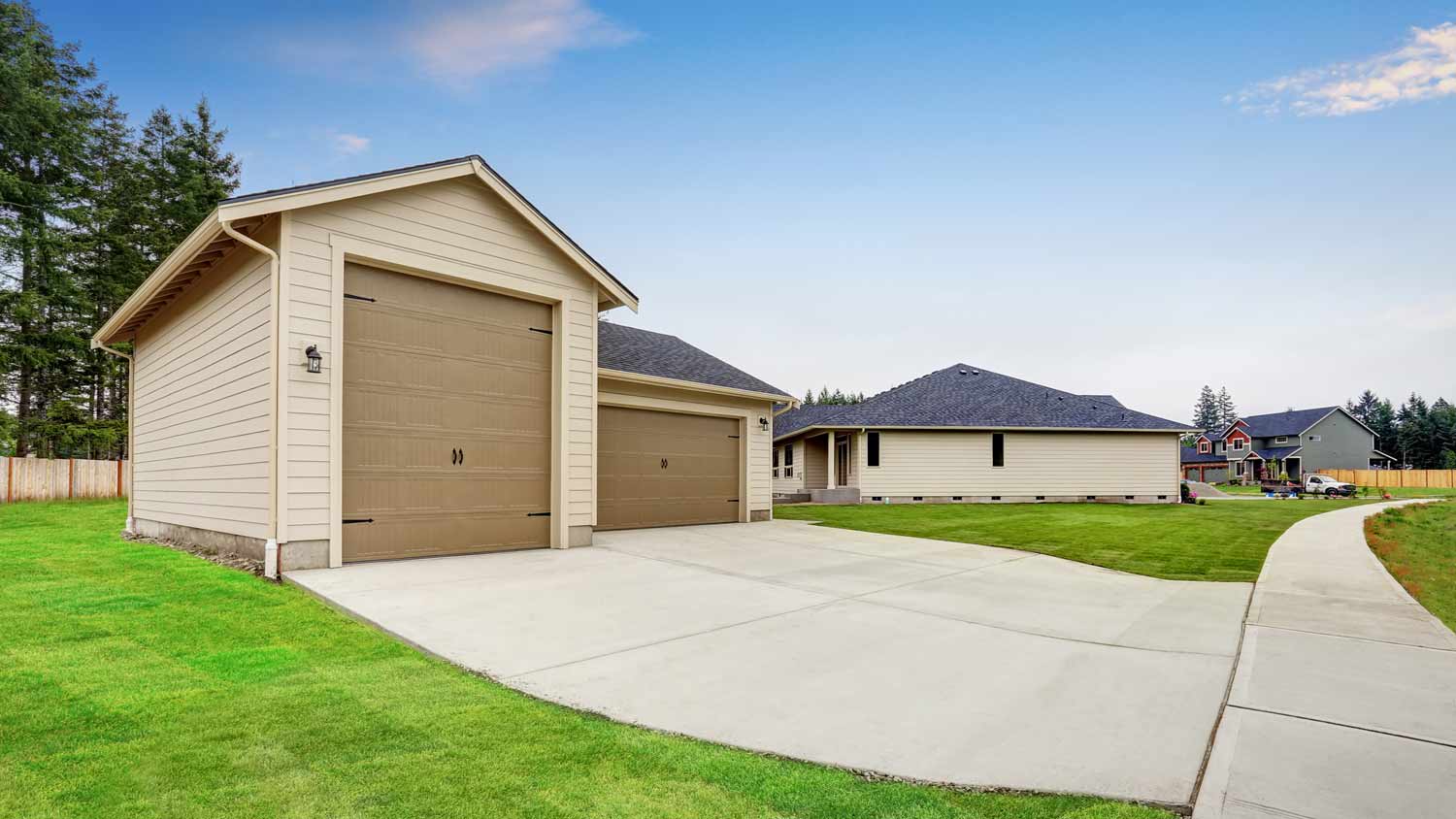
"Driveway is done!! They took it from a camper on grass and rocks, falling apart driveway, crumbling parking pad to a gorgeous solid camper pad, parking pad, flat, no standing water on the driveway area. Leonard and the entire crew was the friendliest, most professional group, they worked hard, showed up when agreed on, finished quickly and gave me a “walk around” to make sure it met my standards before leaving. I got to meet the owner several times, he treated us like he’d known us forever each time we talked. I would definitely recommend APS Chip Seal & Paving."
"The people at Pro Seal really are experienced Our job required crack sealing and seal coating all the streets in our gated community. The work was coordinated in such a way that our residents experienced very little inconvenience. All of the workers were so skilled, thoughtful, and conscientious. We could tell they do a lot of this work. They were the most competitive bid as well. We highly recommend them! Timbers Residents"
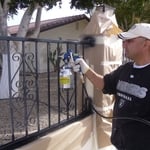
"Nothing but a positive experience from Aaron Trail. Very easy to communicate with. Very prompt, kept all appointments. The new paint looks amazing and just the colors we selected. All stucco repairs that were made were blended so well, there is no way to tell where the original issues were! I already have recommended them to friends and family, I will continue to do so. Very happy with Aaron Trail! "
We have the experience and dedication to get the job done right! Specializing in Painting and Landscaping services; We guarantee your satisfaction, and we won't leave until the job is done right. We pride ourselves on the quality work we provide, while delivering great customer service! Call or\nclick for your FREE estimate today!\n
We take great pride in our experience, expertise, quality and customer service that we provide to meet your needs. It is our mission to provide excellent workmanship and complete customer satisfaction from start to completion of a project. In order to understand the needs and expectations of our customers, we take great care to work and communicate with every customer in a professional manner. Our reputation is based on service, safety and quality, regardless of how large or small the job.
Haseyah Enterprises, LLC prides itself on being the number one Home Improvement Company in the area. We service both residential and commercial properties. We have built an excellent reputation for customer satisfaction by providing quick estimates, a great attention to detail, and competitive pricing. Being a screened and approved professional gives you the peace of mind you need to allow us to give your home the attention it deserves. Call us today and let's get started!
Here at Garcias Constructors we work hard every day to meet and exceed any Excavation,Grading,Asphalt prep, Drainage/Pipe, Gravel, Pads, projects you need done. Any type of Concrete.
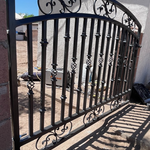
P & R Welding Services LLC specializes in providing high-quality welding solutions for residential, commercial, and industrial clients. Offering a wide range of services, including metal fabrication, custom welding, repairs, and installations, the company handles projects involving steel, aluminum, and other metals. With a focus on precision, durability, and safety, P & R Welding Services LLC delivers expert craftsmanship for everything from structural welds to artistic metalwork. The business is committed to meeting clients' specific needs with efficient, reliable, and cost-effective welding services.\nCall or 'click' for an estimate today!\n\nServices include: Welding, fabrication, metal work, fencing, h-vac pipe removal installation and rehabilitation, steel carbon & stainless pipe welding
At a depth of two inches, a ton of asphalt covers around 80 to 100 square feet. However, the thicker the asphalt, the less surface area it will cover. That’s why measuring correctly is essential when estimating asphalt needs and costs to ensure you get enough material to cover your entire driveway, patio, or other asphalt surface.
Driveway aprons typically range between four and seven inches thick, though your town's building codes will likely have specific requirements. Additionally, you may need to add a layer of permeable aggregate in the excavation below your paved apron to ensure proper stormwater drainage.
Yes, it is possible to pave over an existing driveway, but whether it's the right choice depends on several factors. If the underlying structure of your current driveway is still strong, concrete or asphalt resurfacing can be a cost-effective way to prolong its life. However, if your driveway has significant issues like potholes, deep cracks, or other inconsistencies, it is best to remove the old driveway and start from scratch. Key factors to consider include the current driveway's condition, the compatibility of the new material, the added thickness and height, and the necessary surface preparation.
When hiring an asphalt paving contractor to install your driveway, ask as many questions up front as possible. Here are a few questions to ask a prospective driveway contractor:
How many years of experience do you have?
Are you licensed, bonded, and insured?
Do you have worker’s compensation?
Do you use subcontractors on your projects?
Do you clean up after the job is done?
Who is responsible for any damage to lawn or landscaping?
Do you provide a guarantee or warranty on your work?
Do you give free estimates?
What is the timeline for completion?
How do you handle change orders?
Can you provide at least three references?
Can I see some of the work you’ve done?
Gravel is the most economical and least expensive driveway material, costing between $1 and $3 per square foot. This is significantly cheaper than alternatives like asphalt or concrete. However, it's important to consider long-term costs, as gravel driveways require regular maintenance. You will likely need to add new gravel filling once or twice a year and regularly rake it to keep it level, which can add to the overall cost over time.
The Tsaile, AZ homeowners’ guide to asphalt driveway services
From average costs to expert advice, get all the answers you need to get your job done.
Adding a new asphalt driveway to your home can boost its overall appearance and give homeowners a nice ROI down the line. But how long do asphalt driveways last, and what can you do to maximize their lifespans? Read this guide to find out.