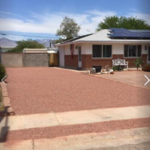
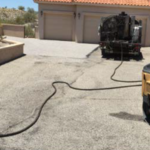
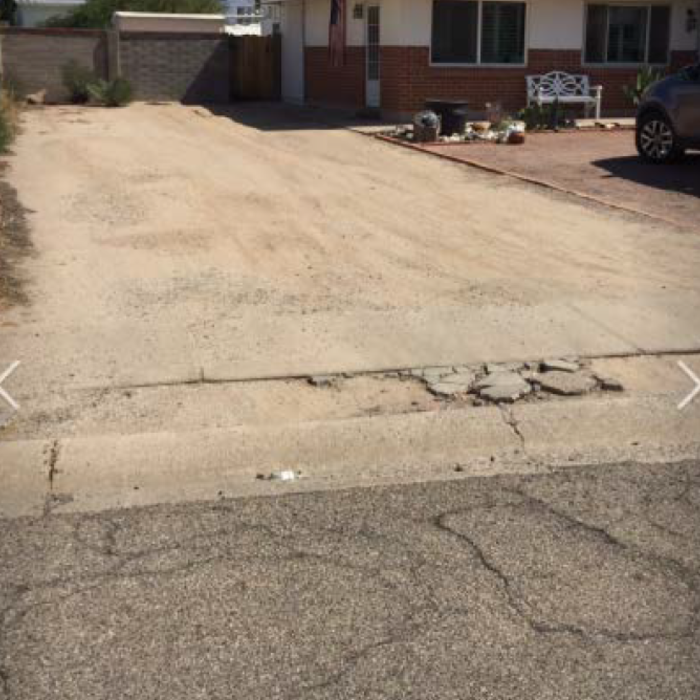
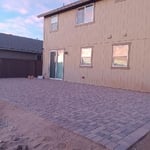
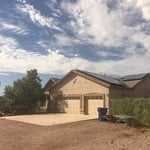
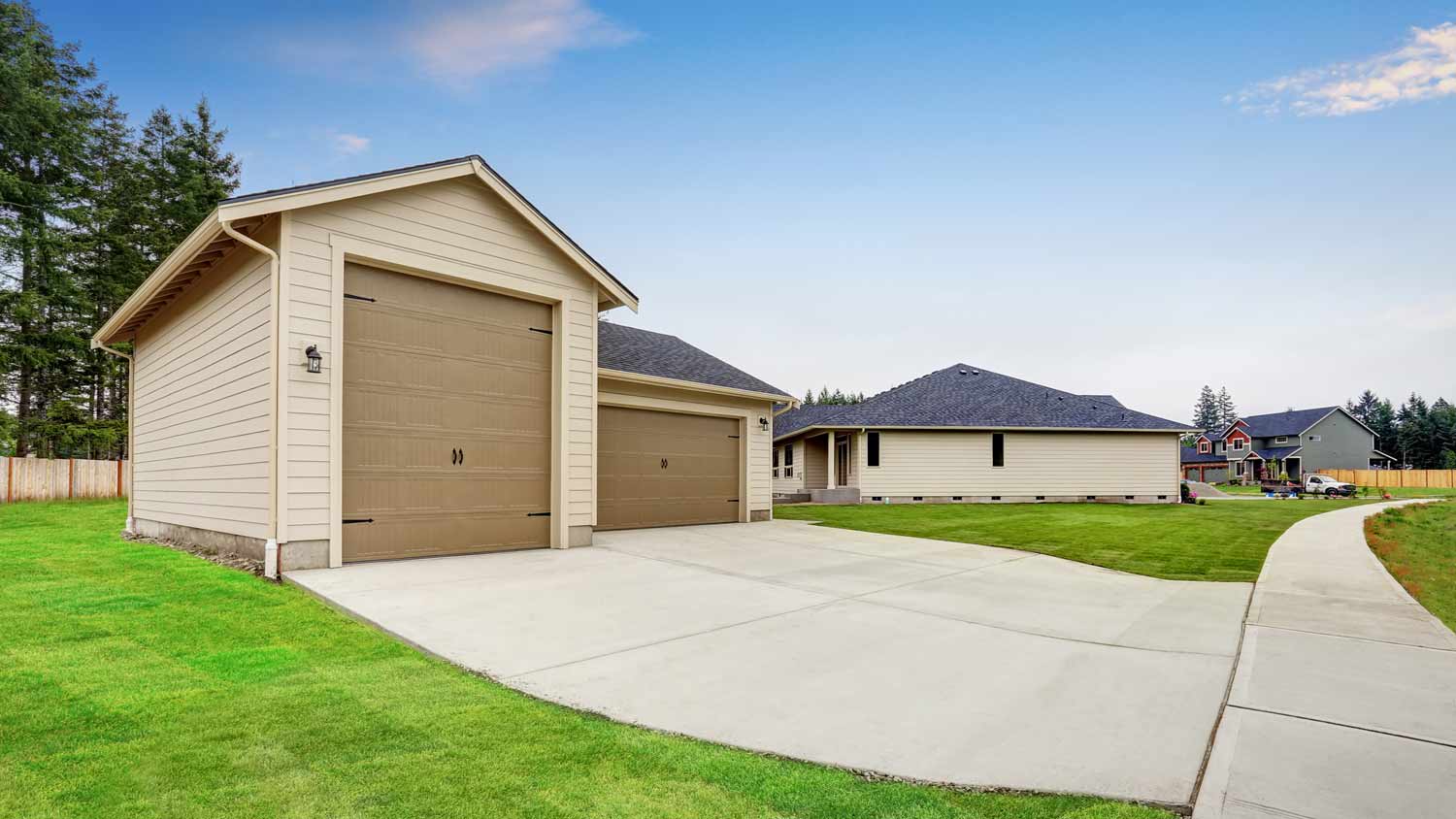
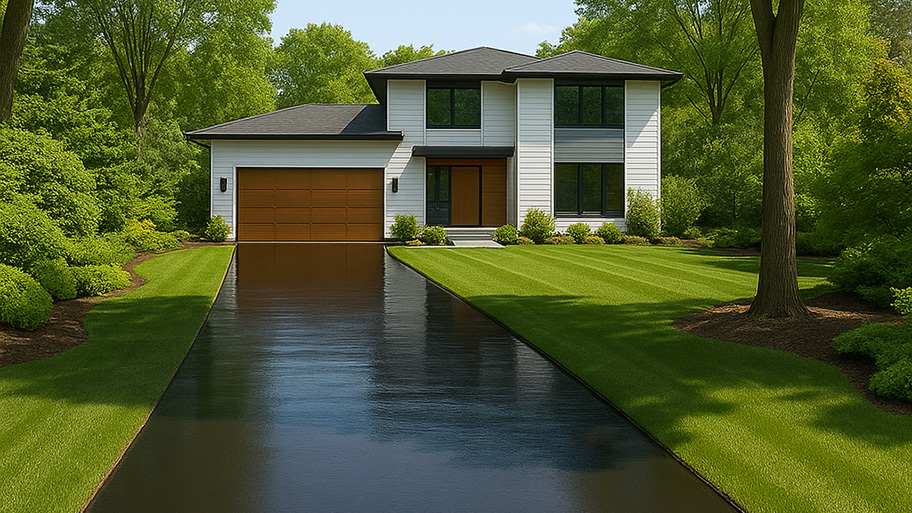
"Driveway is done!! They took it from a camper on grass and rocks, falling apart driveway, crumbling parking pad to a gorgeous solid camper pad, parking pad, flat, no standing water on the driveway area. Leonard and the entire crew was the friendliest, most professional group, they worked hard, showed up when agreed on, finished quickly and gave me a “walk around” to make sure it met my standards before leaving. I got to meet the owner several times, he treated us like he’d known us forever each time we talked. I would definitely recommend APS Chip Seal & Paving."
"The people at Pro Seal really are experienced Our job required crack sealing and seal coating all the streets in our gated community. The work was coordinated in such a way that our residents experienced very little inconvenience. All of the workers were so skilled, thoughtful, and conscientious. We could tell they do a lot of this work. They were the most competitive bid as well. We highly recommend them! Timbers Residents"
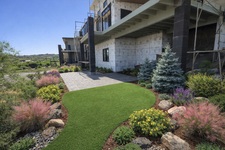
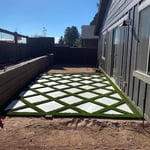
"Our yard turned out great and look forward to enjoying it for years to come. We are grateful to the hardworking team for making it all come together!"
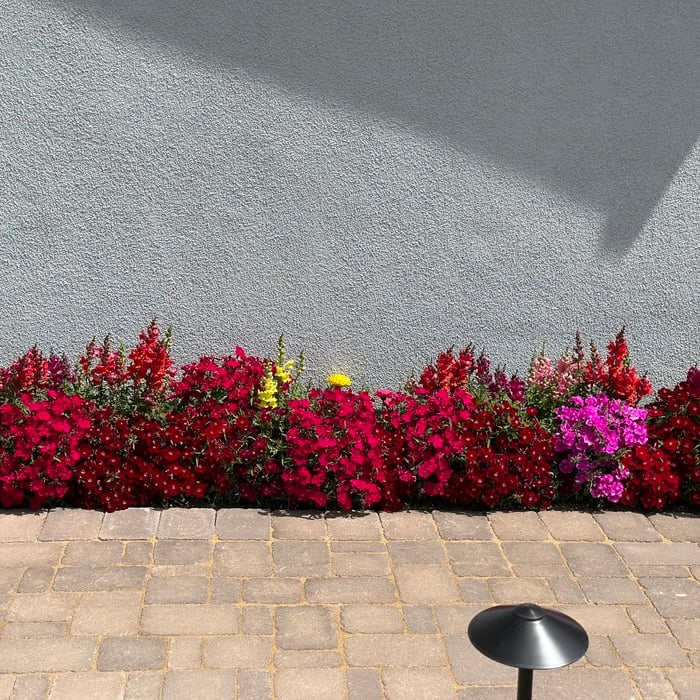
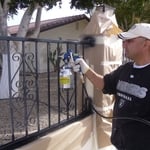
"Nothing but a positive experience from Aaron Trail. Very easy to communicate with. Very prompt, kept all appointments. The new paint looks amazing and just the colors we selected. All stucco repairs that were made were blended so well, there is no way to tell where the original issues were! I already have recommended them to friends and family, I will continue to do so. Very happy with Aaron Trail! "
We have the experience and dedication to get the job done right! Specializing in Painting and Landscaping services; We guarantee your satisfaction, and we won't leave until the job is done right. We pride ourselves on the quality work we provide, while delivering great customer service! Call or\nclick for your FREE estimate today!\n
We take great pride in our experience, expertise, quality and customer service that we provide to meet your needs. It is our mission to provide excellent workmanship and complete customer satisfaction from start to completion of a project. In order to understand the needs and expectations of our customers, we take great care to work and communicate with every customer in a professional manner. Our reputation is based on service, safety and quality, regardless of how large or small the job.
Haseyah Enterprises, LLC prides itself on being the number one Home Improvement Company in the area. We service both residential and commercial properties. We have built an excellent reputation for customer satisfaction by providing quick estimates, a great attention to detail, and competitive pricing. Being a screened and approved professional gives you the peace of mind you need to allow us to give your home the attention it deserves. Call us today and let's get started!
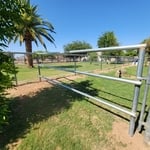
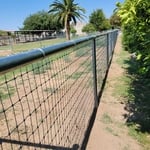
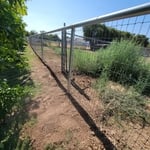
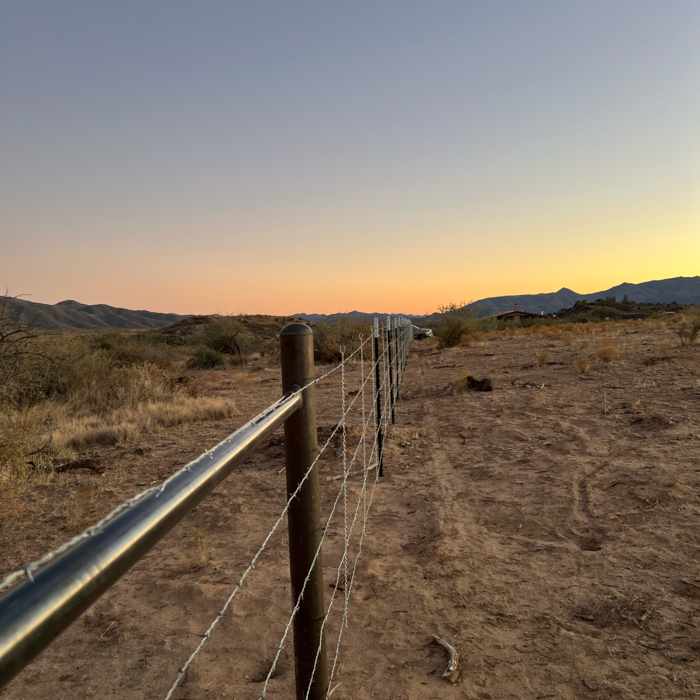
"This is a family-owned business that was once operated by parents(I think), but is now operated by their son, Blake. He is a young man, but was an amazing hard worker! I wanted two small sections of a wood fence replaced, including two gates. Blake worked diligently for two days to rebuild the fence sections that I am extremely happy with. As he was finishing those sections, I asked him if he would build and install a metal handrail on outdoor stairs in my backyard. He gladly said he would do that, and spent an extra day building and installing the handrail! I am very impressed with this company and the work performed. I highly recommend them for your fencing needs!"
The material that’s best for your private road depends on your property, the climate in your area, and your personal preferences. Gravel is an affordable option, but some homeowners don’t like how it looks. It can be a pain to remove snow from, and it requires more ongoing maintenance than asphalt or concrete. However, while these other options require less maintenance and make snow removal a breeze, they’re more expensive and will need repairs from time to time. Ultimately, you’ll have to choose the road material that suits you and your property best.
While some areas may allow for a slope of up to 20%, this is often the maximum slope for driveways, with a few exceptions of up to 25%. Other regions may have a maximum of 12%, 15%, or 18%, so check with your local building department to ensure you’re laying a driveway that is up to code for your location.
Asphalt is not a type of concrete. While both are a common type of pavement, asphalt is composed of aggregates (like sand and gravel) and bitumen; concrete is a mixture of cement, aggregates, and water. Here are some of the key differences between asphalt and concrete driveways.
The average cost of 1,500 square feet of asphalt ranges from about $10,500 to $22,500, depending on location, thickness, base material, and how accessible the job site is to crews and equipment. Keep in mind that your asphalt material cost may vary depending on its type, ranging from porous asphalt to heated blacktop. Standard asphalt costs $7 to $13 per square foot.
Recycled asphalt is not better than gravel, but can be a good alternative. It is inexpensive, but not as low-cost as gravel, and doesn’t tend to last as long. Recycled asphalt isn’t as dusty as gravel and is more environmentally friendly. The black look can be something that homeowners prefer. No matter what, ensure you choose an experienced recycled asphalt contractor.
The Pinon, AZ homeowners’ guide to asphalt driveway services
From average costs to expert advice, get all the answers you need to get your job done.
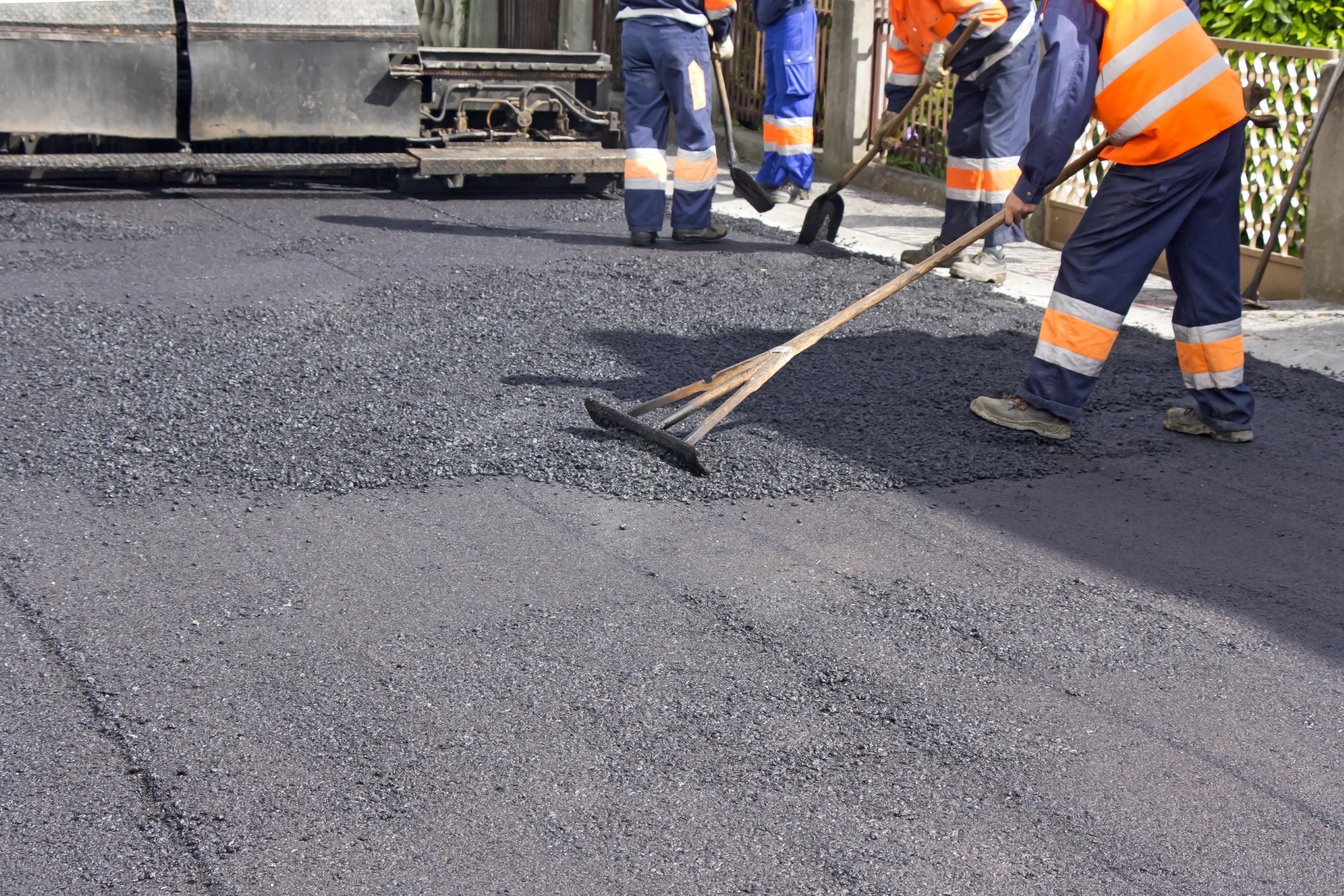
Adding a new asphalt driveway to your home can boost its overall appearance and give homeowners a nice ROI down the line. But how long do asphalt driveways last, and what can you do to maximize their lifespans? Read this guide to find out.