




Top-rated insulation pros.

Get matched with top insulation pros in Queen Creek, AZ

Enter your zip and get matched with up to 5 pros

Need a pro for your insulation service project in Queen Creek, AZ?

Select your specific project to find the pro for you.

TRUSTED BY QUEEN CREEK, AZ HOMEOWNERS

  • Average homeowner rating star icon4.5
    Average homeowner rating
  • Verified reviews icon185
    Verified insulation services reviews

Find Insulation pros in Queen Creek

Avatar for Valley Insulation LLC
Valley Insulation LLC
5.0(
21
)
Blown-In Insulation - Install or Upgrade

Serving Queen Creek, AZ and surrounding areas

Approved

In business since 2021

Free estimates

Emergency services offered

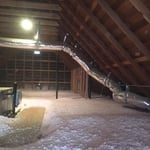
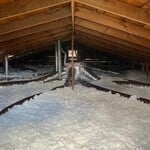
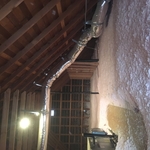
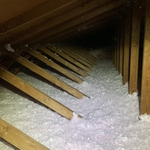
"Valley Insulation responded quickly with a very reasonable quote and fit me into their schedule in a timely manner. They took before and after pictures to show their work product. I would definitely use them again and refer them to friends and family."
Attic Insulation
Attic Insulation
Blown in Insulation
Fiberglass Insulation
Blown in Insulation

+9

Response time4 hrs
Response rate100%
16 neighbors recently requested a quote
Avatar for Hawx Insulation-Phoenix
Hawx Insulation-Phoenix
4.1(
361
)
Blown-In Insulation - Install or Upgrade

Serving Queen Creek, AZ and surrounding areas

Approved

In business since 2013

Free estimates

Credit card accepted

At Hawx Pest Control, our company is based on the belief that our customers' needs are of the utmost importance. Our team is committed to meeting those needs. Hawx Premium Pest Control will treat your pests, mosquitos, and more- then keep them away for good. If pests come back between treatments so will we, at no additional cost to you. We welcome the opportunity to earn your trust and deliver you the best service. No job is too big or too small for our experienced team. Call today for a quote. \n

12 neighbors recently requested a quote
Recommended by75%of homeowners
...
Showing 1-10 of 58
Insulation questions, answered by experts

A-frame houses pose specific challenges that can make heating difficult. Their open concept design with high ceilings can lead to a colder lower floor and a warmer upper floor. A ceiling fan that pushes warm air down or pulls cold air up, depending on the season, can easily counteract temperature issues. Additionally, certain types of heating do better in these homes than others. For example, heated floors tend to be more practical and energy efficient than baseboard heating.

The most obvious con of injection foam is the cost. It’s much more expensive to install than fiberglass or spray foam, but it may be your only option (unless you want to remove entire walls around the home). Another con is that it involves drilling into existing material, which has to be repaired after the foam is injected. Some injection foams are made from products that aren’t environmentally friendly, and improper installation can lead to trapped moisture, which can lead to expensive mold remediation down the road. 

R-value stands for resistance value and is a number assigned to insulation that states how good the insulation is at heat transference (insulation). The R-value of injection foam is around 4 which homeowners will be happy to know is actually quite good. Another benefit of injection foam versus fiberglass foam is that the colder it gets, the more injection foam retains its resistance properties, whereas fiberglass tends to lose its efficiency in colder temperatures.
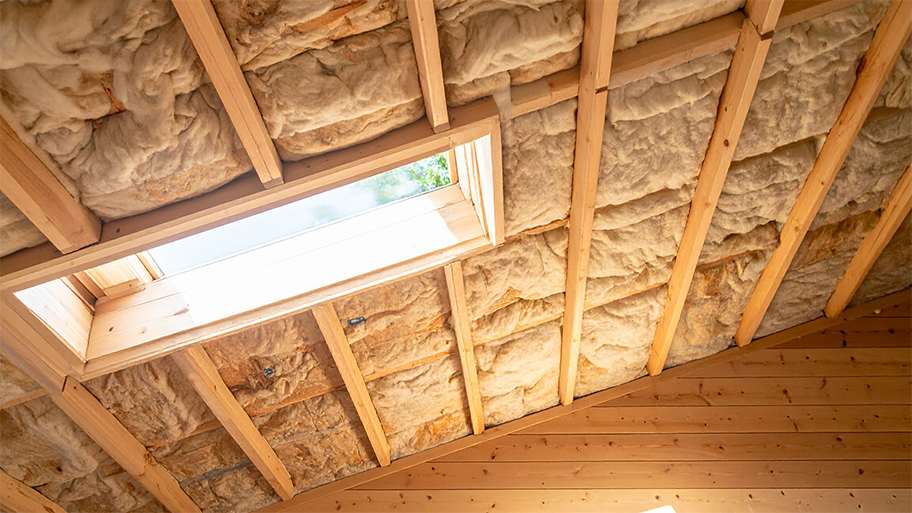
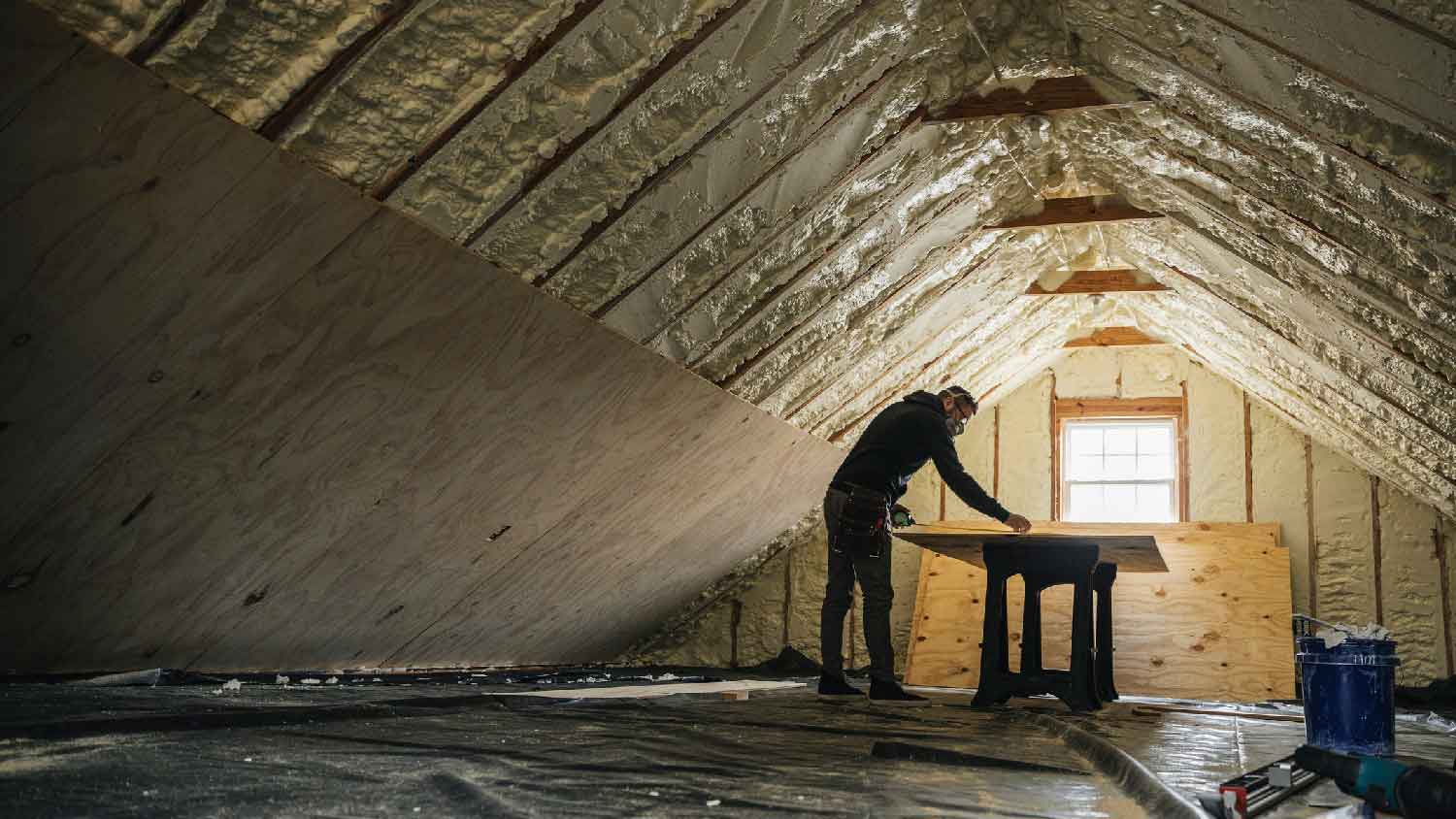
The cost of installing spray foam insulation is $2,760 on average, but this cost can be as low as $650 or as high as $7,700. The main cost factor is the size of the insulated area and the type of spray foam insulation. 

Polyurethane spray foam costs between $0.44 and $1.50 per board foot, where a board foot is equal to the volume of a one-foot length of a board. More expensive options, like soybean or vegetable oil spray foam, range from $1.50 to $3.00 per board foot.

Yes, it is possible to have too much insulation, which can have detrimental effects. While more insulation might seem better for energy efficiency, a home needs to "breathe" or ventilate to release moisture that accumulates inside. Over-insulating can seal a house too tightly, trapping water vapor and leading to several problems, including mold, mildew, and condensation. Homes in warm, humid climates are particularly susceptible to mold, while those in colder climates can experience condensation from temperature fluctuations. Additionally, adding more insulation than the recommended amount for your climate may not provide recoverable energy savings. To avoid these issues, consult a professional insulation contractor who can determine the optimal amount of insulation for your home.

The Queen Creek, AZ homeowners’ guide to insulation services

From average costs to expert advice, get all the answers you need to get your job done.