
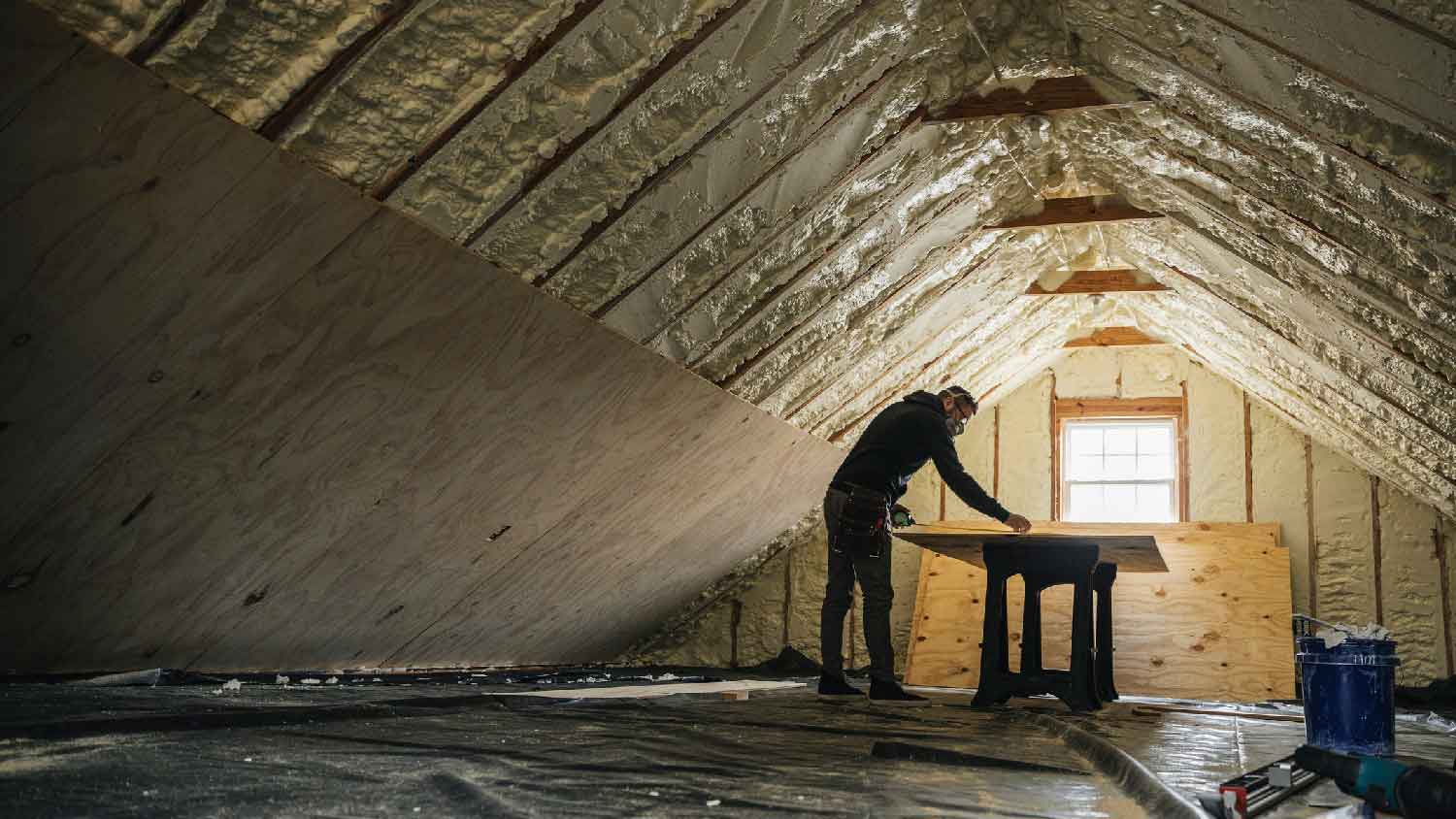
Attic insulation removal costs in Phoenix, AZ, vary based on multiple factors, including why you're removing it and how easy it is to complete the task.
Insulation service costs depend on your project and location. Check with a local pro for your specific job.

Phoenix, AZ homeowners typically spend $1 to $4 per square foot on attic insulation, making square footage the single biggest cost driver.
Final pricing depends on insulation material, whether air sealing is included, and any inspections the job requires.
Factor in an extra $1 to $3 per square foot if old insulation needs to come out first.
A local insulation pro gets the job done right and saves you the headache of doing it yourself.
If your power bill spikes every summer and your home struggles to stay cool, your attic insulation may be failing you. Attic insulation costs in Phoenix, AZ average $2,169, with costs ranging between $1,756 and $2,583.
Few cities test a home's thermal envelope as much as Phoenix, AZ, where triple-digit heat dominates for months, and air conditioners run around the clock. Proper attic insulation is one of the highest-leverage upgrades a homeowner in this city can make, paying dividends in comfort and cash. Read on to see what shapes the final price tag.
Phoenix, AZ’s extreme desert heat forces cooling systems into overdrive, resulting in eye-watering utility bills. Insulation type and attic size drive more than 80% of project costs, while air sealing and inspections (neither of which is always mandatory) cover the remainder.
The amount of insulation you need depends on the size of the attic and the desired insulation level or R-value. You’ll typically match the insulation coverage to the attic size, assuming you’re insulating the entire attic space. Here’s how much you can expect to pay for insulating different attic sizes:
| Attic Size (Square Feet) | Average Cost |
|---|---|
| 300 | $300–$900 |
| 500 | $500–$1,500 |
| 800 | $800–$2,400 |
| 1,000 | $1,000–$3,000 |
| 1,500 | $1,500–$4,550 |
You’ll need to account for the recommended R-value of your climate zone, as well. The higher the desired R-value, which represents the insulation's thermal resistance, the thicker the insulation needs to be. Colder climates generally require higher R-values to provide effective insulation.
To achieve the desired R-value, the insulation may need to be installed in multiple layers or in thicker batts or rolls. The more insulation material required to cover the attic space, the more it will contribute to the initial cost of finishing an attic.
The type of insulation you choose is among the most significant factors affecting cost. Each material has a different R-value, which makes it more or less effective in insulating the space.
Generally, blown-in insulation is the most affordable type of insulation. Meanwhile, the materials and labor required to install rigid foam board insulation make it one of the more expensive options, but it has a higher R-value.
Not every type of insulation works for every attic. For instance, a lot of people love the strength and energy efficiency of structural insulated panels, but due to their relatively large standard sizes, retrofitting them isn’t always possible.
Some types are also better suited to specific climates. Reflective insulation, for example, is less expensive than other common types, but if you live in a cold climate, you'll likely need to combine it with another type of insulation to be effective during the winter. For that reason, reflective insulation is best used as a radiant barrier.
Here’s what you can expect to pay for different insulation materials.
| Attic Insulation Type | Average Cost Per Square Foot | Best Use |
|---|---|---|
| Batt | $2 to $4 | DIY installation and standard-sized attics |
| Blown-In | $1 to $4 | Filling irregular spaces and insulating existing attics |
| Loose Fill | $2 to $5 | Large, open attic spaces and cooler climates |
| Reflective | $0.50 to $2 | Hot climates or attics with limited insulation space |
| Rigid Board | $2 to $5 | High R-value and reducing moisture |
| Spray Foam | $2 to $5 | Sealing gaps and attics with complex shapes |
| Structural Insulated Panels | $4 to $7 | Achieving strong insulation in new attics |
New insulation can sometimes be added right on top of old insulation, but only if the old insulation is still in good condition. If the old insulation isn't in great shape, then you'll need to pay someone to remove it or remove it yourself. Hiring an insulator to remove it typically costs $1 to $3 per square foot, so you'll want to factor that price into your project budget if needed.
Air sealing involves removing all of your attic's insulation to find and resolve any air leaks. Many pro insulators air seal attics before installing new insulation, but this process can be costly, ranging from $300 to $2,100. Even though it's expensive, it's often worth it since air sealing can prolong the lifespan of your insulation while helping to block out moisture and drafts.
Air sealing is beneficial in any area of the home, but it’s particularly helpful in the attic for keeping your heating bills down in colder weather. Hot air rises and will naturally escape through gaps in the attic, and sealing helps keep the heat inside.
The cost of an attic insulation inspection can vary depending on several factors, including the region, the complexity and accessibility of the attic, and the service provider. On average, you can expect to pay anywhere from $100 to $500 for a professional attic insulation inspection. However, it's important to note that these are general estimates, and the actual cost may differ.
Some insulation contractors may offer free attic inspections as a promotional or introductory offer, while others may charge a fee that can be applied toward the insulation project if you decide to hire them for the job. It's a good idea to obtain multiple quotes from reputable insulation professionals in your area to get a better understanding of the specific costs involved in an attic insulation inspection.
Before contacting attic insulation pros in Phoenix, AZ, it's worth understanding local labor rates. Most contractors charge between $50 and $150 per hour, with simpler jobs in newer construction landing at the low end. Older Phoenix, AZ, homes with cramped spaces, nonstandard framing, or hard-to-reach areas will push costs toward the top of that range.
The city rarely requires permits for attic insulation work, which keeps overall project costs down. When old insulation removal is on the table, confirm upfront whether your contractor charges hourly or offers a flat rate for that portion of the job.
Attic insulation delivers two distinct financial benefits for Phoenix, AZ, homeowners: a near-term rise in property value and meaningful reductions in monthly energy costs. A 2% increase in home value is common after the project, a figure that translates to real money in the city’s active real estate market.
Over time, the utility savings tend to be the bigger story. Running an AC system through an Arizona summer is one of the most expensive things a homeowner can do, and solid attic insulation cuts that burden substantially. Most households see energy costs fall anywhere from 10% to 50% through improved temperature regulation, making this a project that genuinely earns back its cost.
According to the EPA, homeowners can save significantly on monthly heating and cooling bills by installing insulation in their attics, floors, and crawl spaces.

To help homeowners plan their next project, Angi provides readers with carefully researched cost data and upholds strict editorial standards. We start with national average project costs, which we collect by analyzing competitor information, retailer material costs, and input from professional contractors. We then apply local price index data to calculate location-specific estimates that reflect what homeowners typically pay in their local area. To do that, we use data from the U.S. Bureau of Economic Analysis (BEA), including its Regional Price Parities (RPPs), which measure price differences across cities. This helps us account for differences in labor, materials, and overall cost of living, so estimates in higher- or lower-cost areas better reflect real-world local pricing.
Every estimate undergoes a thorough editorial review to verify accuracy, consistency, and alignment with observed market conditions.
Want to help us improve our cost data? Send us a recent project quote to [email protected]. Quotes and personal information will not be shared publicly.
I couldn’t be more pleased. I know how messy skim coating and sanding walls to remove texture is, Carlos took every precaution to keep the mess or disruption from the rest of my home. He is very efficient and easily worked into my schedule as I had to work in stages with different...
 Wall-2-Wall Drywall LLC
Energy Choice Insulation are a great company with which to work. They were quick to respond and had great communication throughout the project. Justin is very professional and involved me in the process. The company handled everything, including installation and removal. They made the process...
 Energy Choice Insulation
Family-owned firm who charges a reasonable price and does a good job. I was down to almost no insulation at all in parts of my attic in a house originally built in 1956 and remodeled by others in 2016. Very pleased with MYF.
 M Y F Contracting
Zach responded very quickly. He gave us an extremely reasonable quote. He was available to do the job quickly. He blew foam insulation on the ceiling and walls of our garage. It looks great and the garage was noticeably cooler when he was done. He helped us move things out of the garage...
 Wild West Insulation
Wayne was professional to work with and showed up on time to give me an estimate. His estimate was very competitive and they did a great job. I will definitely use My Insulation Guy for all my upcoming projects.
 My Insulation Guy
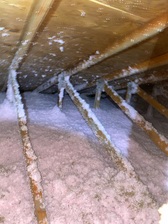
I am so grateful Green Faith Solutions is the company who added insulation to my house. Their professionalism was top notch: they arrived on time, all were very kind, and theyâ re extremely passionate about their product. They have special heat rejection insulation and OH MY GOD within...
 Green Faith Attic Solutions
Took a little longer than expected - they encountered a little trouble with method used to deliver the insulation. Please allow extra time if you hire them. Otherwise, they stayed until finished, and the work was well done. Price was reasonable, they were prompt and communicative. We are...
 SOUTHWEST INSEALATORS, L.L.C.
AZ Pride Insulation was professional, courteous & knowledgeable. Brett inspected the attic providing guidance should any repairs be needed prior to the insulation. Great customer service & follow through - I highly recommend AZ Pride Insulation to anyone!!!
 AZ Pride Insulation
We were really disappointed because and we still have the problem you could dust and the dust comes right back and we had clean air filter put in and that would take care of everything everybody was so happy with them but this guy said that's not what that was for he didn't try to sell us...
 Day & Night Air Conditioning Heating & Plumbing
They were prompt in answering my inquiry and flexible when scheduling a quote. I asked for a quote for both kraft-backed fiberglass and recycled blue jean insulation. I'm planning to live with it for a little while à la an unfinished basement so we discussed that and also the environmental...
 Phoenix Insulation
From average costs to expert advice, get all the answers you need to get your job done.
Attic insulation removal costs in Phoenix, AZ, vary based on multiple factors, including why you're removing it and how easy it is to complete the task.
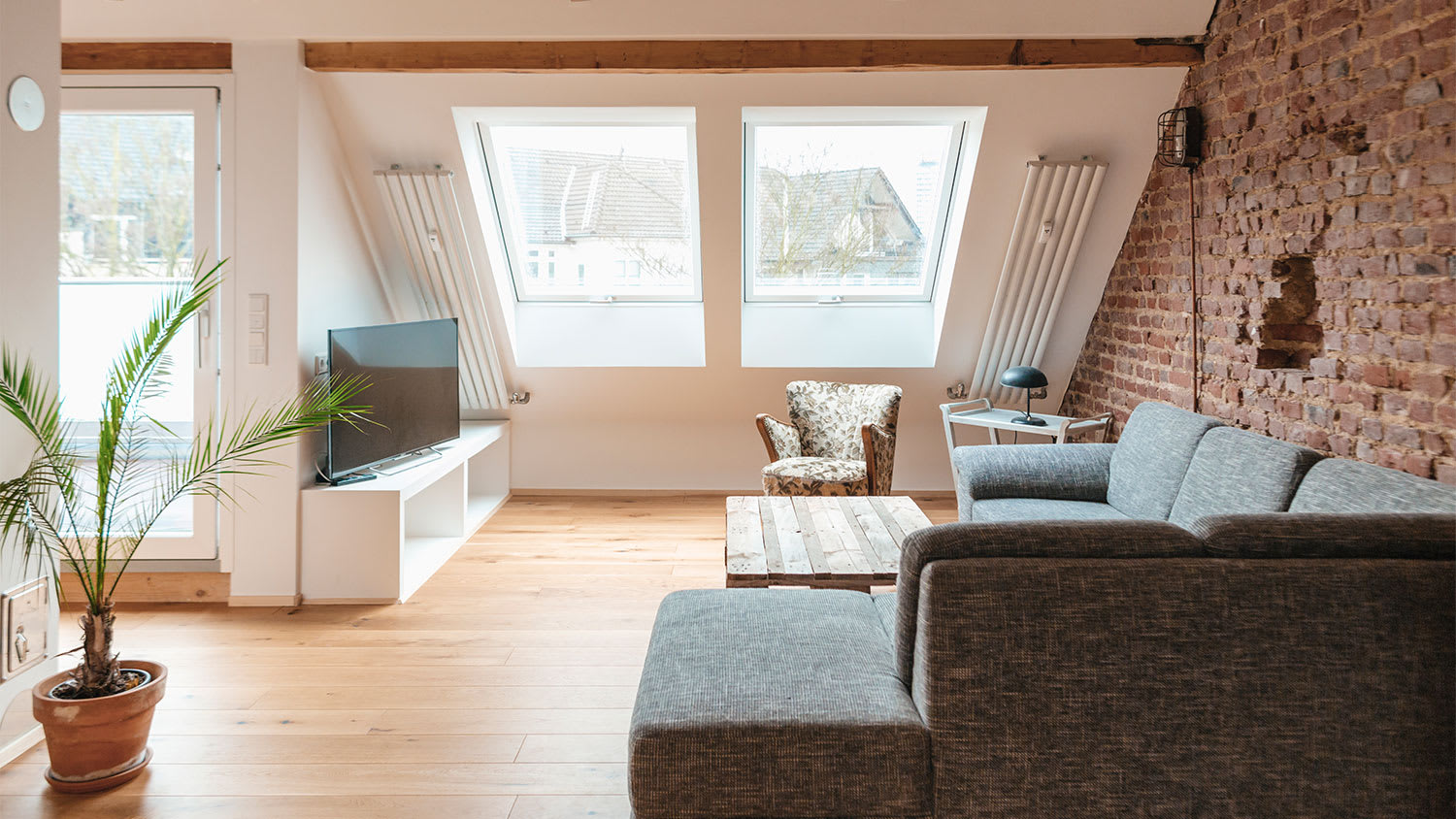
Finishing an attic can make a great addition to your home. This guide breaks down the cost to finish an attic in Phoenix, AZ including labor, materials, and more.
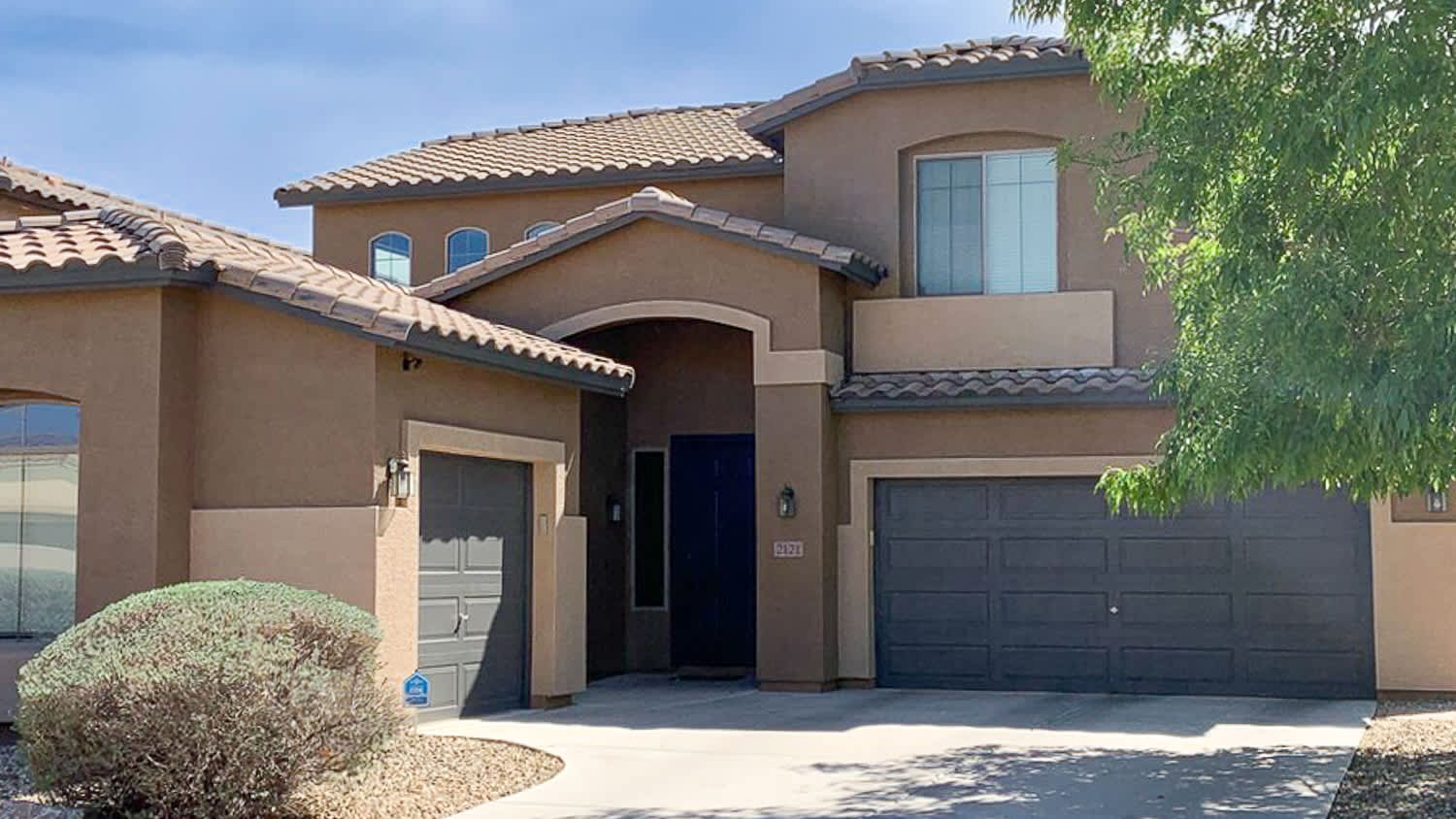
New insulation makes your home more comfortable and boosts energy efficiency. Use this guide to budget for insulation installation costs in Phoenix, AZ.
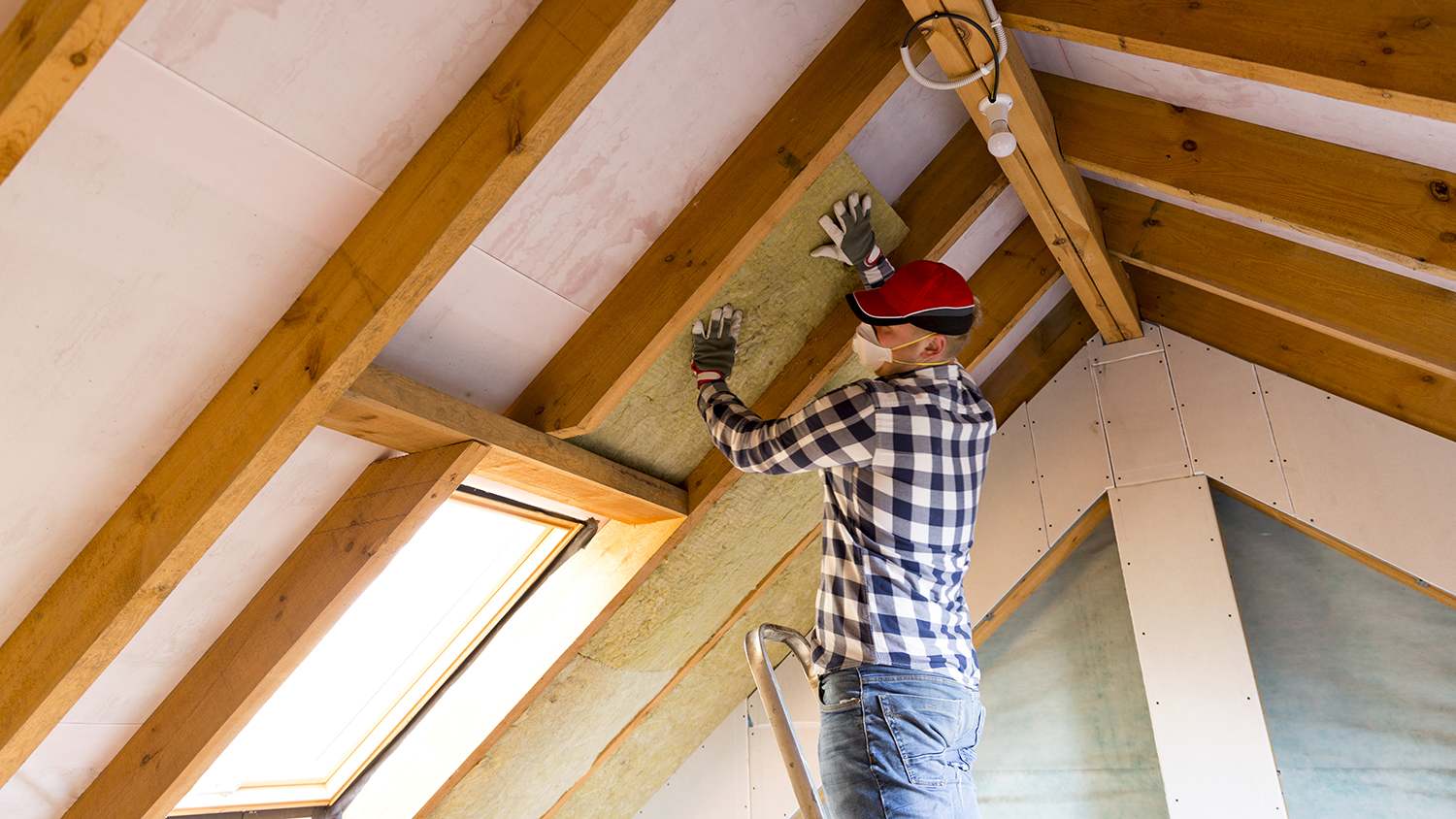
Wondering who to hire for attic insulation? Learn what insulation contractors do, how they work, and how to choose the right pro with confidence.
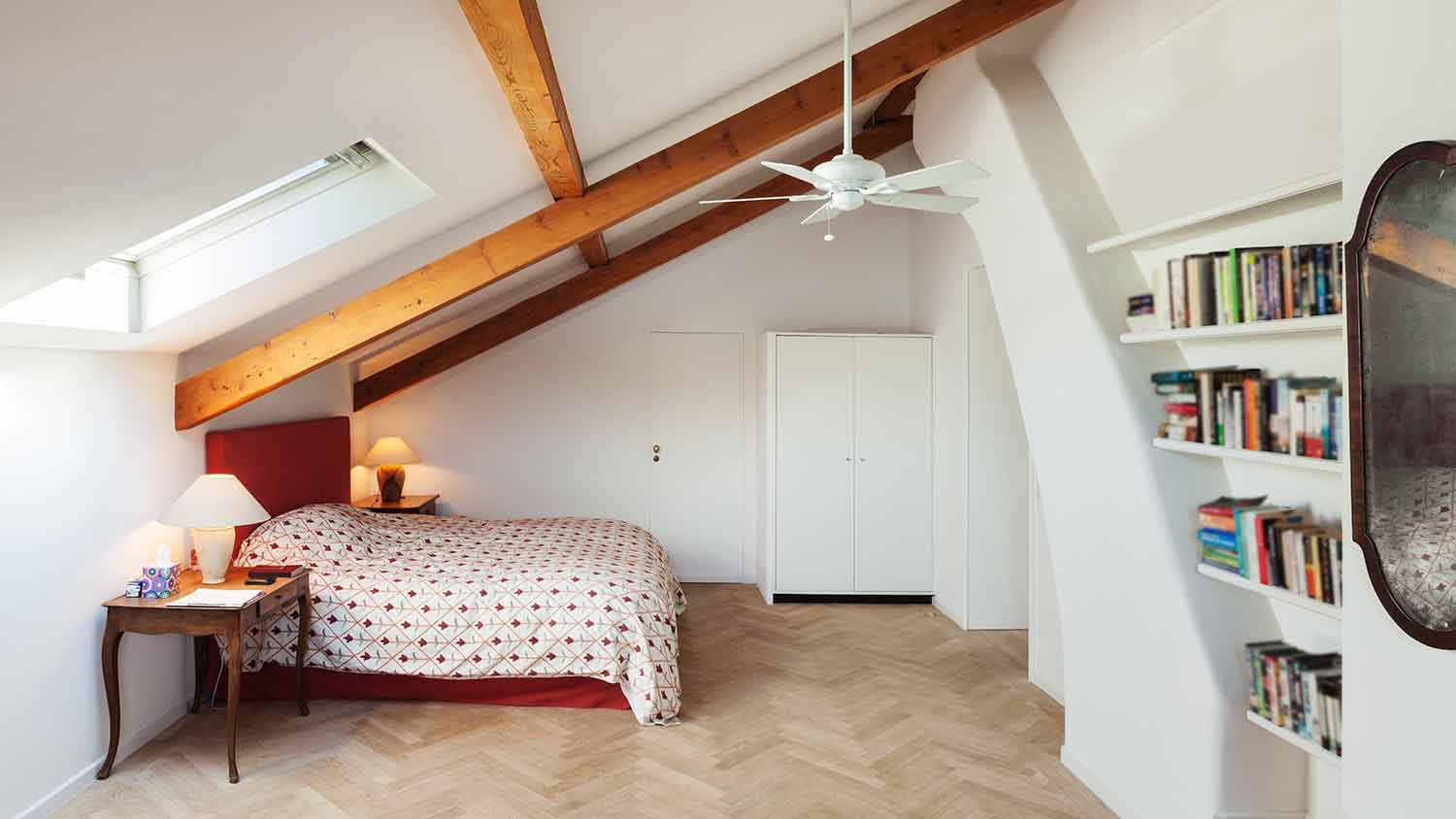
Your home likely loses most of its heat through your attic. This guide on different types of attic insulation can help you boost your home’s efficiency.

This guide breaks down what attic insulation is and its importance in keeping your home the temperature you want. Keep reading to learn more.