"It's a pretty decent system, I think. They send you the pieces and you install them yourself, which is pretty easy. The only real problem I have is that one sensor is too far away from the panel...or there's some interference, and they haven't been able to fix that. It's an interior door, so it's not the end of the world, just a little annoying. Their customer service is pretty good though. Nice, smart customer service people on the other end, very polite and helpful."
"The 2 guys that came over were very friendly but at the same time professional. We never had furniture cleaned but looking now at her couch I will probably need to have my couch done !"
At Virgil Morgan we pride our company on reliability, great communication, integrity, and quality work. We are experts in our trade and will do our best to keep you as educated as we can on your particular task or project. We look forward to earning your business!
Yes, you need to leave your chimney damper open when burning a creosote log so that smoke and other debris doesn’t waft into your house as it’s burning. You’ll need to make sure your damper is fully open, even when the log continues to smoke, until it’s completely out and cold.
The lifespan of a chimney damper depends on several factors, including its material, how often the fireplace is used, and the amount of debris that enters the chimney. With proper maintenance, an average damper can last about 20 years. To ensure it is functioning correctly, it is best to have it professionally inspected. Some experts recommend an annual inspection, while others suggest having a chimney sweep inspect and clean it every two years. A professional can assess the damper's condition and determine if a replacement is necessary.
Installing a fireplace outside could be more affordable, but that depends on several factors. If you’re only considering an outdoor fireplace to save on installation costs, you may be surprised once you start receiving quotes. On average, an outdoor fireplace costs around $3,000 to install, but the price can vary significantly depending on how ambitious your outdoor design plans are.
Chimneys should either be sealed or waterproofed, which is different from sealing off—closing at both ends—a chimney. Waterproofing and sealing are both crucial steps to take to prevent water damage and the chimney leaking inside the house. While waterproofing is more comprehensive, both help safeguard your chimney, extending its life span and preventing expensive repairs.
Gas-burning fireplaces need servicing to keep them in proper working order. You should call a fireplace pro to inspect and clean your gas-burning fireplace at least once per year or whenever problems arise. Servicing your gas-burning fireplace will help it function properly while also extending its lifespan. It’ll also ensure that your fireplace is operating safely.
The Pinon, AZ homeowners’ guide to fireplace services
From average costs to expert advice, get all the answers you need to get your job done.
Bioethanol fireplaces are a chimney- and vent-free way to enjoy a real-flame fire in your home. Keep reading to find out how much ethanol fireplaces cost.
The average fireplace installation cost is $2,438, but prices vary depending on the type and size of the fireplace. Calculate your costs with our guide.
Did you know fireplaces are a profitable home feature? From cozy indoor retreats to trendy outdoor designs, these fireplace ideas are sure to inspire you.
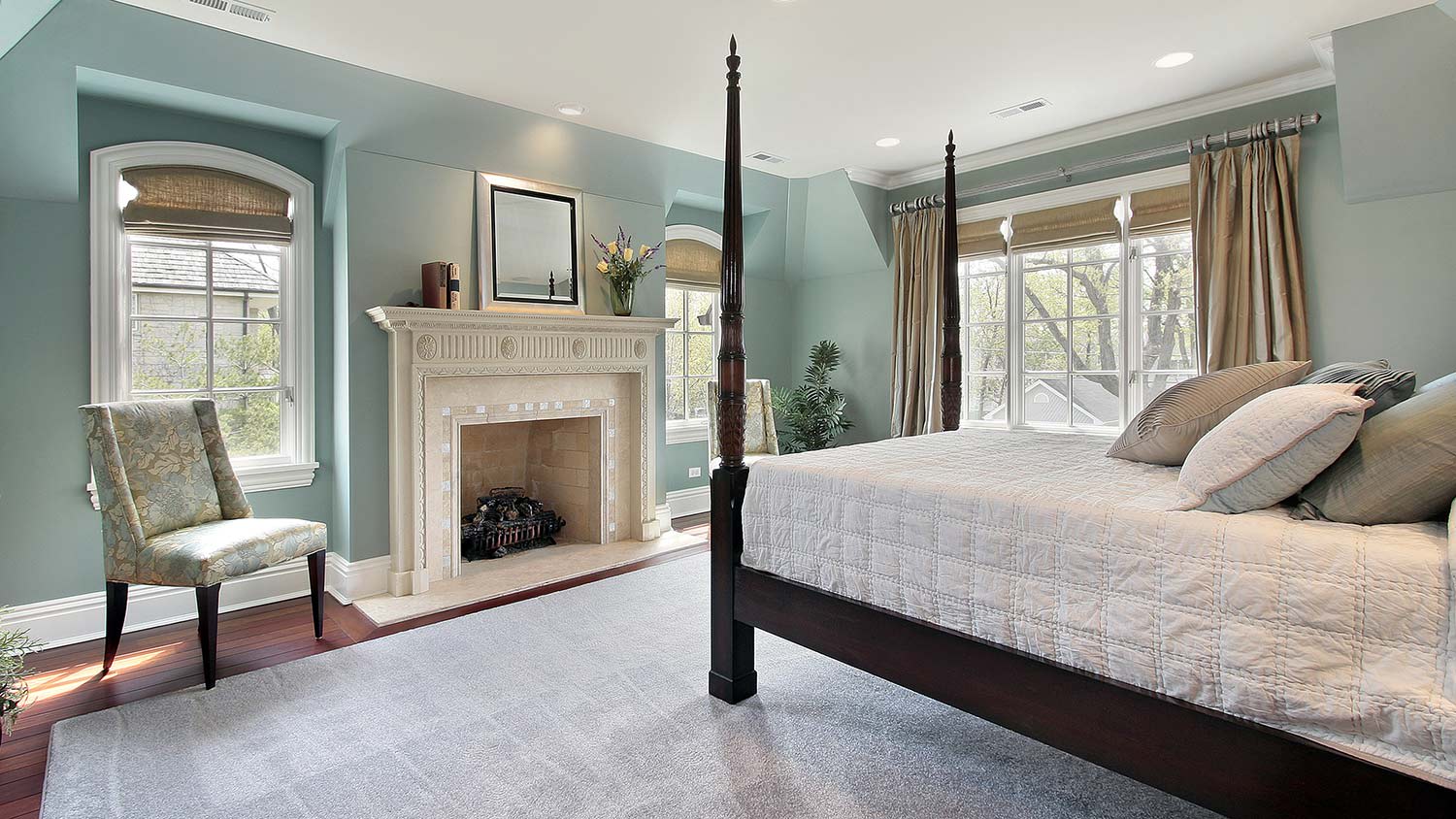
With a few easy decorating tips, you can make your bedroom fireplace the stylish focal point of your room. Up the cozy aesthetic of your bedroom with these 12 ideas.