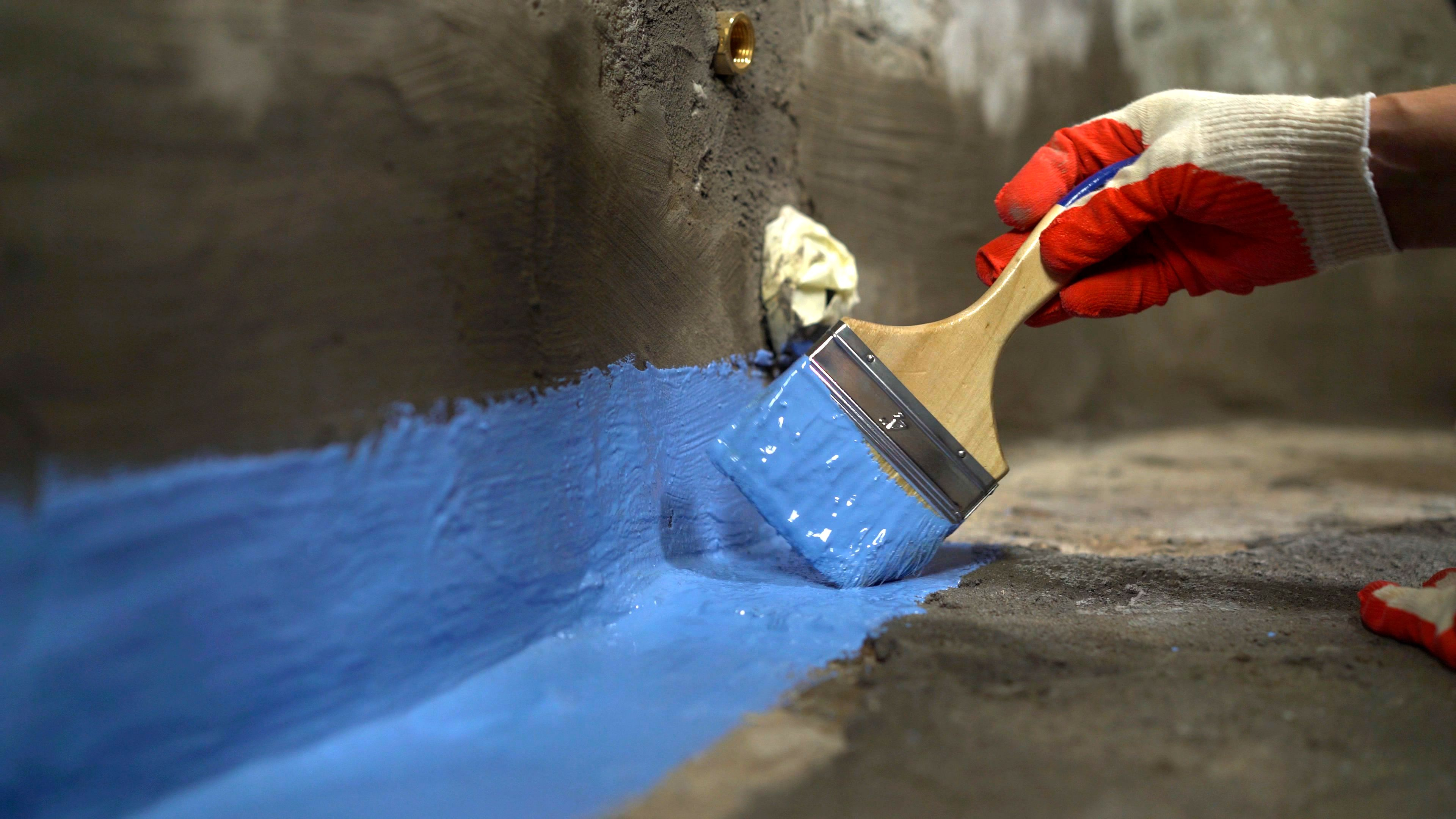





Top-rated basement waterproofing pros.

Best basement waterproofing pros near Springerville, AZ

Enter your zip and get matched with up to 5 pros

Need a pro for your basement waterproofing project in Springerville, AZ?

Select your specific project to find the pro for you.

Top-Rated Basement waterproofing pros in Springerville - Updated Nov 2026

Basement Waterproofing FAQs, answered by experts

A plastic vapor barrier should completely cover your basement to prevent water from penetrating through the walls. This typically goes before installing insulation to prevent moisture from building up and becoming trapped on the inside of your insulation, where it can collect and lead to mold damage. Installing insulation after the vapor barrier allows for any moisture to exit the walls for better ventilation.

Water can seep into porous materials like wood beams, floor joists, and roof rafters within minutes, but they’ll need to see prolonged exposure before you have structural damage. Mold can start growing within 24 hours, and mold can eat away at the structural components over time. Wood rot is more of a concern, though. Wet and dry rot are fungal infections that set in in moist conditions and rapidly deteriorate wood, causing major structural damage within just a few months in some cases.

Sandbags are the most common and efficient way to create a flood barrier at home. Some local authorities pass them around to homes before the risk of a flood. Otherwise, you can use flood-proof house materials, like burlap or woven plastic bags, to make sandbags and fill them with sand or cat litter. Make sure that when you stack them, they’re tightly laid on top of each other, creating the effect of a firm wall against accumulating water.

Below-ground shelters are the best in terms of durability, but there is a risk of flooding and obstruction. Modern technology and rigorous construction requirements make above-ground shelters a better option for accessibility, safety, and, usually, your budget. They may not have the same aesthetic appeal, but many of their features make above-ground shelters a better option. 

It’s not the number of weep holes that should be of concern to builders but rather their spacing. Weep holes are usually spaced anywhere between 16 inches on center when using round tubes or wicking materials and 24 inches on center when using open-head joints. This is a more conservative spacing than the 33-inch maximum spacing on center that’s mentioned in the International Residential Code. All in all, the total number of weep holes a brick exterior should have will depend on the size of the structure.

The Springerville, AZ homeowners’ guide to basement waterproofing services

From average costs to expert advice, get all the answers you need to get your job done.