




Top-rated basement waterproofing pros.

Get matched with top basement waterproofing pros in Blue Water, NM

Enter your zip and get matched with up to 5 pros

Need a pro for your basement waterproofing project in Blue Water, NM?

Select your specific project to find the pro for you.

Find Basement waterproofing pros in Blue Water

Avatar for Groundworks
Groundworks
New to Angi

Serving Blue Water, NM and surrounding areas

Approved (Corporate)

In business since 2017

Free estimates

Warranties offered

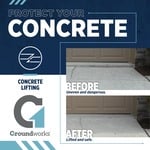
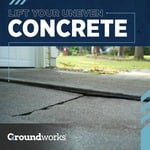
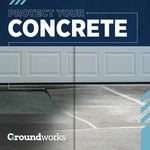
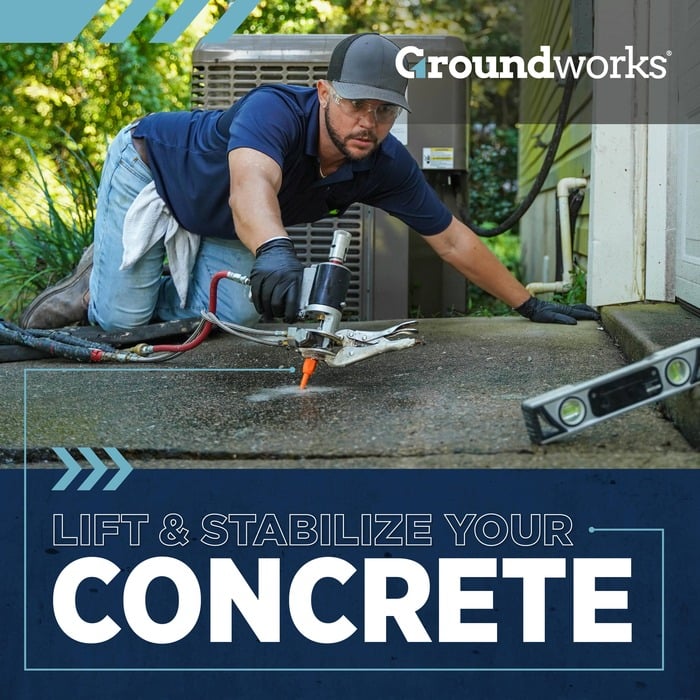
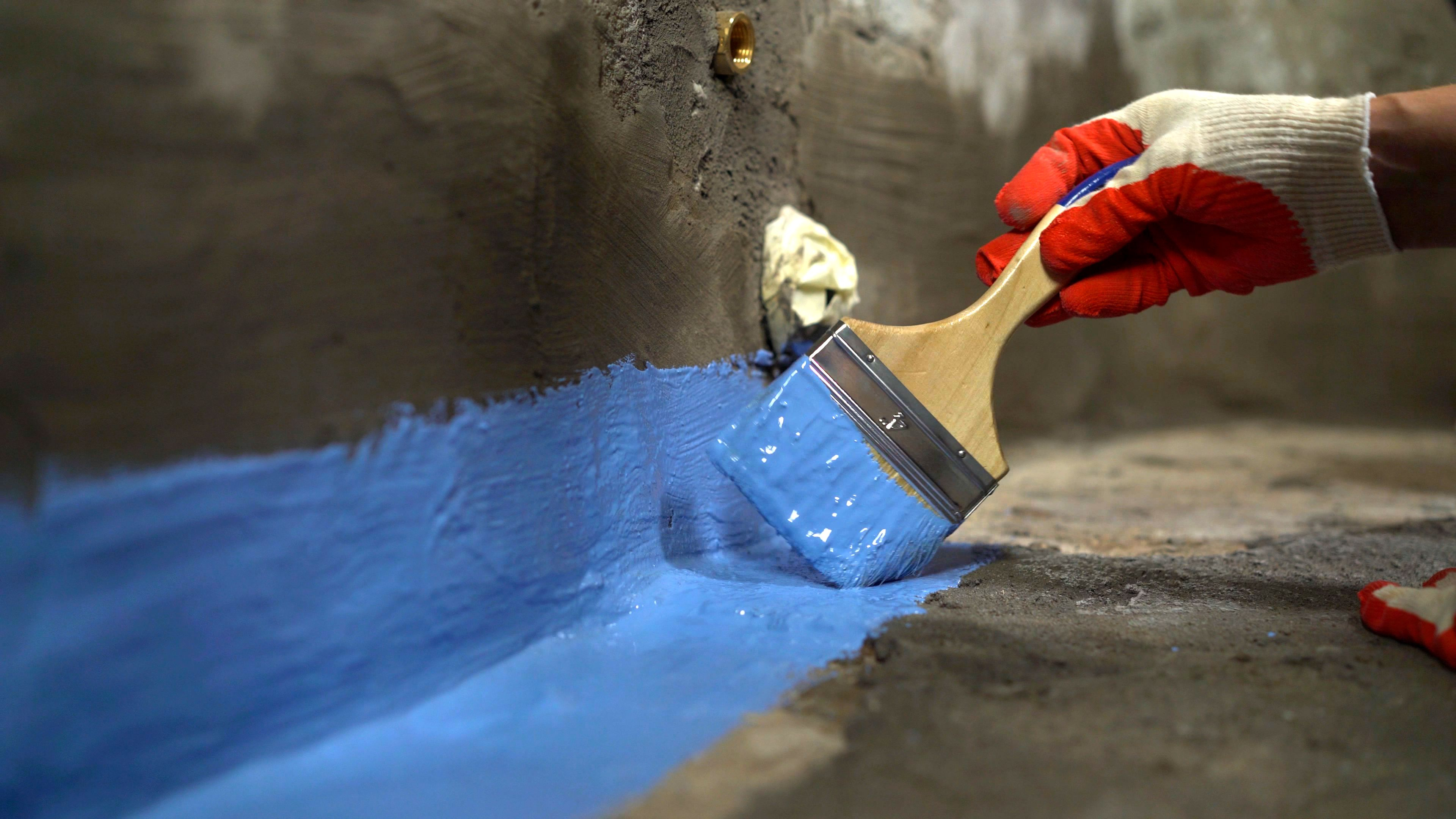
Groundworks is the North America’s leading and fastest-growing foundation repair and water management solutions provider. Groundworks is a vertically integrated company with its own manufacturing operations and a world-class software solution, allowing us to serve our customers more effectively. From the first phone call to the annual maintenance offered, our customers have peace of mind knowing we’re there with one mission – to repair, protect and improve their home.

Concrete
Concrete
Concrete
Concrete
Concrete

+16

13 neighbors recently requested a quote
Avatar for Hampton Enterprise LLC
Hampton Enterprise LLC
3.7(
9
)

Serving Blue Water, NM and surrounding areas

In business since 1989

Free estimates

Emergency services offered

"I only use James when I need some work done to my house. He responds fast, gets the work done quicker than just about anyone else I've ever used and seems very concerned with leaving his customers happy."
Additional Photos
Additional Photos
Recommended by60%of homeowners
Basement Waterproofing questions, answered by experts

Ideal humidity conditions generally range from 30% to 50%, with 45% considered optimal humidity for most homes. If your humidity levels drop below that range, you can turn your dehumidifier off. Additionally, suppose the temperature where the dehumidifier is installed falls below 60 degrees Fahrenheit. In that case, it's best to turn it off and unplug it since cooler temperatures can cause the unit's coils to freeze.

External pressure on the basement wall can cause it to bow inward. Soil, heavy with water saturation, is commonly the main culprit. The soil exerts immense pressure on the wall, causing it to fail, at least partially. This is known as hydrostatic pressure—these situations can occur after rainfall or simply due to regular groundwater presence and may be temporary or more permanent.  

Roughing in and connecting utilities are the hardest parts of finishing a basement, and they’re the parts we typically don’t recommend doing as a DIY project. Unfortunately, your finishing timeline can be extended by weeks while you wait for contractors and inspectors to install electrical wiring, plumbing lines, and heating/cooling equipment and carry out inspections.

Topical sealers adhere to the surface of concrete to create a protective layer. In many cases, this is all you need for concrete that sees light to moderate traffic, such as your basement. Penetrating sealers, on the other hand, bond with the free lime in the top layer of concrete to form calcium silicate, which prevents liquid from passing through. This type of sealer protects the surface from water, oil, and gasoline spills.

A plastic vapor barrier should completely cover your basement to prevent water from penetrating through the walls. This typically goes before installing insulation to prevent moisture from building up and becoming trapped on the inside of your insulation, where it can collect and lead to mold damage. Installing insulation after the vapor barrier allows for any moisture to exit the walls for better ventilation.

The Blue Water, NM homeowners’ guide to basement waterproofing services

From average costs to expert advice, get all the answers you need to get your job done.

What do you need done? We’ll find top pros.
  • 🌱 "Mow a small front yard"
  • 🛠 "Fix a leaking pipe under the sink"
  • 🏠 "Repair shingles on an asphalt roof"