




Top-rated basement waterproofing pros.

Best basement waterproofing pros near Saint Johns, AZ

Enter your zip and get matched with up to 5 pros

Need a pro for your basement waterproofing project in Saint Johns, AZ?

Select your specific project to find the pro for you.

Top-Rated Basement waterproofing pros in Saint Johns - Updated Nov 2026

Basement Waterproofing FAQs, answered by experts

It’s not the number of weep holes that should be of concern to builders but rather their spacing. Weep holes are usually spaced anywhere between 16 inches on center when using round tubes or wicking materials and 24 inches on center when using open-head joints. This is a more conservative spacing than the 33-inch maximum spacing on center that’s mentioned in the International Residential Code. All in all, the total number of weep holes a brick exterior should have will depend on the size of the structure.

Egress windows or doors are required in finished basements to meet safety and building codes. If your basement is unfinished and used as a storage space, egress windows are not required, but anything considered a habitable space must have an additional point of egress in addition to the stairs.

Many prevention methods can be used individually or in combination to waterproof your basement. Some of the most common waterproofing methods include:

  • Using dehumidifiers 

  • Silicate concrete sealers

  • Vapor barriers 

  • Baseboard channels 

  • Drain tile systems

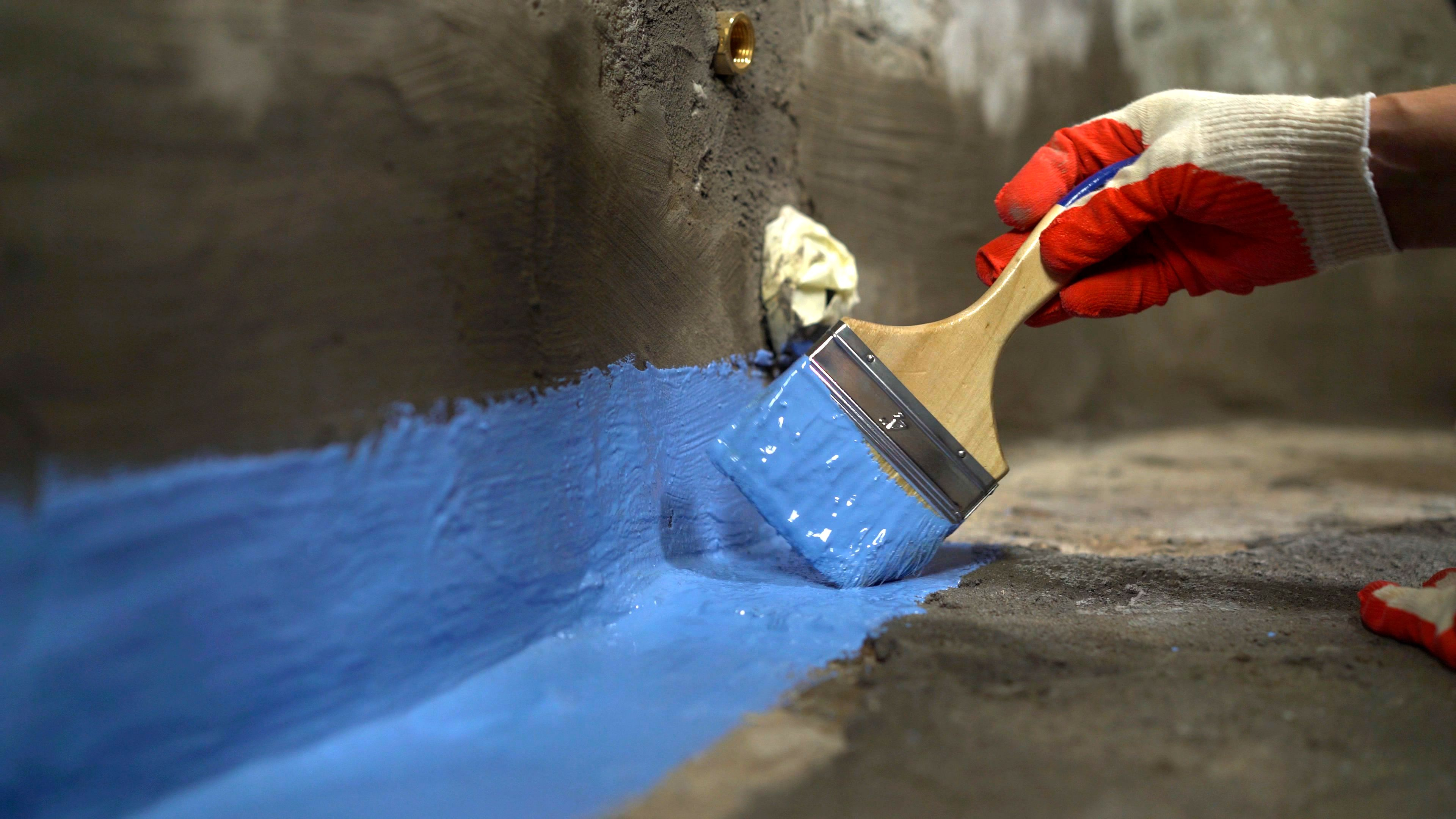
  • Waterproofing paint

  • Drainage systems

  • Epoxy injection

  • Interior French drains

  • Exterior excavation and waterproofing

  • Cement waterproofing

  • Weep tiles

  • Liquid membrane

  • Sheet membrane 

  • Yard grading

  • Gutters and downspouts

The primary reason homes have crawl spaces is so the foundation can reach down below the frost line to avoid dangerous soil movement and structural damage when the ground freezes. They’re more popular in colder climates where the ground freezes down to a few feet, and slabs are most popular in warmer areas where there is no frost line. Crawl spaces also provide a space for utility lines to run where they’re at less of a risk of freezing.

Topical sealers adhere to the surface of concrete to create a protective layer. In many cases, this is all you need for concrete that sees light to moderate traffic, such as your basement. Penetrating sealers, on the other hand, bond with the free lime in the top layer of concrete to form calcium silicate, which prevents liquid from passing through. This type of sealer protects the surface from water, oil, and gasoline spills.

The Saint Johns, AZ homeowners’ guide to basement waterproofing services

From average costs to expert advice, get all the answers you need to get your job done.