



Top-rated electricians.

Get matched with top electricians in Gassville, AR

Enter your zip and get matched with up to 5 pros

Need a pro for your electrical service project in Gassville, AR?

Select your specific project to find the pro for you.

TRUSTED BY GASSVILLE, AR HOMEOWNERS

  • Average homeowner rating star icon4.7
    Average homeowner rating
  • Verified reviews icon67
    Verified electrical services reviews

Find Electricians in Gassville

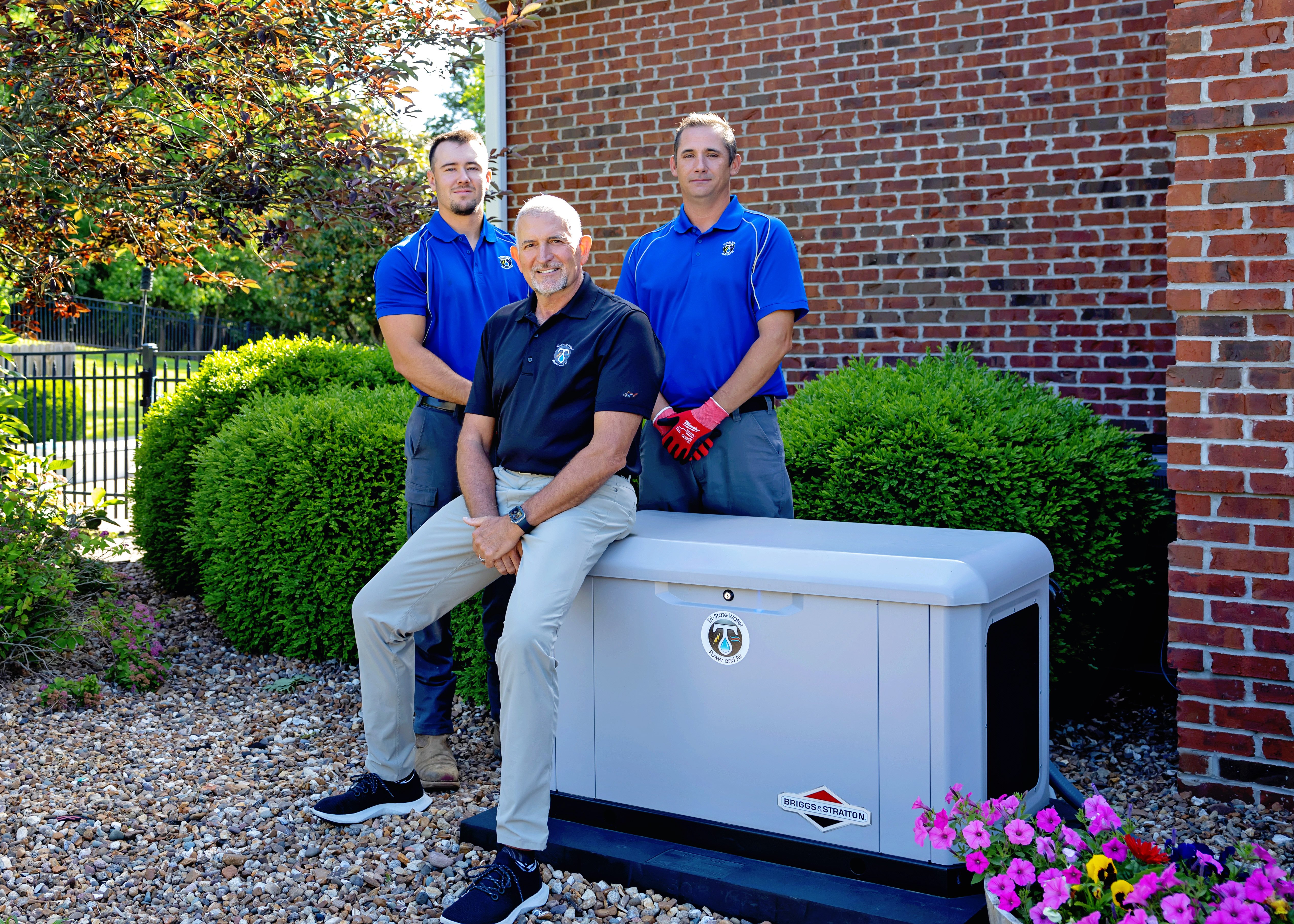
Avatar for Tri-State Water, Power & Air
Tri-State Water, Power & Air
New to Angi
Fixed Generator - InstallGenerator - InstallGenerator - Install - For Business

Serving Gassville, AR and surrounding areas

Approved (Corporate)

In business since 1992

Free estimates

Emergency services offered

We are the experts in the field of Whole Home Standby Generators, with over 20 years of experience in the game. We provide turn-key installation by licensed professionals - 24 hour emergency service - Remote Monitoring - Long term maintenance and service by factory trained technicians. \nYou can trust our team, knowing that we have a Triple-A Rating with the Better Business Bureau and received the BBB Torch Award for Ethics. We look forward to discussing your needs and providing a recommendation and services you can rely on. \n

Response time1 day
Response rate100%
84 neighbors recently requested a quote
Showing 1-10 of 35
Electrical questions, answered by experts

The National Electrical Codebook indicates that there should be at least 6 inches of wiring in the breaker box for connecting purposes. When in doubt, err on the side more, because you can always cut some wire off but you can never add it back on, and if you don’t have enough you may struggle to finish wiring your breaker box properly.

The most common gauge for indoor outlets around your home is 12- and 14-gauge wires. But if you’re working with larger appliances like ovens, washing machines, or dryers (all of which require more amplitude), you might find 10-, eight-, or six-gauge wires to help support those hefty appliances.

For most applications, you won’t need a neutral for 240V. There are certain codes and regulations that differ between areas so just because you technically may not need one in order for the device to function properly, it may still be a local requirement. Professionals in your area know the requirements, which is just another reason to hire one instead of taking on a project that is frankly not very DIY-friendly.

While washers and dryers do not require a GFCI (ground fault circuit interrupter) outlet to function properly, electrical codes often mandate their use for safety. The National Electrical Code (NEC) requires GFCI protection for all outlets within six feet of a water source. This means a washer and dryer must be plugged into a GFCI outlet if they are installed in locations like a laundry room, utility room, garage, or basement. In other areas without a nearby water source, there is no specific requirement, but using a GFCI outlet is still recommended for extra peace of mind. It is always best to consult your local codes and regulations to ensure compliance and safety.

Generators are safe to use as long as they are installed and operated correctly according to the manufacturer's recommendations. The most critical safety tips are to never use a portable or fuel-powered generator inside an enclosed space due to the risk of lethal carbon monoxide poisoning; always operate it outdoors where fumes can dissipate away from your home. Additionally, never attempt to connect a generator to your home’s electrical panel yourself—hire a professional to ensure the setup meets safety standards. Finally, avoid overloading the generator by not connecting more appliances than it is rated for, as this can damage your equipment or cause a fire.

The Gassville, AR homeowners’ guide to electrical services

From average costs to expert advice, get all the answers you need to get your job done.