





Top-rated septic tank pros.

Get matched with top septic tank pros in Stephens, AR

Enter your zip and get matched with up to 5 pros

Need a pro for your septic tank service project in Stephens, AR?

Select your specific project to find the pro for you.

Find Septic tank pros in Stephens

Septic Tanks questions, answered by experts

Depending on local conditions, a deep well may be a better choice than a shallow well. Deeper well depth accesses groundwater that has been naturally filtered through many layers of soil and rock. This reduces surface contaminants and may offer cleaner water, but deep wells cost more money to build and maintain. The water may be harder and have higher radioactivity, too. 

While dry wells can be effective for managing rainwater, they have several disadvantages. They can become clogged with sediment, especially after large storms, which reduces their effectiveness and can be difficult to clean. Dry wells are also not suitable for all soil types; they will not function properly in soil with low permeability. Additionally, if a dry well is not large enough to handle the amount of rainfall in your area, it can overflow. For gravity-flow models, the water may disperse very slowly, depending on the well's depth and the soil's permeability.

Deciding between an engineered septic system and a conventional one depends on property size, soil quality, local regulations, and environmental factors. If your property has limited space, poor soil, or is close to sensitive environmental features, an engineered system may be required. Professional site evaluations, considering water usage, long-term plans, and budget constraints, can help determine the appropriate choice. Consulting with a septic system professional is crucial for ensuring compliance with regulations and selecting the best system for your property's unique needs.

If you’re going away on vacation or leaving your home for a long time, it’s a good idea to switch off your well pump and pressure tank before you go. This way you can prevent any damage from unexpected leaks that may occur or unforeseen electrical issues while you’re away.

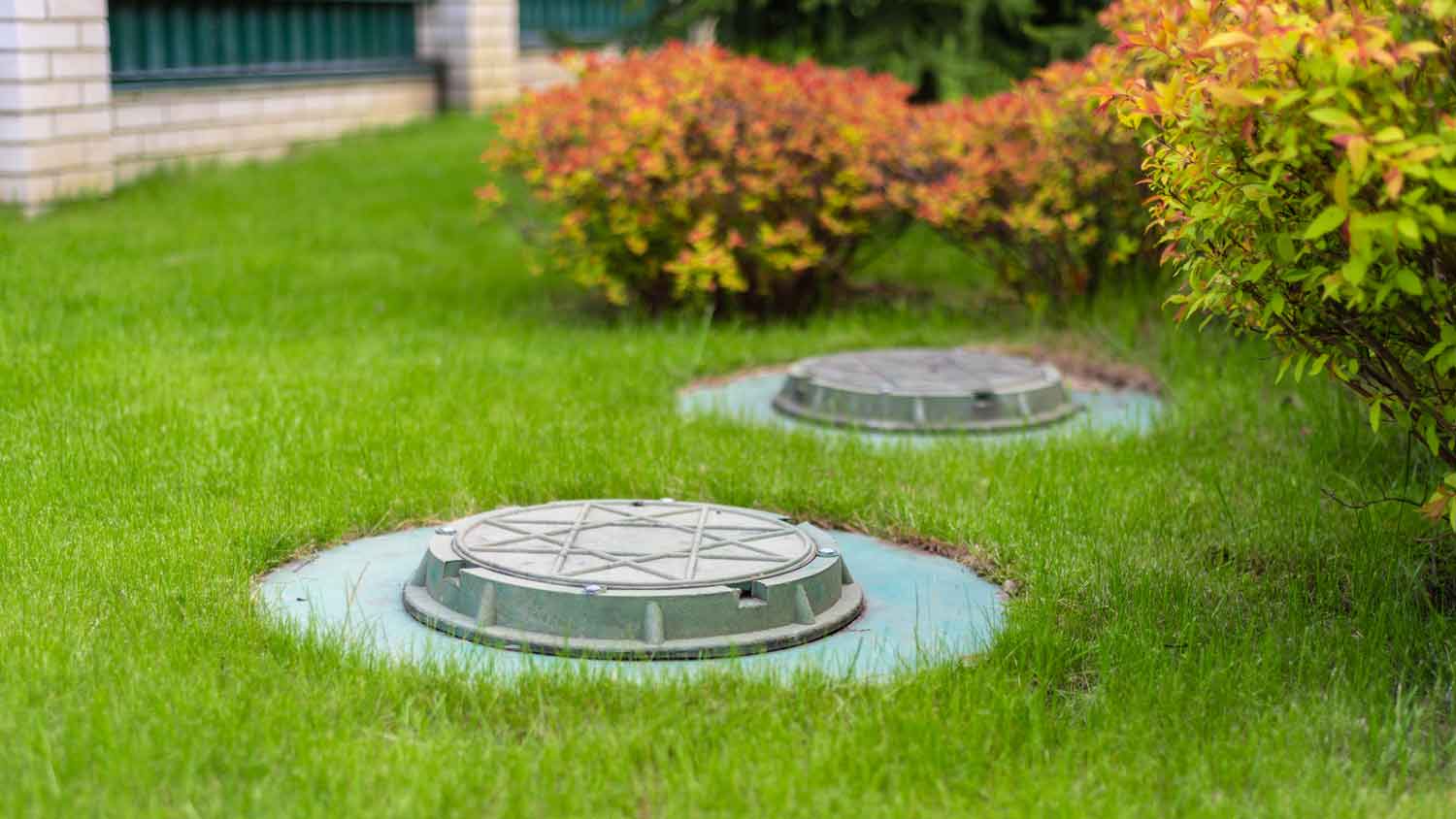
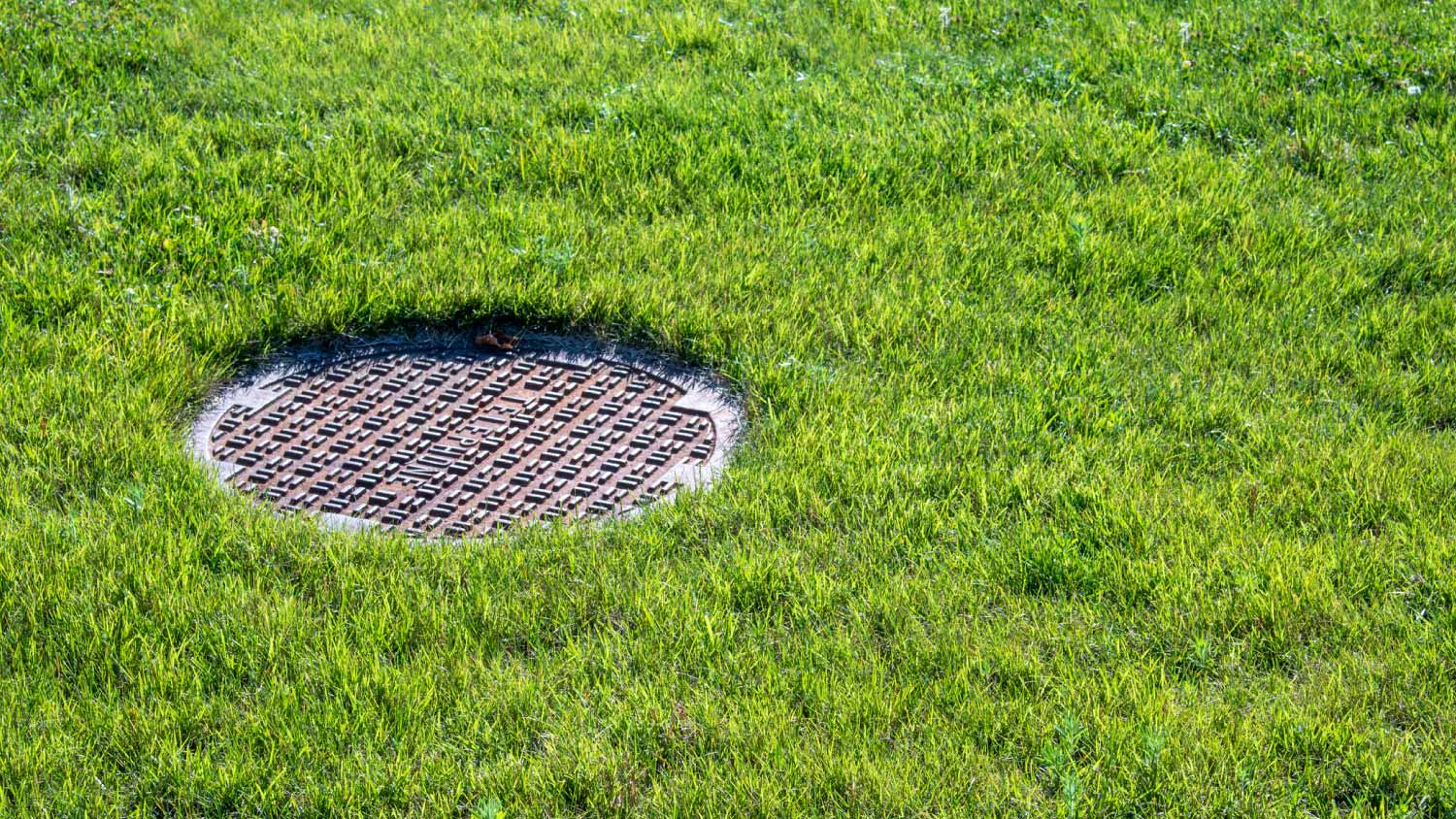
There is no standard depth for burying a septic tank; they are typically buried anywhere from 4 inches to 4 feet underground. The final depth depends on several factors, including the depth of your main sewer line, the height of the bedrock, soil type, local regulations, and the property's landscape. If you plan to grow grass or plants over the tank, a depth of at least 4 to 6 inches is recommended. Deeper tanks can be more difficult to locate, but a septic professional can help find it for you.

The Stephens, AR homeowners’ guide to septic tank services

From average costs to expert advice, get all the answers you need to get your job done.